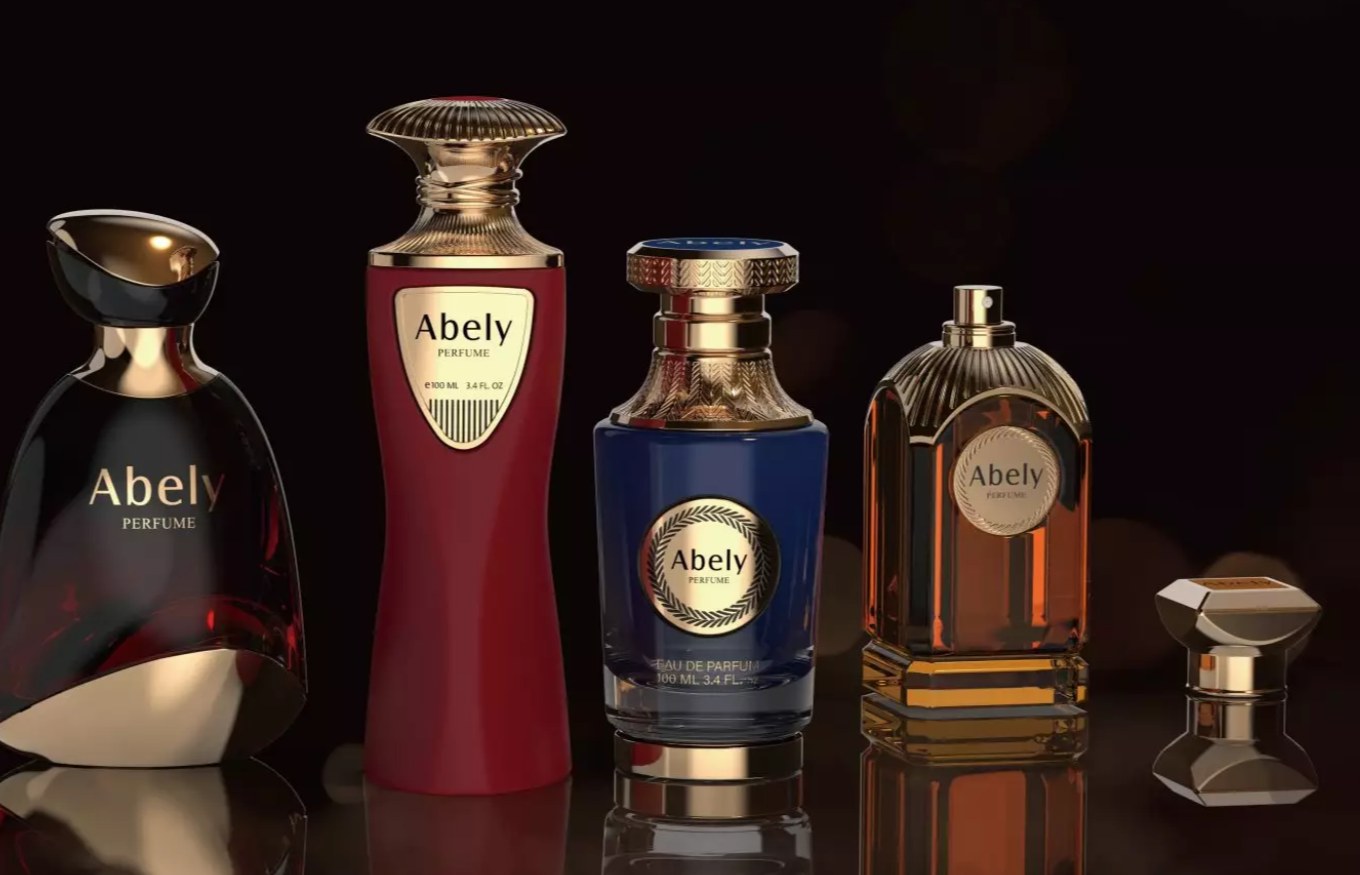
You’ve got a scent ready — now you need a bottle that tells your story. This guide is all about the choices a brand owner actually cares about: look, feel, cost, and logistics. If you’re weighing options, check this 100ml perfume bottle early in your shortlist and compare it to reliable suppliers of 100ml perfume bottles wholesale. Industry hubs like Grasse and Guangzhou still set many standards, so consider local aesthetics and global supply chains when deciding.
Start With Who You’re Talking To
First rule: your bottle must fit your customer. Is your brand luxe, eco-minded, playful, or clinical? Small choices matter — cap weight, glass thickness, and label space change perceived value. Think about retail shelves and unboxing videos. Those are real touchpoints; they shape buying decisions fast.
Material, Finish, and Function — What to Prioritize
Glass is classic. Heavy glass feels premium; frosted glass reads minimalist. Metal or wood caps add tactile signals. Also evaluate: spray mechanism consistency, inner-coating compatibility with parfum concentrations, and refillability options. Prioritize features that match your price point — don’t overspec for a $20 bottle. And test samples before committing — a tiny mismatch can tank perceived quality.
MOQ, Lead Times, and Supply Realities
Many indie brands underestimate minimum order quantities and lead times — especially when ordering custom caps or colored glass. If you’re scaling, you’ll need to plan 60–120 days for manufacturing plus shipping. Want faster turnaround? Choose standard molds or stock colors. — Also, factor in quality checks; a rejected batch can blow timelines and margins.
Design vs. Cost — Finding the Sweet Spot
Custom shapes and gilded finishes look great but cost exponentially more. If your launch budget is tight, start with a solid stock bottle and invest in a standout label, embossing, or cap. Compare per-unit cost at small runs versus wholesale pricing — sometimes a modest design tweak delivers most of the brand impact for a fraction of the custom tooling bill.
Common Mistakes Brands Make
Here are the traps I see most:
– Choosing glass that’s too thin for transport and then dealing with breakage claims.
– Prioritizing appearance over spray performance — look matters until the atomizer stutters.
– Skipping environmental considerations; consumers notice recyclable glass and refill programs.
– Neglecting regulatory compliance in key markets — bottle and cap materials matter for shipping and customs.
Alternatives and Quick Comparisons
Stock vs. custom: stock is cost-effective and faster. Custom is brand-defining but expensive and slow. Single-piece molded caps are cheaper; metal-plated caps look premium but can flake over time. Consider refillable vials for subscription models — smaller upfront cost, more customer lifetime value. Balance aesthetics with practicality; that’s your north star.
Summary: What Actually Matters
Choose a 100ml bottle that aligns with your customer, matches your price tier, and fits your timeline. Prioritize a reliable atomizer, robust glass thickness, and a cap that complements your brand story. Run physical samples and check production lead times before signing contracts. Real-world hubs like Grasse influence trends, but manufacturing realities in Guangzhou often determine lead times and cost — keep both in view.
Three Golden Rules for Choosing Bottles (Advisory Finale)
1) Test a full production sample before bulk buy — check spray, fit, and finish. 2) Match MOQ and lead time to your cash flow and launch calendar — don’t overcommit. 3) Optimize brand impact: spend where tactile quality is noticed (cap, weight, spray), save where it isn’t (internal molding, excess plating).
In short: pick smart, plan timelines, and invest in the tactile bits that sell. Abely. — final thought.