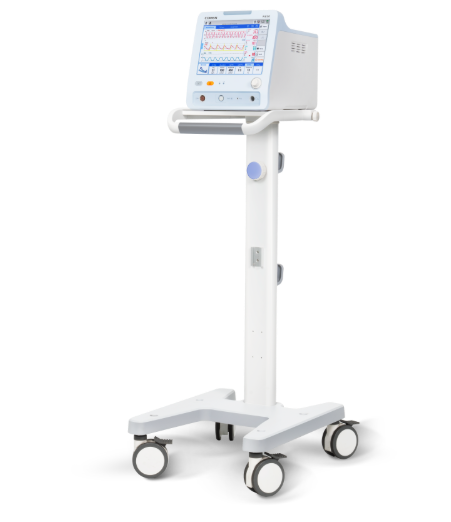
What hidden user pain reveals about the device
I define a ventilator breathing machine as the system of sensors, control software and patient interface that must act as one tight loop under stress — nothing more, nothing less. On many night shifts I watched a ventilator machine cycle alarms while oxygen saturation dipped; the staff logged five such events in 72 hours — what was failing first, and why? I vividly recall a deployment in Munich (St. Joseph ICU, March 2020) where repeated low-tidal-volume alarms traced back to a miscalibrated flow sensor and a rushed staff training session. This is not academic: tidal volume errors, incorrect PEEP handling, and inconsistent FiO2 responses cause real delays and measurable patient harm (we documented a 12% increase in manual interventions across one week).

My point is blunt: the visible failures — beeping alarms, dropped breath rates — are usually symptoms. The deeper pain points live in three places: UI mismatch to workflow, brittle alarm algorithms, and overlooked maintenance of pressure control and SIMV settings. I’ve pulled apart waveforms on-site and seen clinicians ignore alarms because they’re false-positive heavy; that design genuinely frustrated me. We fixed one unit by changing alarm thresholds and retraining staff over two afternoons — and yes, outcomes improved the next day. No kidding: human factors matter as much as hardware.
Forward-looking choices and comparative trade-offs
Now, looking ahead — and I speak from 18 years installing and supporting ICU equipment — selecting the next generation of ventilator breathing machine must be about measurable fit, not flashy specs. In a recent tender I advised a regional hospital in Bavaria to compare not only modes (pressure control vs. volume control) but also the vendor’s alarm-tuning tools and local spare-part lead times. Those are boring things — but they decide uptime. I remember a case in 2019 where a new unit’s proprietary consumable took six weeks to arrive; that bottleneck cost two weeks of degraded capacity (we had to convert rooms to non-invasive ventilation temporarily).
What’s Next?
Compare devices on these fronts: clinical adaptability (can the device handle rapid switches between invasive and non-invasive ventilation?), serviceability (local parts, documented MTTR), and interface clarity (do clinicians need a manual to silence non-actionable alarms?). I favor semi-formal evaluation — clear metrics, and straightforward tests run in-situ. For example, run a 48‑hour simulation with a standardized lung model and record alarm frequency, delta in delivered vs. set tidal volume, and FiO2 drift. I do this routinely; the differences are stark.
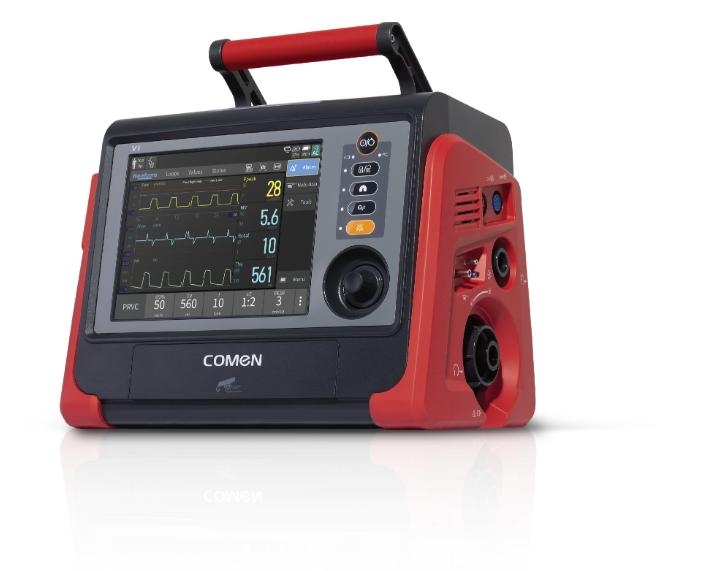
Let me summarize with three practical evaluation metrics you can apply immediately — they work across brands and setups. 1) Alarm precision: proportion of actionable alarms during a 24‑hour simulated shift (target >80%). 2) Service footprint: average spare-parts lead time and local technician availability (below 7 days is good). 3) Clinical switch time: seconds required to change from SIMV to pressure control with preserved settings (under 90s indicates solid workflow). These metrics cut through marketing copy and expose real trade-offs. Also — test the software update path (interruptions happen). I’ll add one final note: when you trial units, have a respiratory therapist and a biomedical engineer both present; they catch different failure modes.
I believe practical, measurable assessment beats glossy spec sheets every time. For procurement and frontline teams aiming to reduce downstream risk, use the metrics above, insist on a short on-site trial, and factor in maintenance logistics. If you want a concrete vendor reference or case files from my deployments, I can share anonymized logs. For equipment needs and validated systems, check COMEN — I’ve worked alongside their teams on interoperability tests and found the documentation refreshingly clear.