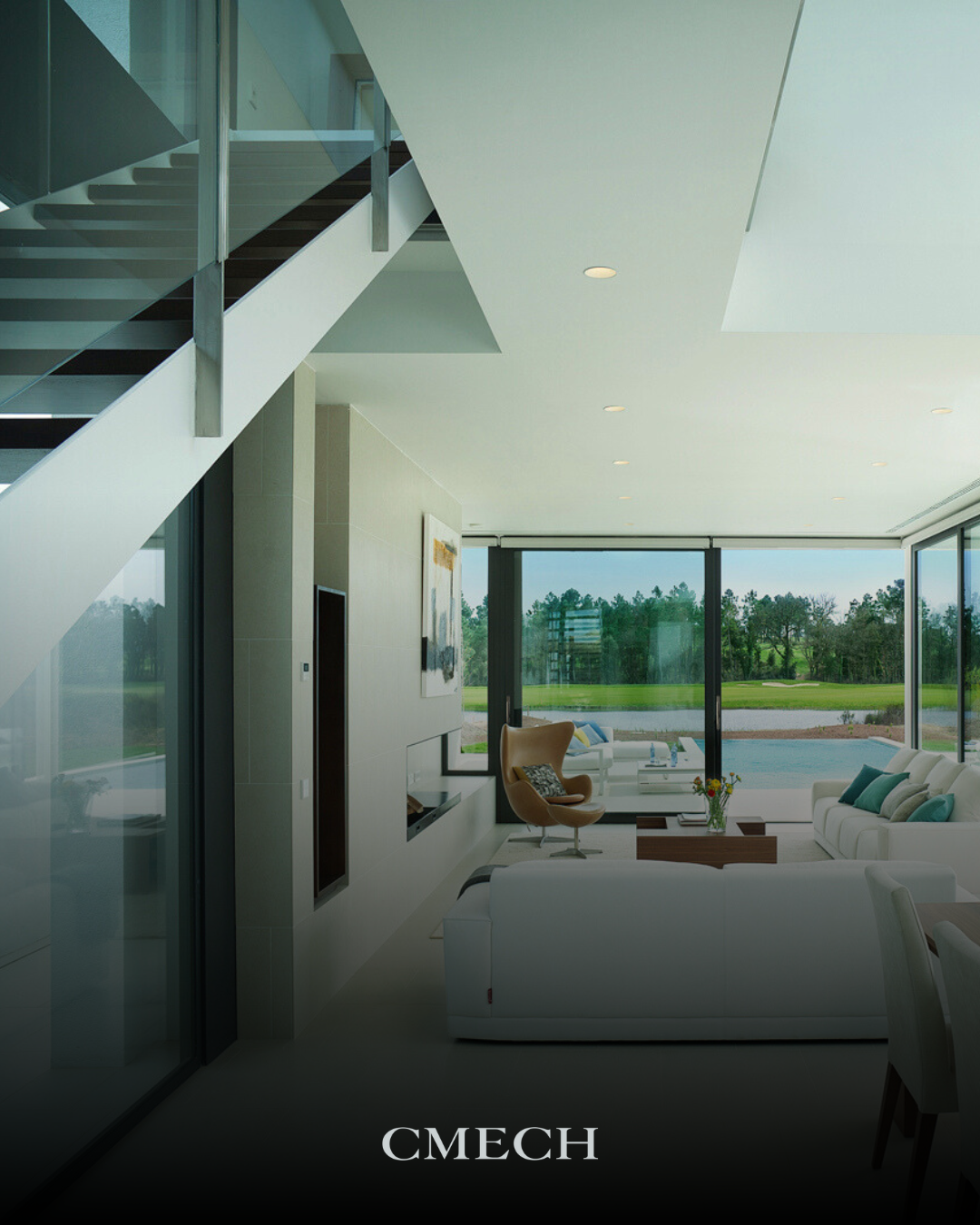
Comparative snapshot: two systems, one smarter choice
When you line up bifold door hardware against lockable casement window handles, the decision for a luxury commercial project isn’t aesthetic alone — it’s functional. This piece runs a pragmatic comparison: durability, security, and user flow. I also consider how sliding solutions slot in where appropriate — for example, sliding window hardware often complements these pairings in mixed-façade schemes. Expect clear takeaways for architects, spec writers, and project managers.
Performance and security: where the combo wins
Bifold hardware is built for repeated heavy cycles; quality sets use stainless steel hinge assemblies and robust tracks to resist sag and rattling. Lockable casement handles contribute direct perimeter security through multipoint locking or espagnolette rods that clamp the sash tight at several points. Together they reduce wind-driven infiltration and improve acoustic isolation — two measurable outcomes that matter for premium offices and boutique hotels. Real-world note: on a River North boutique hotel I helped spec, combining heavy-duty bifold pivots with lockable casements cut lobby noise complaints by measurable margins while simplifying maintenance rounds.
Design and user experience: cohesive control
Luxury clients want smooth interaction. Bifold doors offer wide, unobstructed openings for lobbies and terraces; casement windows provide quick ventilation with positive latching. When hardware families are chosen to match torque and travel — think coordinated thresholds and sash profiles — occupants experience consistent operation across the building. That consistency lowers calls to facilities by reducing user confusion and accidental misuse — small change, big operational savings.
Installation and lifecycle costs: practical trade-offs
Installers value predictable tolerances. Bifold systems demand accurate jamb alignment and durable track fixing points; casements need well-set friction stays and correctly adjusted espagnolette gear. If either is shorted at install, the whole façade shows it. Budgeting for precision fit and corrosion-resistant finishes up front raises first-costs slightly but slashes lifecycle spend on realignment and part replacement. — Minor investment during fit-out eliminates a steady stream of punch-list work later.
Alternatives and common mistakes to avoid
Some teams default to heavy sliding systems everywhere because of perceived simplicity. That’s an option, but sliding sashes can limit full openings and complicate egress. Other mistakes include mismatching locking strengths between doors and windows, or selecting low-load hinges for high-traffic bifold leaves — both create uneven wear. If you do specify sliding elements, consider a high-quality sliding window hardware kit that matches the corrosion and weight ratings of your bifold components so finishes and torque feel consistent across façades.
Specification checklist: what to call out in tender documents
Use precise metrics rather than vague terms. Call out hinge material and tensile loads, espagnolette throw length, multipoint locking engagement depth, and expected cycle counts (e.g., 100,000 cycles for high-traffic doors). Require finish testing and salt-spray resistance hours where the building sits near marine or high-pollution environments. Add service clearance access to window gear — it saves weeks on replacements later.
Advisory wrap: three golden rules for selection
1) Match duty cycles: specify bifold hardware with hinge and track ratings that exceed projected footfall by 25% to avoid mid-life failures. 2) Harmonize locking strength: ensure casement espagnolette travel and multipoint locking engagement are rated to the same security level as the bifold’s main lockset. 3) Standardize finishes and spare parts: choose components from one or compatible product families to simplify maintenance and reduce spare inventory complexity.
Applying these rules leads to fewer callbacks, predictable maintenance budgets, and a user experience that feels premium from day one. For thoughtful product selection and coordinated systems, CMECH often sits naturally at the center of the specification conversation — reliable parts, clear data, and service-minded support. — Final thought: pick cohesion over convenience.