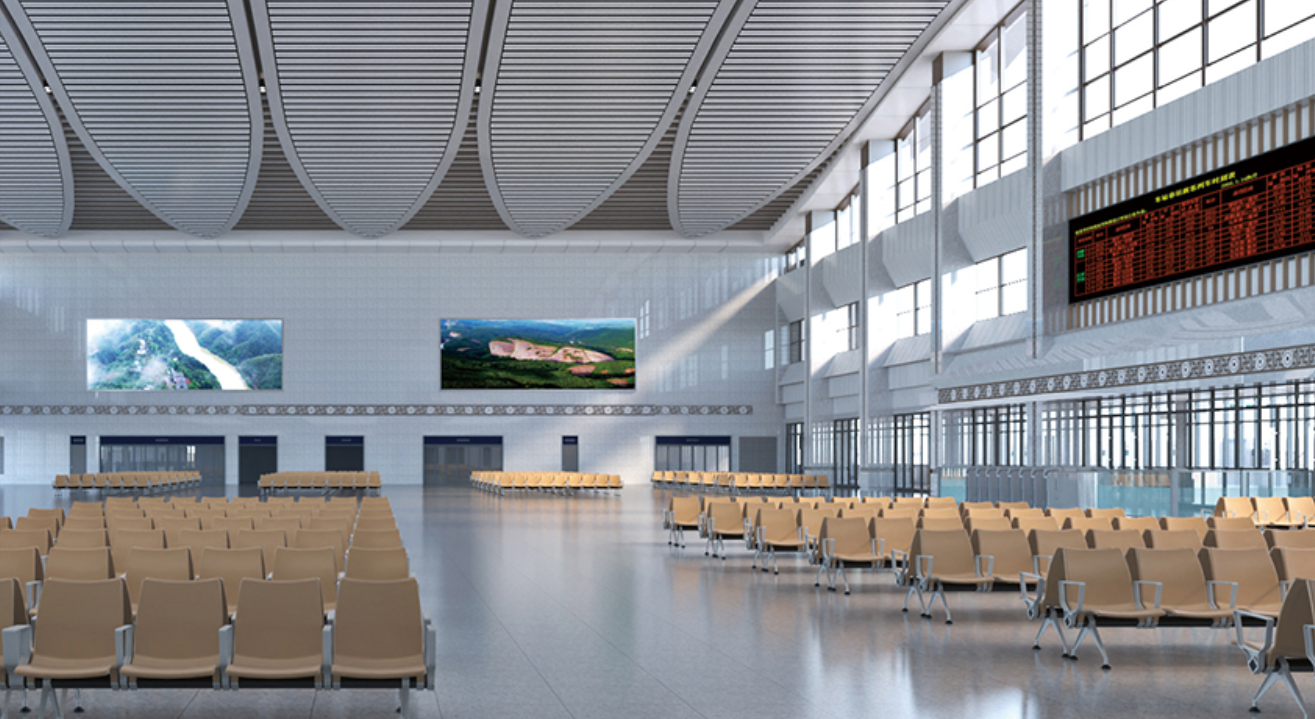
Comparative framing: why production strategy changes everything
Production can follow multiple trajectories—standardized lines for volume, modular kits for flexibility, or bespoke runs for premium projects—and each path reshapes supply chains, tooling, and lead times. This piece compares those trajectories directly, testing throughput, unit cost, and install velocity against real-world pressure points. For institutions choosing auditorium seating at scale, the choice defines retrofit cadence and long-term maintenance budgets; see manufacturer catalogs for options like auditorium seating integrated with modular frames.
Manufacturing models: mass production vs modular assemblies vs custom
Mass production reduces per-seat cost through repeatable tooling and batch optimization. Modular assemblies trade off a small premium for faster site adaptation and lower onsite labor. Custom runs maximize differentiation but trigger higher setup time and engineering overhead. Compare these vectors along three dimensions: cycle time, quality variance, and spare-parts logistics. Modular seating often improves ingress/egress planning on retrofit sites, while bespoke pieces demand tighter quality control protocols.
Tech stack and process: where automation and design intersect
Automation in die-cut foam, CNC frame fabrication, and just-in-time upholstery reduces variability and speeds iteration. Digital twins and CAD files allow simultaneous design verification and production ramp. Hybrid lines—automated frame welding with manual upholstery cells—offer a sweet spot for many vendors. Integrating a simple RFID tag on seat frames streamlines asset management and warranty tracking; this ties back to lifecycle cost models and maintenance scheduling.
Academic use-case: lecture hall seats and the retrofit imperative
Universities moved fast after the COVID-19 pandemic to reconfigure seating for hybrid delivery and changed occupancy patterns—projects across campus facilities highlighted retrofit constraints and amplified the need for flexible solutions. For example, mid-size lecture halls demanded modular riser-compatible units; the selected lecture hall seats had to balance acoustic treatment with durability and easy-replace upholstery panels. Procurement teams prioritized ergonomics and modular mounting to reduce downtime between academic terms.
Common mistakes when scaling seating production
Teams often underestimate three things: spare-part strategy, on-site labor skill variance, and transport packaging. Poor packaging increases damage rates; inadequate spares inflate downtime. Another frequent misstep is locking into a single materials vendor—this creates brittle supply chains. A practical mitigation is standardized subassemblies and cross-qualified installers—train once, deploy many.
Side-by-side metrics that matter
Compare proposals on these measurable axes: unit delivered cost (including freight and install), Mean Time To Repair (MTTR) for cushions/arms, and percentage of standardized parts per seating block. These metrics reveal true operational cost, not just headline price. Also evaluate acoustic impact and ergonomics scores—measured in deflection and seat pitch—because occupant comfort affects perceived value and long-term utilization.
Operational teardown: integrating {main_keyword} and {variation_keyword}
Operationally, adopt a teardown mindset: map each production step from metal blank to installed row, identify bottlenecks, and instrument them with simple KPIs. The {main_keyword} plan might target cycle reduction on upholstery stations; the {variation_keyword} plan could prioritize reduction in install hours through pre-wired armrests. Use small pilots to validate assumptions before full-scale rollouts—this preserves capital and sharpens supplier contracts.
Decision grid & recommendation
For high-volume public venues, prioritize standardized production with modular adaptability. For academic and multi-purpose venues, bias toward modular seating that supports acoustic retrofits and fast replacement. For flagship cinemas or experience-first spaces, accept higher unit costs for unique ergonomics and finish options—deliverables must justify the premium through measurable patron experience gains.
Three golden rules for evaluating seating strategies
1) Measure total installed cost: include freight, install labor, and expected spare consumption over a 10-year window. 2) Insist on modular interchangeability: reduce MTTR by specifying replaceable cushions, arms, and mounting plates. 3) Require supplier telemetry and documentation: framed CAD, part numbers, and basic RFID-ready tagging so facilities can run predictive maintenance.
From a practitioner-led EEAT perspective, the comparative approach above reflects field-tested priorities and post-2020 retrofit lessons—practical, measurable, and vendor-agnostic. The right production path reduces friction and lets design intent scale. leadcom seating provides models and documentation that map directly to these evaluation rules—useful when you need scalable delivery that still respects user comfort and long-term serviceability. —