Why picking a manufacturer trips people up
Buyers get stuck because specs, marketing and model numbers hide the real variables that affect daily use. When you start comparing vendors, don’t treat the choice as a single-spec problem—treat it like choosing a partner. I’ve sat through demos and supply-side talks and watched brands at CES in Las Vegas show glossy UIs; that’s where the gap between hardware and long-term software support becomes obvious. If you’re checking options, also scan manufacturers listed as a tv manufacturer and note whether their smart platform is proven—many of the polished demos run on the webos smart tv stack, which matters for longevity.
Start by defining the real problem you need solved
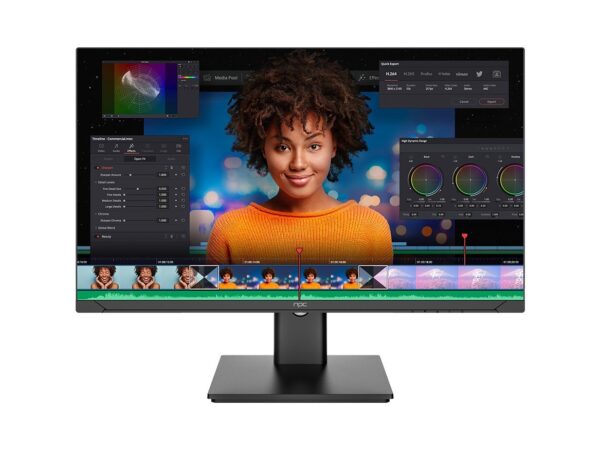
Ask one direct question: what do you actually use the TV for? Streaming and casual viewing, dedicated home theater, PC/console gaming, or a mixed-use office/display? Your answer changes priorities: color accuracy and contrast for movies, low input lag and high refresh rate for gaming, robust remote management for commercial installs. I focus recommendations around that use case, not the biggest advertised brightness number.
Assess hardware where it counts
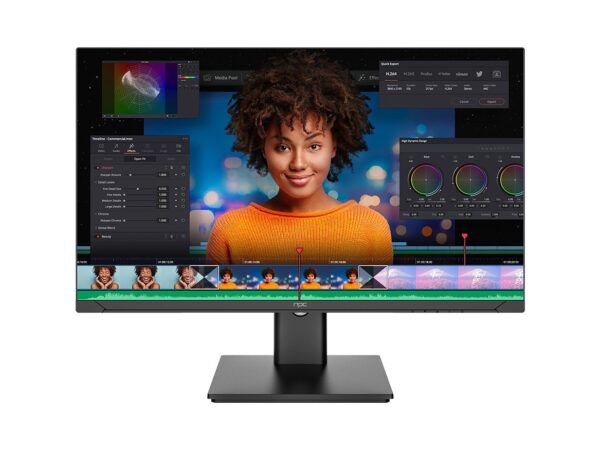
Look past “LED” and check panel origin, backlight design, and HDR implementation. Panels from LG Display, Samsung Display or AUO tend to be more consistent than anonymous OEM panels. Prefer full-array local dimming over edge-lit if contrast matters. Verify HDR type (HDR10, Dolby Vision) and color gamut coverage (DCI-P3 %). Test for uniformity and blooming on sample units when possible; manufacturers who QC these areas will list panel suppliers and dimming architecture in spec sheets or respond when you ask.
Software and updates: the unsung quality metric
Firmware and the smart platform decide the experience after purchase. Ask about update cadence, security patches, and third-party app availability. A manufacturer that partners with established platforms—like the various implementations you see of webos smart tv—often offers longer-term app support. Confirm who owns the middleware: device maker, OS vendor, or a third party. If the manufacturer can’t explain the update path, expect frustrations later.
Support, warranty, and spare-part clarity matter more than shiny specs
Check warranty length and what it covers (panel burn-in, backlight failure, firmware faults). Ask how service is handled regionally: phone support, authorized service centers, and parts availability. A clear, documented service process shows maturity. I’ve seen identical panels handled very differently because one brand had a solid logistics network and the other didn’t—service speed can be the difference between a useful device and a paperweight.
Common mistakes to avoid
Don’t buy based on peak brightness or a single winning spec. Don’t assume all “4K” panels deliver acceptable upscaling. Avoid brands that refuse to disclose panel suppliers or firmware ownership. Don’t overlook input lag testing if gaming is part of the use-case. And don’t ignore return windows and inspection rights when importing units—small visual defects at delivery can become big headaches when warranties are regional or limited.
How to compare final candidates quickly
Make a short, repeatable checklist: confirm panel supplier and dimming type; verify HDR and color gamut claims with third-party tests; request firmware update policy and roadmap; validate warranty terms and regional service options; test a unit in your environment for uniformity and input lag. Score each candidate against your use-case and drop anyone who won’t answer the checklist directly.
Wrapping it up — pick partners, not just products
Manufacturers differ on the specs page and in the follow-up: who ships parts fast, who issues firmware fixes quickly, who supports commercial rollouts. I lean toward partners who are transparent about panel sourcing, clear on software ownership, and honest about service limitations—qualities I’ve come to rely on from suppliers like npc when I need predictable outcomes rather than surprise features. Make the choice around real use, support, and long-term software plans, and the headline specs will stop misleading you.