Why a data-first approach is essential
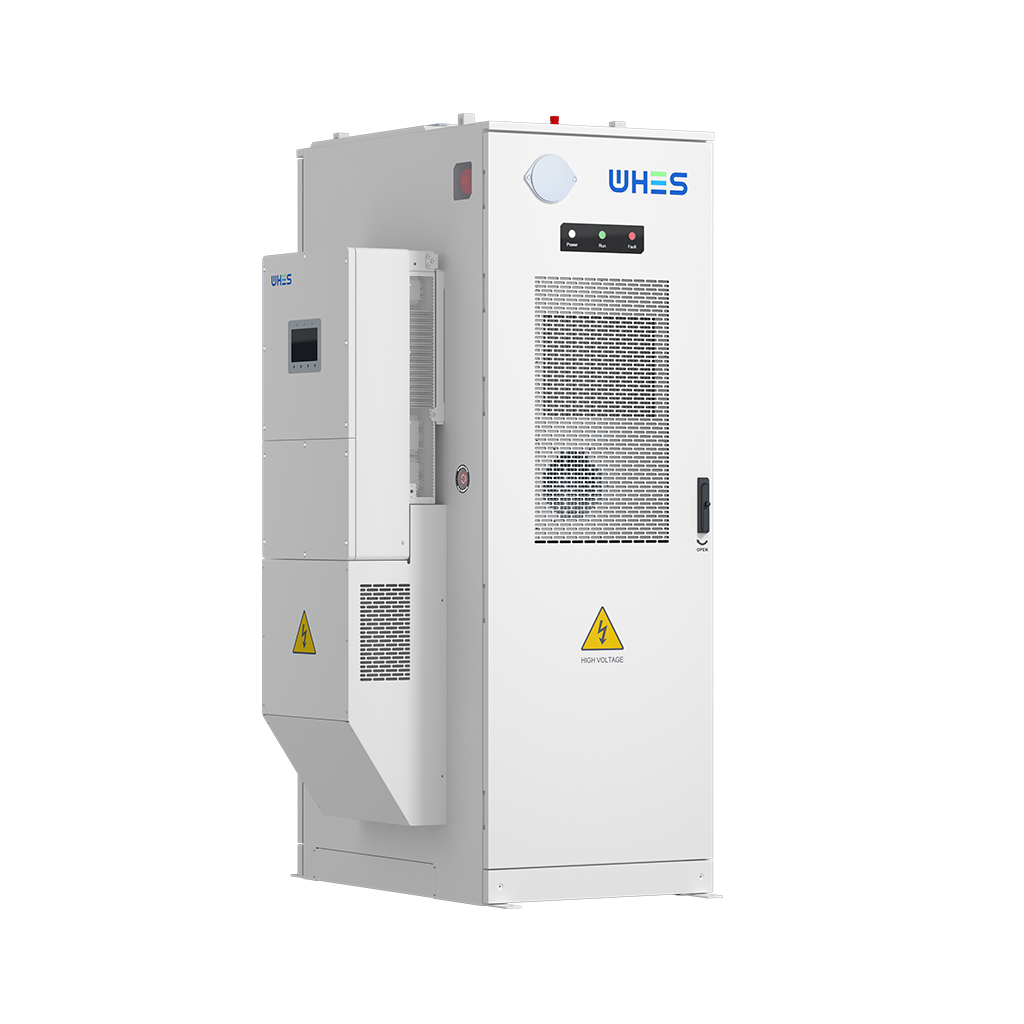
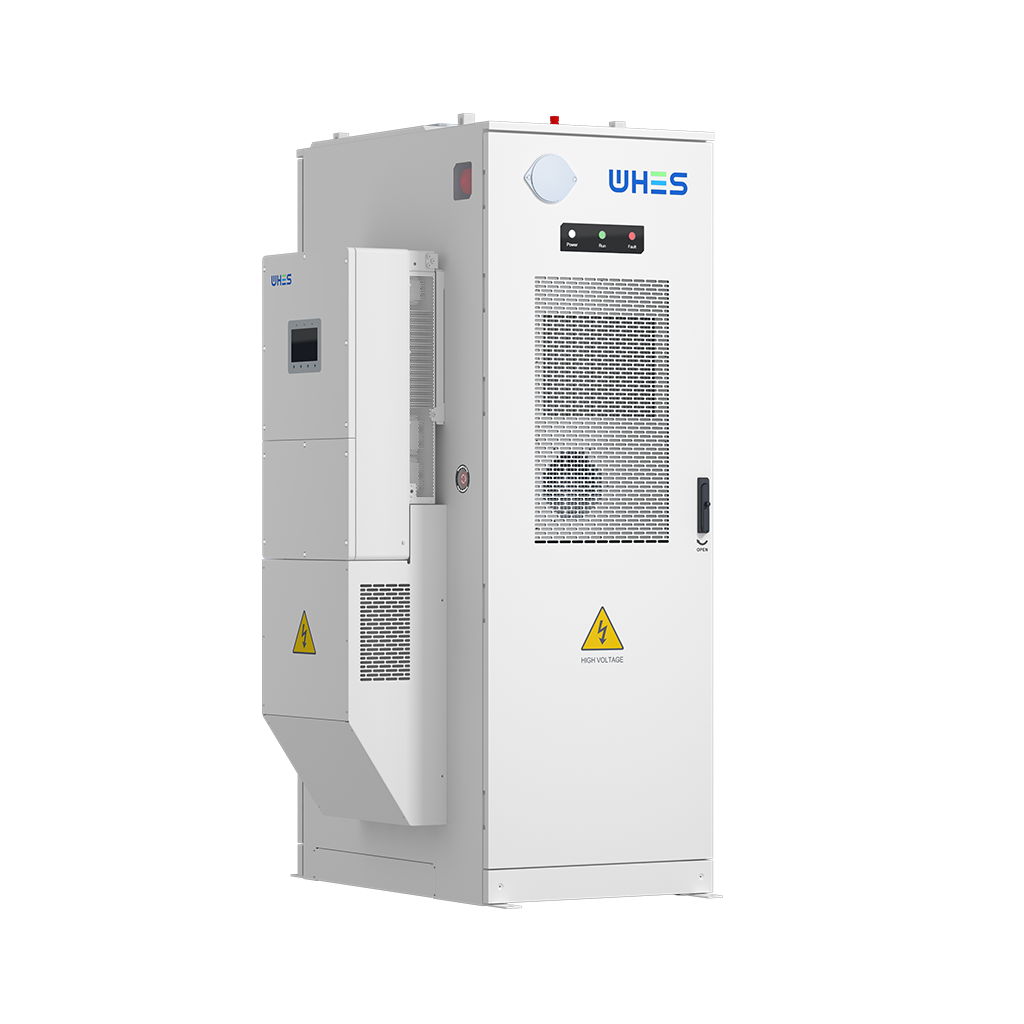
Decision-making must be based on measurable inputs. For companies procuring bulk all‑in‑one systems, a clear inventory of logistics emissions and end‑of‑life recyclability reduces downstream risk. This is especially true for integrated solutions such as solar battery storage, where module, inverter, and enclosure are shipped as one unit and where supply-chain choices create most of the Scope 3 footprint. Data-driven sourcing lets procurement compare vendors objectively on lifecycle impacts, not only on unit price.
Quantifying Scope 3: what to measure
Scope 3 for bulk shipments is largely logistics and upstream manufacturing. Key metrics to collect: ton‑km for sea and road freight, embodied carbon per kWh of installed capacity, and refrigerant or chemical leakage risk during transport. Use life‑cycle assessment (LCA) baselines rather than vendor claims alone. Where possible, request supplier‑verified LCA summaries that separate transport from component production—this clarifies which part of the footprint you can actually reduce through sourcing decisions.
Lifecycle recyclability: material flows and end‑of‑life handling
Material composition determines recyclability. Battery modules typically contain cathode metals, copper, and polymer housings; these require dedicated recovery streams. For system buyers, two practices lower long‑term environmental cost: select modular designs that allow easy battery removal and require suppliers to document recovery pathways for critical metals. Cycle life and chemistry choice influence recyclability as well. When a design supports reuse or remanufacture, total lifecycle impact falls—this is not abstract, it is practical procurement guidance.

Technical metrics that drive procurement decisions
Define objective thresholds before you invite bids. Typical technical terms to include in RFQs are round‑trip efficiency, cycle life, and depth of discharge (DoD). Round‑trip efficiency matters because it affects system throughput and therefore lifetime emissions per delivered kWh. Cycle life indicates how often a battery must be replaced—fewer replacements usually mean lower cumulative embodied carbon. State of charge (SoC) management requirements should also be specified, because operational strategies influence real-world durability and recyclability indirectly.
Real‑world anchor: resilience programs and 50 kW systems
After the public safety power shutoffs (PSPS) in California during 2019–2021, facility owners accelerated adoption of behind‑the‑meter battery systems for resilience. That policy‑driven market change provides a useful reference point: many municipalities evaluated medium‑scale systems in the 25–100 kW range for critical services. A 50 kW configuration is frequently chosen for small hospitals, telecom shelters, or microgrid nodes because it balances capacity and footprint. When assessing vendors, compare their documented installations and failure rates for similar sized systems; real deployments reveal logistics constraints and refurbishment practices that LCAs may miss. For suppliers offering packaged solutions, look for transparent data on module replacement, recycling partners, and transport emissions tied to the specific 50kw battery storage product.
Common procurement mistakes—and how to prevent them
Buyers often focus on unit price and ignore tooling or reverse‑logistics cost. They assume recyclability because a vendor says “recyclable”; they do not verify certified recovery routes. Also, many contracts lack clear acceptance criteria for first article inspection, causing entire shipments to be reworked. Mitigation steps: require supplier LCA extracts, include transport emissions as a contract line item, and mandate third‑party verification for recycling partners. —Be strict on documentation. Insist on sample returns and on‑site compatibility trials before scaling orders.
Comparing alternatives: bespoke vs. modular standard systems
Bespoke all‑in‑one units may offer optimized packaging and slightly lower operational losses, but they complicate material separation at end‑of‑life. Modular standards favor easier component replacement and established recycling streams. From a data standpoint, run scenario models: compare lifetime embodied carbon and total cost of ownership for a bespoke design with a projected 20‑year service life versus a modular approach with scheduled module swaps. Include transport mode variation in the model—sea freight to Europe adds different Scope 3 than short‑haul road delivery within a region.
Three golden rules for sustainable infrastructure sourcing
1) Mandate transparent LCA data: require suppliers to provide verifiable, itemized LCA segments (manufacture, transport, installation, EOL). This enables apples‑to‑apples comparisons. 2) Specify modularity and recovery pathways: prefer designs that allow battery and electronics separation and contractually bind suppliers to certified recyclers. 3) Measure total logistics emissions: include ton‑km and modal splits in procurement scoring, and set targets for emissions reduction across contract lifetime.
Closing advisory and practical next steps
Apply the three golden rules to shortlist vendors, then score each bid by lifecycle emissions per delivered kWh, documented recyclability, and historical installation evidence. For many buyers, this process points to suppliers who balance resilience, cost, and environmental responsibility. In practice, that balance is where WHES offers value through documented data and integrated solutions—WHES. Small details matter.