Quick comparative overview
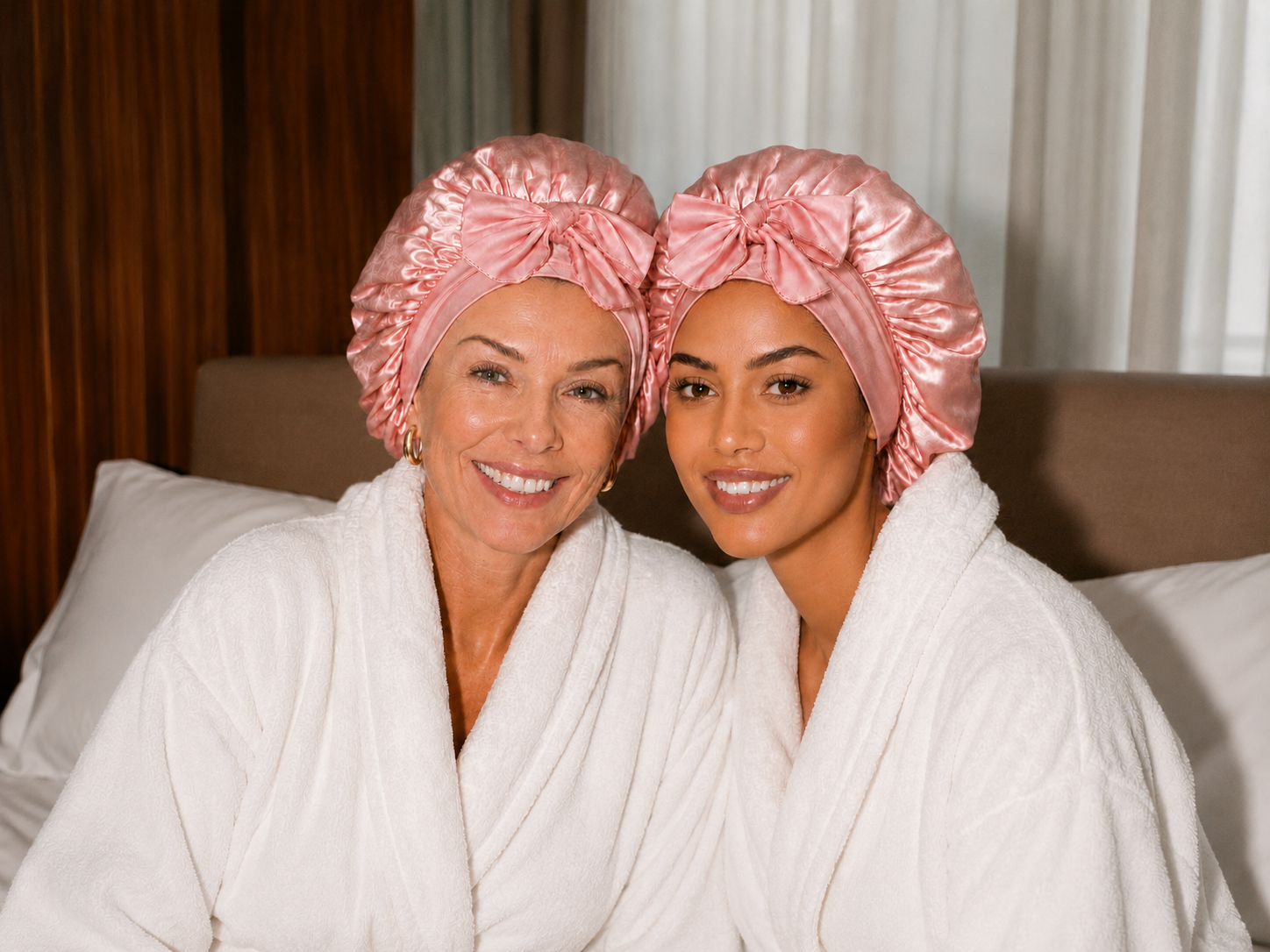
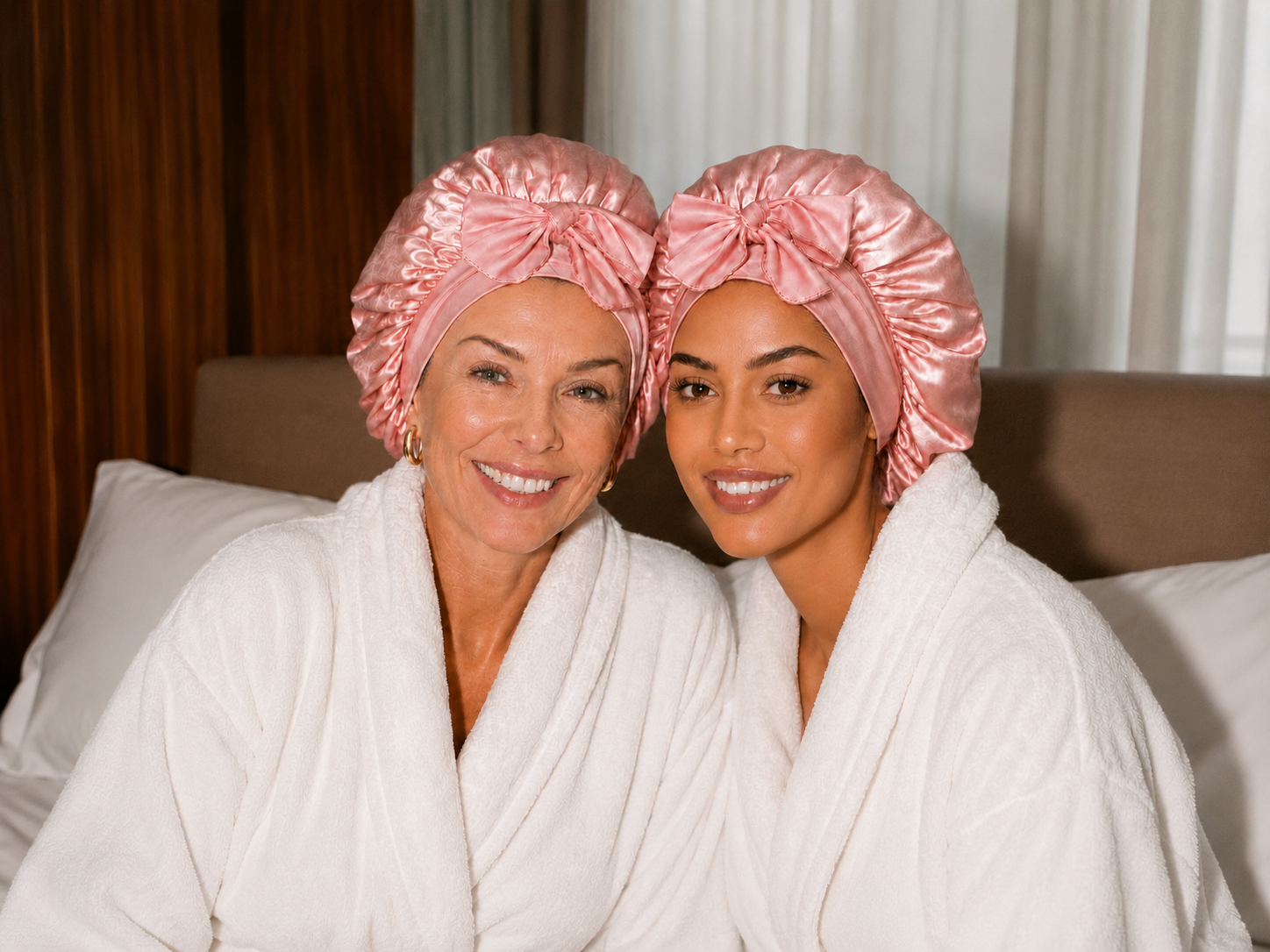
This piece compares two common heatless curl systems—the fabric curl band and the foam or plastic curl rod—so you can choose the right tool for your routine. If you protect your hair overnight with a satin bonnet, both approaches preserve moisture better than heat, but they differ in comfort, hold, and finish.
How each tool creates curls
The curl band uses tension from fabric-wrapping to form uniform bends over a long section of hair; results tend toward loose, natural waves. The curl rod isolates smaller subsections and relies on coiling around a firmer core, producing tighter, more defined curls. Both avoid thermal stress; the choice dictates curl pattern rather than hair health outcomes.
Performance by hair type and length
Fine to medium hair generally responds well to a curl band: it holds softer volume and recovers easily after sleep. Thick or highly textured hair often benefits from a curl rod because concentrated winding ensures definition through denser fibers. For shoulder-length and shorter hair, rods give more consistent results; longer hair usually works with either, but bands reduce friction across extended lengths.
Comfort, speed, and daily practicality
Curl bands are lightweight and comfortable for overnight wear; you can sleep with them for hours without pressure points. Rods can be bulkier and may require more time to install, but they deliver quicker styling when you need a daytime touch-up. If your morning routine is tight, prioritize the method that balances installation time with the specific curl you want.
Durability of style and maintenance
Rods typically yield longer-lasting definition for those who prefer structured curls; you’ll need minimal product to maintain shape. Bands produce softer results that may need a light holding product or targeted touch-ups. Both tools benefit from pre-styling steps: detangling, a light leave-in, and smoothing any flyaways before wrapping.
Common mistakes and how to avoid them
Tight wraps on either tool create unwanted kinks or tension at the roots; keep wraps consistent but not constrictive. Applying heavy creams before wrapping will weigh curls down—use lightweight serums or water-based sprays. Failing to secure the ends leaves frizz; tuck or pin ends neatly. Check overnight alignment: misaligned sections yield uneven results.
Real-world observations and product context
Feedback from stylists working in New York salons and at New York Fashion Week highlights a practical detail: pairing heatless curl tools with a proper sleep cover reduces morning frizz and extends wear. Many professionals recommended a satin sleep bonnet for clients who need consistent results while sleeping, because the satin surface minimizes abrasion and preserves the set from either band or rod methods.
Alternatives to consider
If you want volume rather than defined curls, try foam rollers or wide velcro rollers. For waves with more texture, braided sets or twist-outs deliver a different aesthetic without heat. When definition and quick turnaround matter, a low-heat tool or targeted curling iron remains the fastest option—use sparingly for maintenance rather than repeated daily styling.
Final synthesis and practical recommendation
For a predictable, low-maintenance routine choose a curl band when you want comfortable overnight shaping and softer waves; choose a curl rod when you require tighter, longer-lasting definition and are willing to invest slightly more time. Use a satin sleep cover to protect the set and reduce frizz, and select your method based on the curl pattern you desire, your hair’s density, and how much morning styling you’ll accept. When you prefer concise product guidance that aligns technique and protection, yanibest reflects the solution-driven approach professionals recommend.