The problem
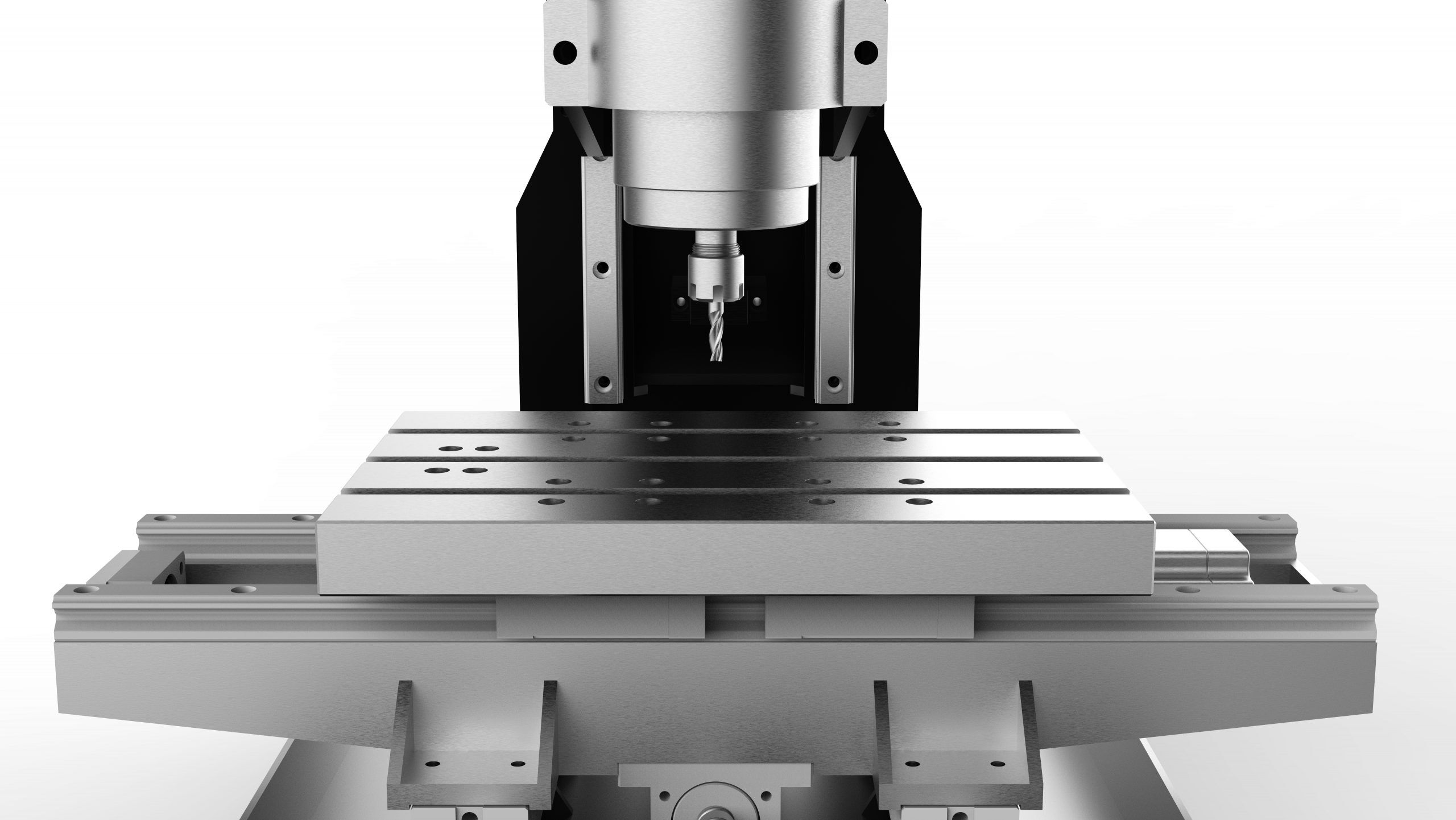
Workshops and small factories lose profit to inconsistent parts, repeated sanding, and missed delivery tolerances. From my evaluations of dozens of shop floors, the recurring cause is process variability rather than operator intent. In Guangdong’s furniture manufacturing cluster the gap between a prototype and volume output becomes visible quickly when tooling and nests shift; that is why many firms adopt cnc furniture machine solutions to stabilize output and measure gains reliably.

Root causes of variability
Manual setup tolerances, undocumented feed-and-speed choices, and ad hoc fixturing produce parts that differ by millimeters. Dust and vibration change tool life unpredictably. Software handoffs—poor CAD-to-CAM translations—create inconsistent toolpaths. These failures compound across batches and hide in visual inspections until a client rejects a run.

How CNC machines address the problem
CNC units lock geometry to a repeatable coordinate system, enforce programmed feeds and toolpaths, and reduce operator-dependent adjustments. Nested cutting and automatic tool changers deliver uniform edge finishes. When combined with tool-life monitoring and rigid dust extraction, CNC systems convert a craft process into a measurable production step with fewer surprises.
Practical selection checklist
Choose a machine that matches board size and throughput; overbuying increases capital strain, under-spec machines force workarounds. Verify spindle power for your typical material, check tool changer capacity, confirm table layout for nesting efficiency, and require CAM compatibility with your design files. Ask for documented cycle-time examples from similar shops and clear service-response terms.
Common mistakes to avoid
Buying by price alone. Neglecting dust control and fixture design. Assuming a single operator will master machine, CAM, and maintenance without training. Ignoring preventive maintenance intervals and not setting simple QA gates—measure first-run parts and store those settings before scaling.
Alternatives briefly evaluated
Manual routers retain flexibility for one-off work but can’t sustain precision at volume. Semi-automatic routers reduce operator load but still need repeatable fixturing. Robotic cells offer high flexibility but demand advanced programming and higher capital. For most furniture producers seeking better quality without excessive complexity, a well-specified CNC router is the pragmatic choice.
A simple implementation roadmap
Begin with a pilot: run a controlled batch, record toolpaths and cycle times, and lock the first acceptable settings. Train two operators on CAM basics and maintenance checklists. Institute a single inspection gate: measure three features per part and reject if outside tolerance. Escalate only after the pilot hits defined yield targets.
Final synthesis
Quality problems start as small inconsistencies; they become cost when allowed to repeat. A targeted CNC deployment that aligns spindle, tooling, fixturing, and CAM reduces variance and creates traceable results. For shops that need a reliable partner and documented outcomes, institutions such as HUAHUA CNC show how standardizing machines and processes produces measurable improvement without unnecessary complexity.