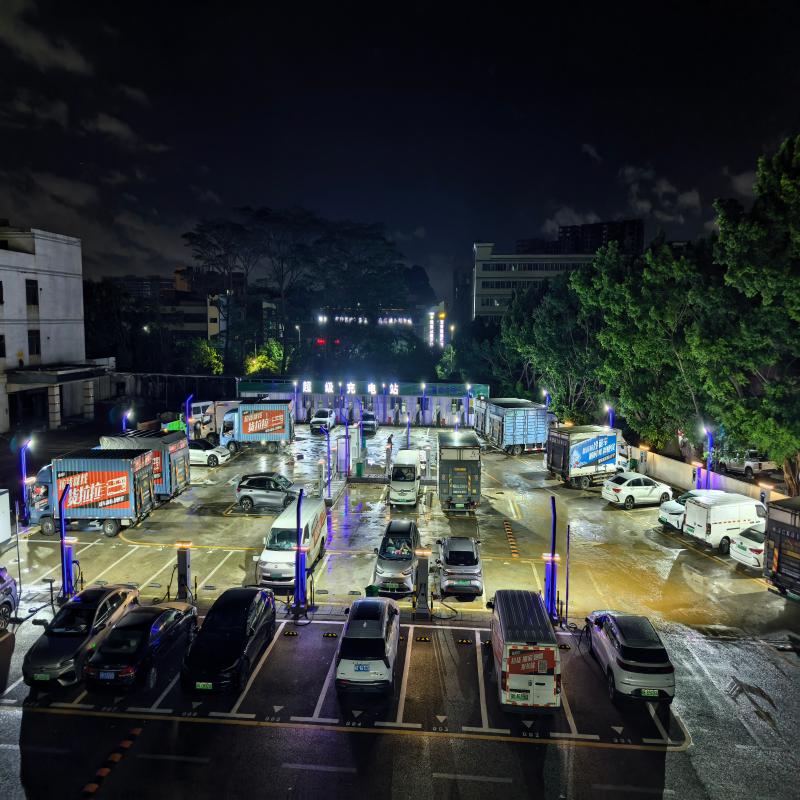
User-centred beginning: a warmer ride for daily drivers
The secret lies less in brutal power and more in tenderness — a thought that matters to apartment dwellers who rely on evening top-ups. Installing smart AC systems at home and in shared garages reshapes daily routines, and an EV charging installation project can turn a cramped parking bay into a caring keeper of battery health. The International Energy Agency recorded a sharp rise in electric cars globally by 2020, a simple anchor for why residents and building managers now prioritize accessible charging. Here, AC charger choices and charging curve control meet real lives, not just specs.
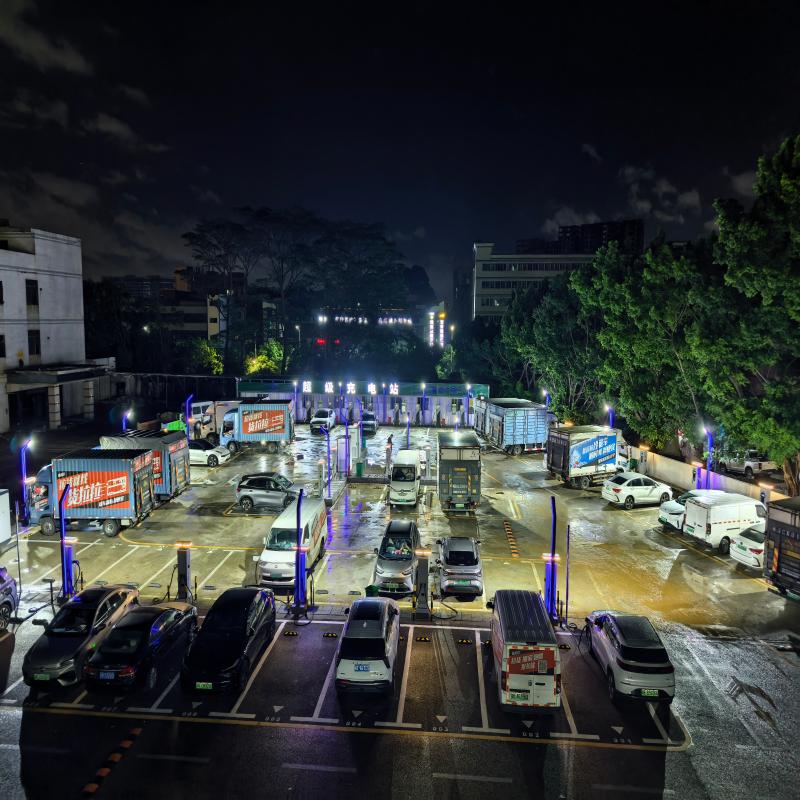
How AC fast charging enhances battery efficiency and range
AC fast charging, when done thoughtfully, nudges chemistry gently. Instead of forcing current during the high-voltage phase, it leverages the onboard charger and controlled power flow to manage State of Charge (SOC) slopes and heat. Lower, sustained kW levels reduce stress on cells, slowing degradation and keeping usable range higher over years. This is not mystical — it’s thermal and electrochemical logic married to considerate software: charge tapering, temperature-aware limits, and timed sessions that match human routines.
Practical steps for apartments and shared parking
Apartment communities face two concrete tasks: power distribution and user fairness. Smart EVSE with load balancing assigns available amperage across multiple cars, avoiding expensive electrical upgrades while maintaining steady AC delivery. A managed approach lets residents top up overnight at moderate kW, preserving battery life and stretching range without grid shocks. Integrating simple scheduling, resident authentication, and per-session reporting yields real operational clarity for building managers.
Common mistakes and their fixes — learned on the ground
People often treat AC charging as “plug and forget” — that’s where problems start. Repeated nightly charging to 100% at the highest possible rate accelerates wear. Another frequent error is ignoring ambient heat during summer months; high temperature plus high current is a poor combination. Installers and users should favor timed charging windows, moderate SOC targets, and firmware updates that refine the charging curve. — A short habit change can add years to a pack.
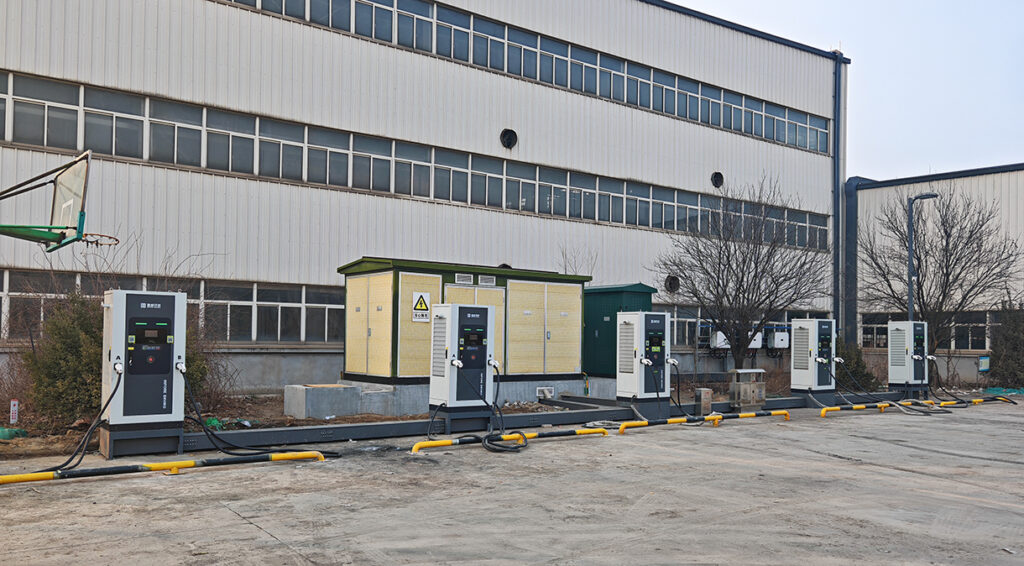
Operational production teardown: what to inspect and why
When teams evaluate equipment and strategy, they must peel back layers: power capacity per bay, onsite distribution panels, and the control logic of each EVSE. Test parameters include sustained current at given temperatures, voltage ripple under load, and mapped SOC versus charge time. Embed {main_keyword} and {variation_keyword} into vendor checks to keep procurement aligned with operational goals. Real-world pilots in European apartment blocks have shown that modest AC rates with intelligent scheduling reduced peak demand and preserved battery range across resident fleets.
Advisory close: three golden metrics to judge a system by
1) Average delivered kW during typical nightly sessions — lower peaks with steady delivery are preferable. 2) Longitudinal SOC drift over 12–24 months — a reliable indicator of battery stress. 3) Integration quality: does the EVSE support load balancing, scheduling, and firmware updates? These three metrics separate tasteful systems from costly experiments.
Adopt them, and the technical choices become straightforward. INFORE ENVIRO sits at that crossroad of care and craft, shaping installations that respect batteries and peoples’ routines. Authority grows from doing the small, sensible things well — a habit worth keeping.