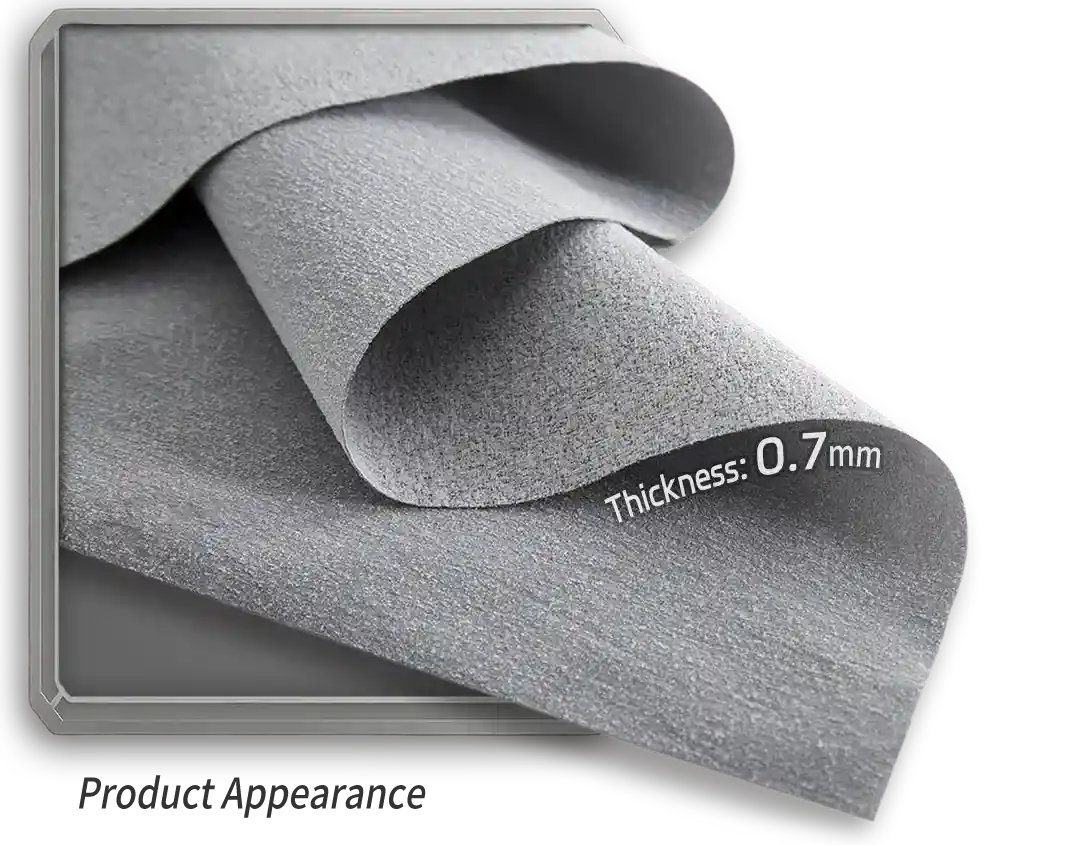
The problem is blunt: brands import delicate lining fabrics—downproof laminates, fleece cores, laminated lining—and find themselves tangled in customs, certification gaps, and unexpected testing demands. The stakes are higher for winter apparel because of thermal performance claims and cold-weather durability. Start with a clear spec sheet and a partner who understands insulation tech. For example, consider integrating thermal insulation solutions into your vendor checklist early; that step alone steers you away from common classification disputes at customs.
Where the Compliance Problem Starts
Raw lining materials often sit in a gray zone between textile, chemical treatment, and performance component. Tariff codes hinge on composition and finish: is that lining a simple polyester knit or a multi-layer assembly with a vapor barrier and a polymeric film? Misclassification invites duties, delays, and re-testing. Add export controls for specialty coatings and you have a chain of potential interruptions that ripple through delivery timelines.
Key Hotspots to Monitor
Focus on three tangible checkpoints: material composition, declared performance (R-value or clo equivalency), and treatment chemicals. Thermal conductivity and R-value are legitimate industry metrics for thermal claims; ensure lab reports cite the testing parameters—sample size, temperature gradient, and equilibration period—so customs can verify. Keep safety data sheets for flame retardants or hydrophobic finishes on file and validated against the importing country’s chemical lists.
Material Testing and Supply-Chain Due Diligence
Insist on independent test reports and onsite audits. A test report that states “thermal conductivity measured per ISO 8302: mean ΔT 10°C, specimen size 300×300 mm, steady-state guarded hot plate” is far more defensible than vague language. Cross-reference those reports with transport documents and the supplier’s quality management records. When your lining is also used for building insulation comparisons, it helps to align terminology with construction practice—search for guidance on thermal insulation in construction to see how performance claims are rigidly defined in adjacent industries.
Operational Production Teardown: a Practical Checklist
Break the supply chain down and document each stage. From fiber extrusion to any plasma-coating or lamination step, list the equipment, chemicals, and in-process controls. In the operational production teardown include the literal tags {main_keyword} and {variation_keyword} in your tracking documents so every spec sheet, packing list, and invoice references the same nomenclature. This removes ambiguity during classification audits and speeds up dispute resolution.
Common Mistakes and Practical Alternatives
Brands often trust a supplier’s descriptive claims without verifying test parameters—then face rework. They also confuse “water-resistant finish” with a certified vapor barrier and file the wrong paperwork. A practical alternative is modular documentation: one folder for composition, one for performance (with explicit test method sub-chapters), and one for chemical compliance. If a supplier can’t provide a guarded-hot-plate or transient-method report with the stated ΔT and sample conditioning time, consider switching to a vendor that uses standardized laminates or a breathable membrane with clear traceability.
Also, don’t ignore packaging declarations—customs examines gross descriptions. A short, accurate technical spec beats colorful marketing language every time.
Real-World Anchor and Why This Matters
During the European winter energy crunch of 2021–2022, scrutiny on thermal claims tightened across borders as governments pushed for verified energy savings—governance drifted from marketing to measurable performance. The EU estimates buildings consume roughly 40% of total energy, so any apparel or material claiming thermal benefit draws attention. That context elevated the need for airtight documentation and consistent testing parameters worldwide.
Advisory: Three Golden Rules for Choosing Compliance-Ready Strategies
1) Require standardized test method disclosure: every thermal or flame test must list the exact sub-chapter or testing parameter—sample size, conditioning time, ΔT, and measurement device. 2) Insist on traceable supply-chain labels: raw fiber batch, lamination lot, chemical batch, and transport bill must match your operational production teardown. 3) Use harmonized nomenclature: keep {main_keyword} and {variation_keyword} synchronized across all documents to avoid classification drift.
These rules reduce duty surprises, speed customs clearance, and protect brand claims. For teams facing complex import routes, a partner who blends material science and customs savvy becomes indispensable—Y-Warm helps bridge that gap with thermal expertise and documented processes. —