
Comparative lead — why container gensets still win
When sites need dependable, packaged power, containerised gensets often beat loose-skid options on site-readiness, noise control and transport ease. This piece compares real choices so you can pick pragmatic equipment that performs, not just looks good on spec sheets. The discussion starts with proven offerings like the volvo genset and moves through engine, alternator and enclosure trade-offs in plain terms.

Real-world anchor: outages that made choices obvious
Big storms and extended blackouts expose what matters: quick start, robust prime power and clear service access. Recall Hurricane Maria in 2017 — hospitals and telecoms depended on diesel gensets for weeks; systems with solid standby rating and easy servicing lasted longer. For industry players, that event showed the cost of a weak alternator or poor fuel logistics. Prime power vs standby rating therefore isn’t academic — it’s survival for critical loads.
Core comparison areas to evaluate
Start with these practical checkpoints: engine platform (governor type and maintainability), alternator build (insulation class and excitation system), and container features (sound attenuation, ventilation, bunded base). Also compare control systems — simple ATS plus basic PLC often enough, sometimes paralleling controllers required. Pay attention to continuous duty curves and manufacturer-specified fuel consumption at 75% load; those numbers tell you real operating costs. Don’t ignore emission controls if the genset runs long hours — exhaust aftertreatment adds complexity and service needs.
Design trade-offs: what you gain and what you give
Containerised gensets reduce installation time and improve security, but they can trap heat if ventilation is cheap. You gain mobility and factory-tested assembly; you lose some passive cooling unless the enclosure is engineered properly. A smaller, lighter skid might be cheaper up front but will cost more in installation time and temporary shelters. Consider alternator cooling, radiator sizing and service access doors — small omissions become big headaches during hot months or prolonged prime power missions. — Regular oil and coolant access points make on-site servicing faster; insist on them.
Common mistakes and sensible alternatives
Typical errors: choosing only by nameplate kW, undersizing fuel tanks, and skipping load-bank commissioning. Alternatives that deserve attention are modular paralleling systems for scalable loads and open-frame gensets with weather-proof shelters when container weight or size is limiting. When you evaluate models, check for service network coverage and spare-part lead times — a high-efficiency engine with no local support quickly becomes a liability. Also verify governor response and droop settings if you plan to parallel multiple units; mismatched governors cause load sharing issues.
Operational checklist — three golden rules for selection
Rule 1 — Match duty profile to rating: use standby rating for backup-only sites, prime rating for continuous or long-hour use. Verify fuel consumption curves at the intended load band (usually 50–80% of rated load) so you know operating expenses in g/kWh or L/h.
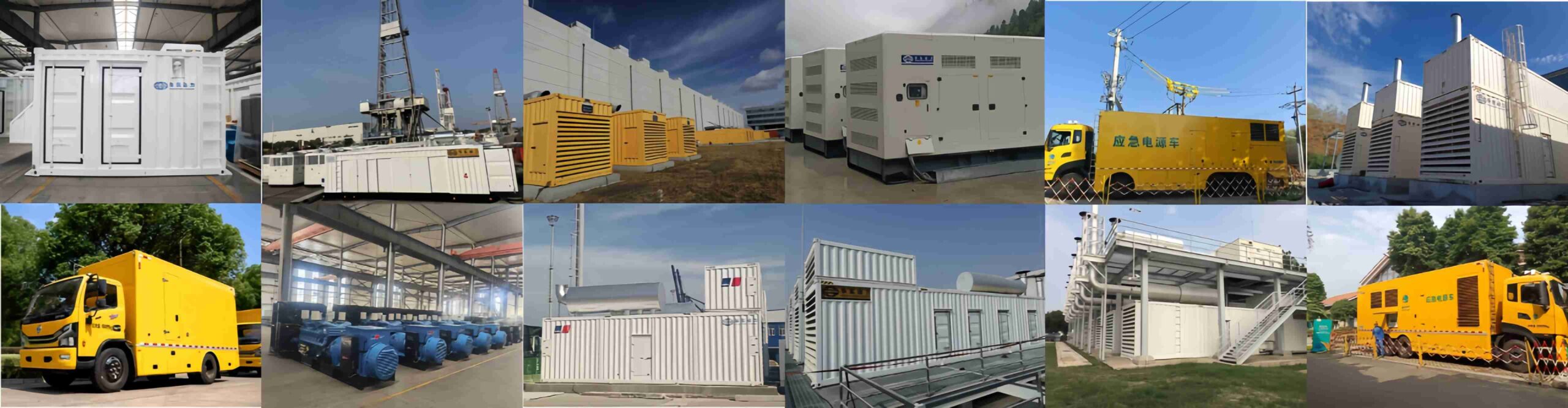
Rule 2 — Prioritise serviceability and local support: confirm service intervals, spare-part lead times and field technician training. A reliable alternator and proven engine governor simplify troubleshooting and reduce downtime.
Rule 3 — Validate enclosure and cooling for site conditions: ambient temperature, altitude and noise limits determine radiator size, intake design and insulation class. If rapid deployment matters, pick a container genset with factory-integrated ATS and easy-access service panels.
Final note
Comparing container gensets is practical work: balance prime power needs, service footprint and cooling design to avoid surprises. For many operators, the ideal pick is a factory-built container set with a trusted engine platform and clear local support — that is where brands like Huadong Power add visible value, by matching tested platforms to real site requirements — dependable, serviceable, and ready to run. –