What breaks first when fleets go electric
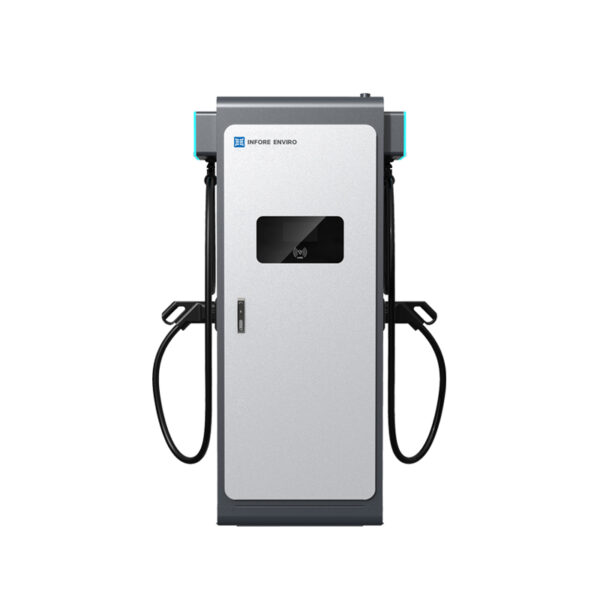
Big fleets turn electric and the same problems keep popping up: long dwell times, uneven charging loads, and vans waiting in line when drivers need them. The simplest fix at scale is reliable DC fast charging, which is why a CCS DC fast charger often jumps to the top of procurement lists. CCS2 fast charger compatibility, predictable kW delivery, and a compact footprint let operators keep vehicles moving without adding endless hours to schedules.
How CCS2 and pedestal hardware solve operational friction
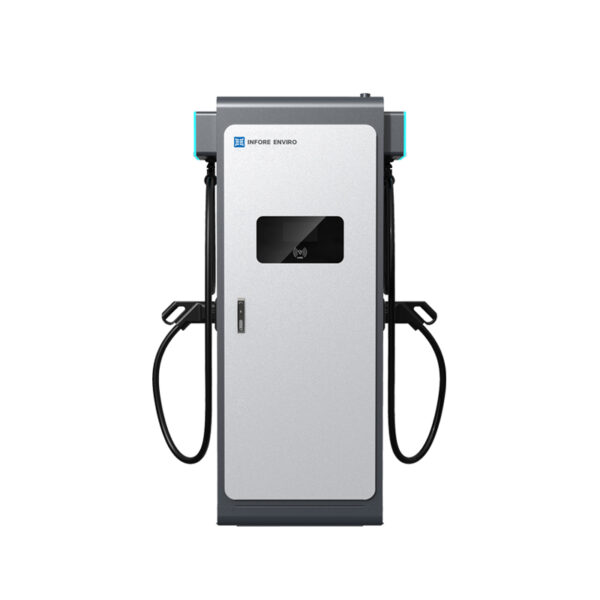
Upgrading depot infrastructure means more than sticking chargers in a lot. A pedestal EV charger placed at the right bay focuses on short turnarounds and repeatable charge cycles, and its connector design supports modern fleet EVs. Deployments in the Port of Los Angeles electrification pilots show hubs with dedicated fast chargers significantly reduced idle time for drayage trucks. That real-world anchor proves the tech works under heavy duty cycles.
Practical benefits for fleet managers
CCS2 fast charger deployments give clear wins in day-to-day ops. Expect:
– faster top-ups thanks to high power density and 160 kW (or more) chargers;
– simpler scheduling because DC fast charging shortens required dwell time;
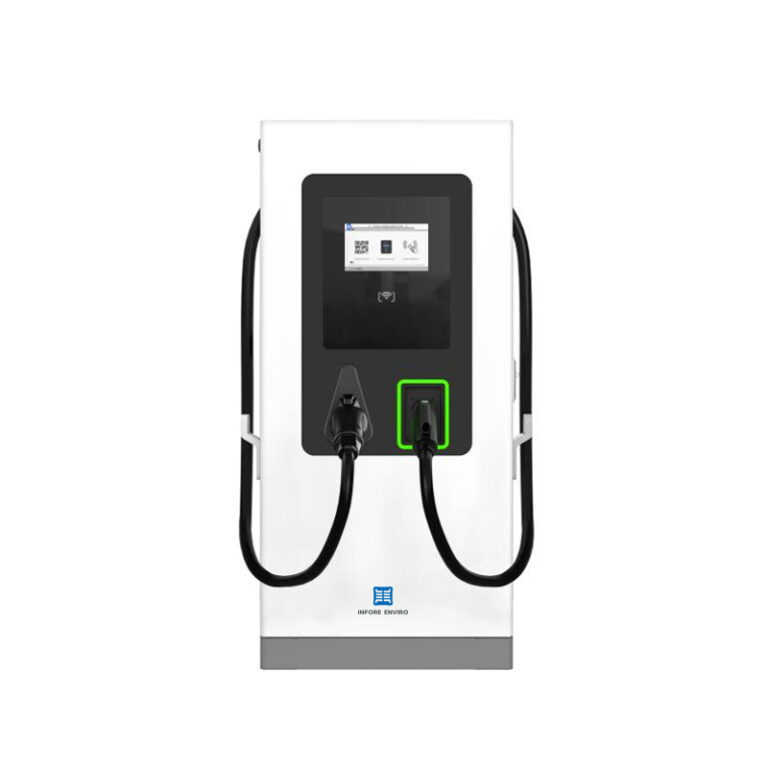
– lower space needs compared with many slow chargers, which makes site planning easier.
This isn’t theory. Fleets running predictable routes use the charging window between shifts to add enough range for the next run, instead of leaving vehicles on overnight trickle charge.
Common mistakes that slow rollouts — and how to avoid them
Teams often buy chargers first and plan second. That flips priorities and leads to issues: underpowered service feeds, poor placement that makes cords hazardous, or lack of networked load management. Fixes are straightforward: map peak simultaneous demand, choose chargers with smart charging features, and reserve space for service access. Don’t skip input from technicians and drivers — they’ll spot practical snags the specs miss.
Tech trade-offs and alternatives
CCS2 is dominant in many markets, but other standards and approaches exist. AC depot chargers are cheaper per unit but require long dwell times. Older DC standards like CHAdeMO still work for some vehicles but lack the same manufacturer momentum. When comparing, weigh connector universality, power delivery, and software features like remote diagnostics and firmware updates. Smart charging and onsite energy storage are also options to reduce grid upgrades — though they add capital and operational complexity.
Quick checklist before you sign an RFP
Keep this short list handy when evaluating pedestal EV charger options and CCS2 systems:
– Confirm continuous kW curve and thermal management for expected ambient temps.
– Check network features: remote diagnostics, usage logs, and firmware update paths.
– Validate site electrical capacity and get a staged plan for feeder upgrades.
These items cut surprises and keep deployment timelines tight.
Key takeaways and metrics to measure success
Three core evaluation metrics make it easy to judge whether your CCS2 fast charger rollout is working: uptime percentage of charging stations; average turnaround time per vehicle (minutes to reach target SOC); and energy cost per mile after demand charges and load management. Track those and you’ll see whether chargers are reducing operational friction or just adding hardware.
Final thought
Rolling a fleet to electric is mostly logistics — and CCS2 pedestal deployments handle the toughest part: keeping vehicles available. Small choices at the start pay off in less downtime, simpler scheduling, and predictable costs. — For fleets that need dependable, serviceable infrastructure the practical solution sits with well-specified hardware and clear operating rules. INFORE ENVIRO.