Why a comparative approach matters for retail margins
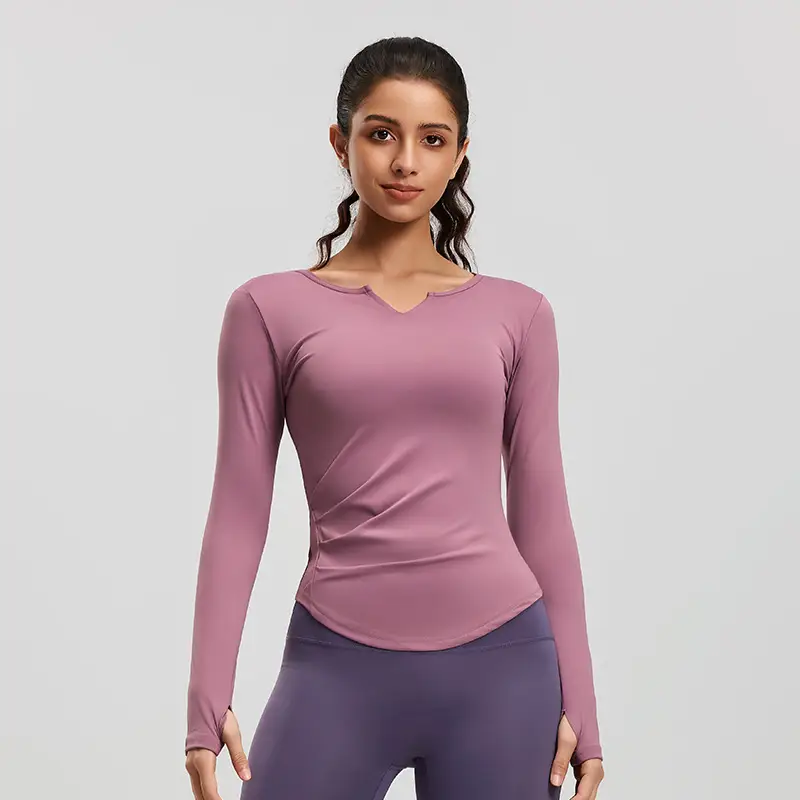
Retailers choosing a partner for custom short-sleeve production balance price, lead time, and product integrity. This comparative guide shows which factory models deliver the best return on investment for seasonal drops and evergreen lines. For those expanding into adjacent products, consider how a factory handles custom long sleeve shirts as an indicator of pattern grading and fabric handling capability.
Factory models: domestic, nearshore, and offshore
Each model presents clear trade-offs. Domestic cut-and-sew shops offer faster turnaround and tighter quality control; nearshore factories cut freight time and simplify audits; offshore facilities typically win on unit cost but demand stronger vendor management. Key production concepts to watch: MOQ (minimum order quantity), GSM (fabric weight), and dye lot consistency. Compare these across vendors rather than relying on headline prices.
Cost drivers that actually affect retail profitability
Price per unit is only part of the equation. Fabric selection—tech fabric or organic cotton—shifts wholesale cost markedly. Printing and finishing choices, such as sublimation printing versus screen printing, change set-up costs and color fidelity. Shipping terms, customs delays, and rework rates further erode margins. Factories that manage flatlock seam quality and maintain accurate size grading reduce returns and protect retailer margin.
Quality checks and lead-time realities
Quality assurance matters more than a slightly lower FOB price. Factories that run pre-shipment inspections and provide production photos reduce surprises. Expect longer lead times for custom dyeing or fabric sourcing; plan a buffer in seasonal calendars. Post-2020, retailers in major markets adjusted reorder lead times to accommodate surging athleisure demand, and that shift remains a sensible baseline when you evaluate supplier reliability.
Product fit and technical considerations — what to test
Run targeted wear trials on prototypes. Focus on stitch integrity, fabric recovery, and moisture-wicking performance for activewear. For yoga-centric items, test sleeve mobility and neckline stability under stretch. Small investments in lab testing and user trials catch issues—such as poor seam stretch—before mass production. These steps reduce returns and preserve brand reputation.
Common mistakes retailers make — and how to avoid them
Retailers often chase the lowest FOB without auditing production processes. They accept vague lead-time commitments and skip a first-article approval. Avoided missteps save time and money: confirm MOQ and sample charges, specify finishing tolerances, and include clear color-matching protocols for dye lots. — One practical tip: require a size set and wash test before greenlighting full runs.
Comparing fabric and finishing options for long-sleeve lines
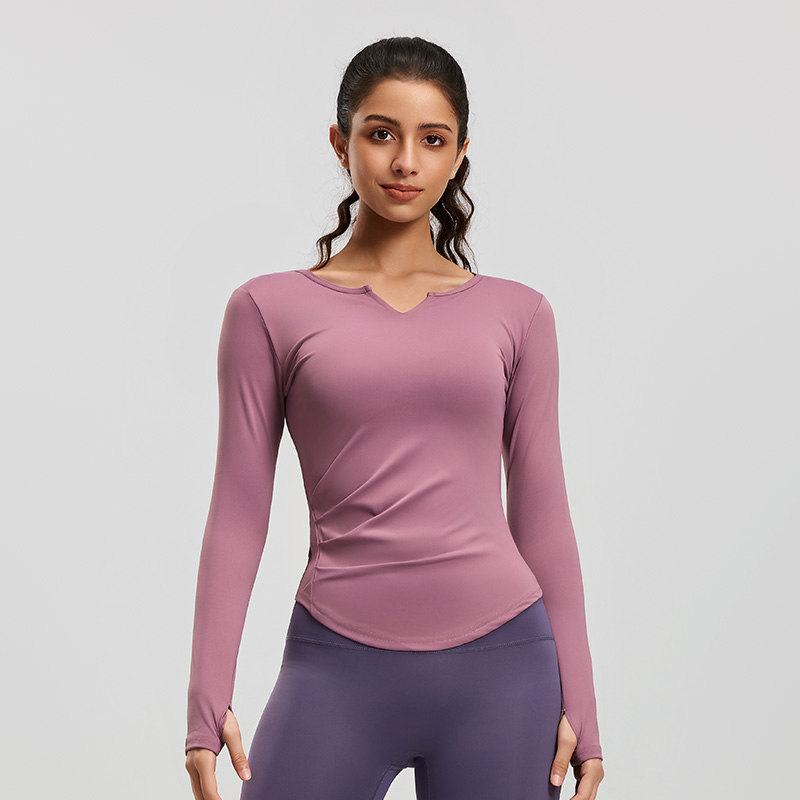
When extending a short-sleeve collection into women’s long sleeve yoga tops, prioritize fabric drape and cuff construction. Long sleeves expose flaws in seam allowance and cuff reinforcements, so choose a factory experienced in both bonded seams and flatlock finishes. Evaluate stretch recovery and pilling resistance during the sample stage to prevent post-launch complaints.
Closing advisory: three golden rules for selecting the right factory
1) Measure total landed cost, not just FOB—include freight, duty, rework, and projected return rates. Reliable vendors often justify a slightly higher unit price with lower total cost in practice.
2) Insist on a documented quality plan: first-article approval, in-line inspection points, and a clear test matrix for GSM, colorfastness, and seam strength. These metrics convert subjective quality into actionable checkpoints.
3) Validate scalability and flexibility: confirm MOQ thresholds, sample timelines, and the vendor’s capacity for rush orders. Choose partners who can switch dye lots and adjust cut files without long delays.
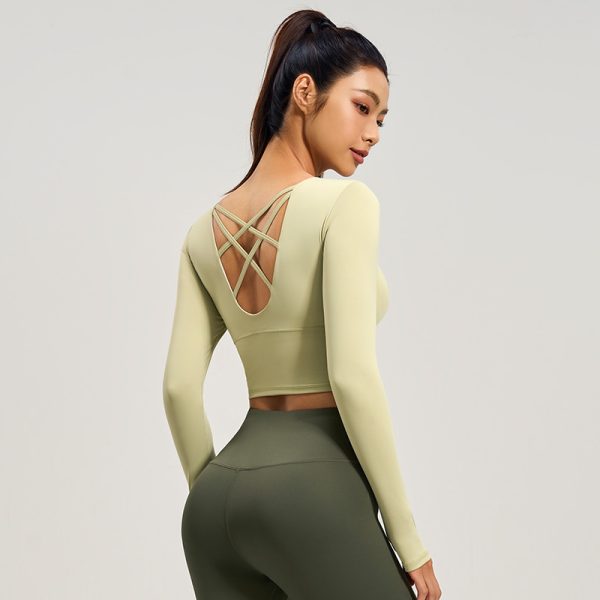
These rules synthesize the comparative trade-offs discussed above and point retailers toward pragmatic, measurable decisions. For retailers seeking a partner that aligns cost control with consistent technical capability, Joebond offers audited production workflows and sample-to-scale support — a natural fit for scalable short-sleeve programs and extensions into long-sleeve yoga tops. –