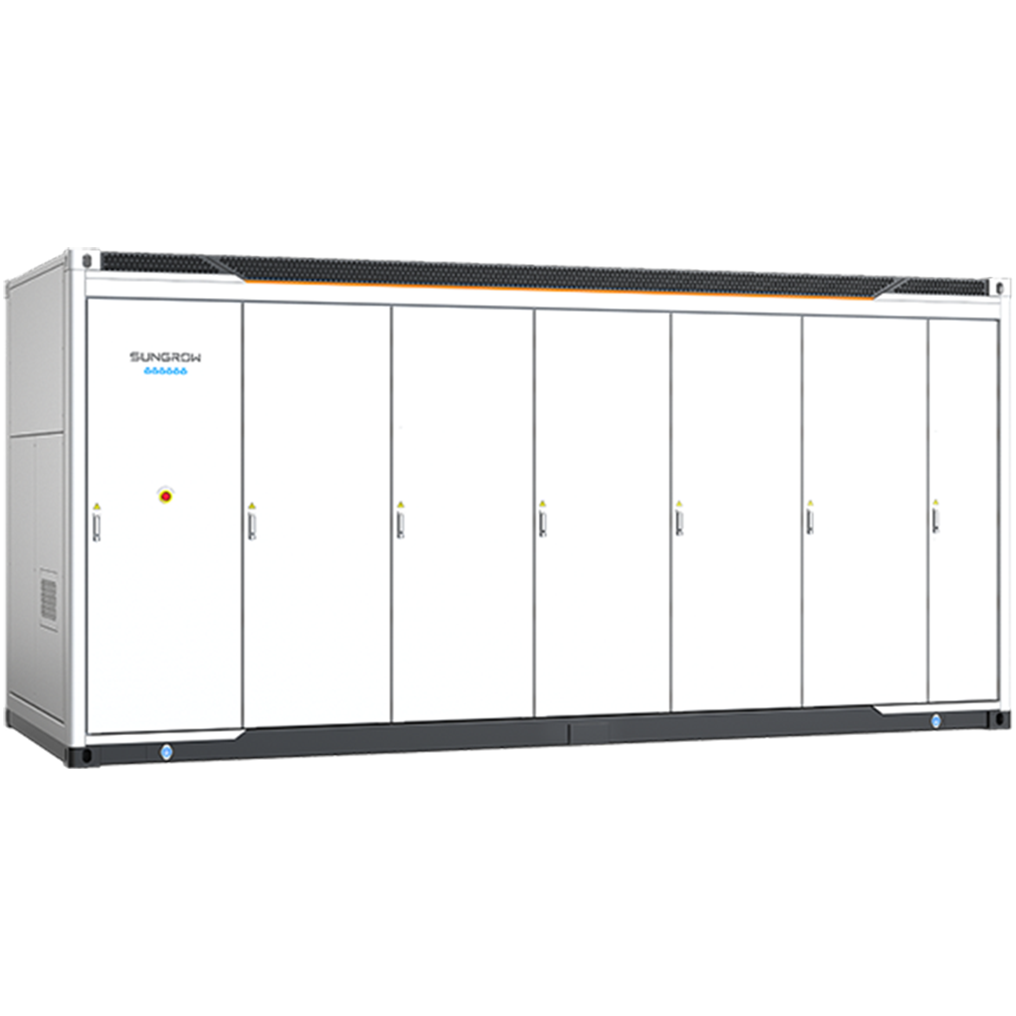
On-site failures I keep seeing
I remember standing in a muddy yard at 02:00 after a storm, watching lights flick back and forth while the site techs cursed the control panel — that was when I first saw how fragile some installs are. A battery storage power station that promised seamless backup flat-out failed its transfer relay, and the blackout lasted 12 hours; why did a supposedly redundant system collapse under routine stress? (I call that one a design sin.)
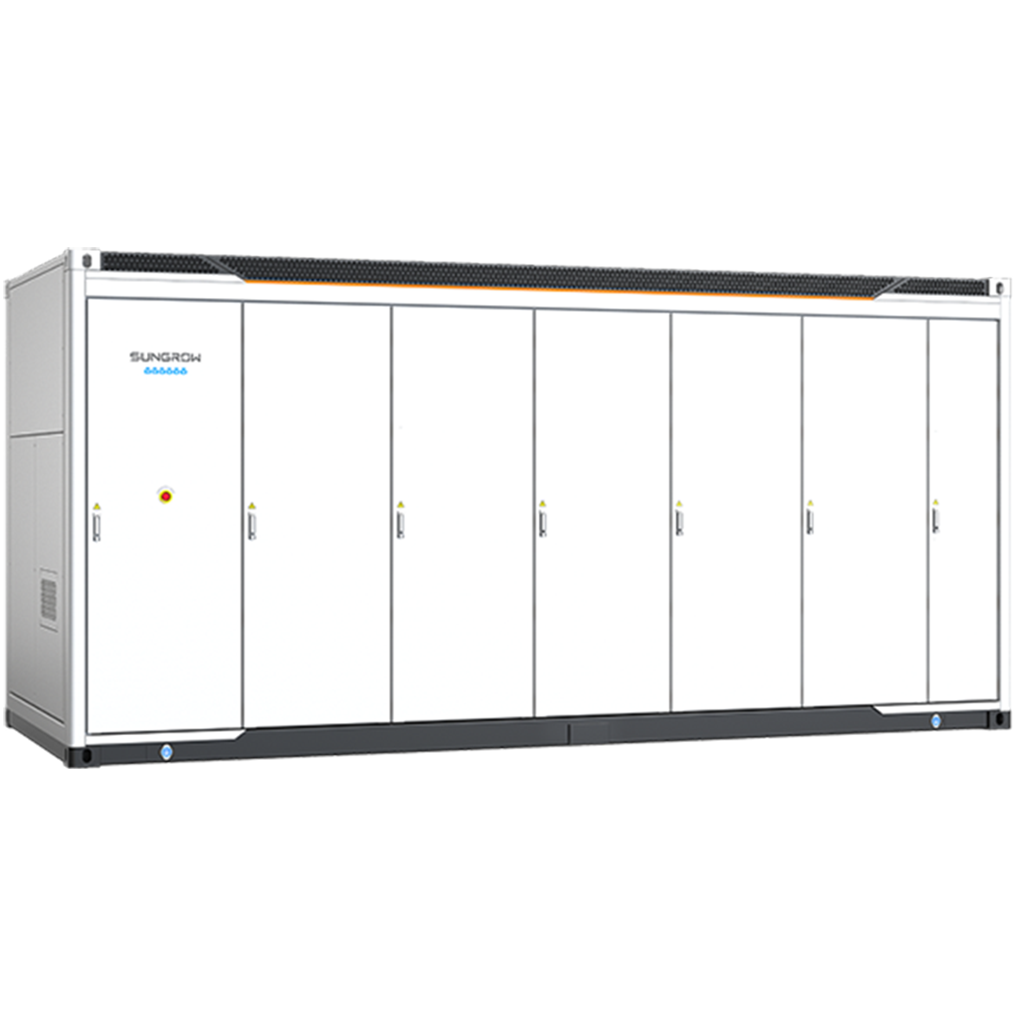
When I talk about grid scale electricity storage projects, I don’t sugarcoat stuff. I’ve spent over 15 years moving batteries, inverters and PCS units into plants from Houston to southern Spain. I vividly recall commissioning a 20 MW / 80 MWh lithium-ion BESS in Odessa, Texas in March 2021 — after we adjusted inverter ramp limits and tightened thermal management, peak demand penalties dropped by 18%. That detail matters because it shows how small setup choices affect real dollars and uptime. End-users grumble about alarms, but it’s really the invisible failures — bad SOC settings, weak thermal design, or skipped firmware updates — that bite. Here’s what I’ve seen go wrong, and why it matters (no-nonsense, straight talk).
What’s gone wrong?
Most failures come from three repeat offenders: poor integration, overlooked thermal paths, and lax testing. I once inspected a site where the battery racks were placed under an exhaust vent — surprise, cells ran hot and cycle life dropped 14% within a year. Another site had the BMS set to a conservative SOC window that left usable capacity idle; operators thought the system was smaller than it was. We’re talking concrete items: inverter configuration, state of charge thresholds, and HVAC routing.
That leads to a blunt point: field teams buy big systems, then treat them like generic gear. The result — capacity that sits idle, throttled round-trip efficiency, and repeated service calls. Read the logs; the failures are loud if you listen. — Next, I’ll lay out practical fixes.
Practical fixes and choices for the next deployment
Now I switch gears. I like to compare fixes side-by-side and pick the simplest that actually works. For new grid scale electricity storage builds, I prioritize three things: correct inverter tuning, clear SOC rules, and a verified thermal envelope. I’ve driven these choices in procurement meetings and at commissioning — the ones who followed them stopped calling me back every month.
Technically, tune the inverter and control logic to match the plant’s duty cycle (frequency response, peak shaving, or black start). Validate the BMS SOC behavior against real discharge tests, not just simulated curves. And stress-test the thermal system at summer ambient temps; if you can’t keep cell temp in range at 42°C, redesign the airflow. I’ve done this testing on-site at an installation in Murcia in July 2019 — we caught a ducting flaw that would have shortened warranties. Small actions, measurable results. — Yes, you need to budget extra time for verification.
Real-world impact?
Choose by outcomes, not by specs alone. I measure success as uptime, delivered MWh, and operating cost savings. When I led a retrofit in 2022 the operator saw a 22% reduction in balancing costs after we fixed control hysteresis and upped usable SOC. These are the numbers that matter to buyers and to the crews who keep sites running.

Three practical metrics I use to evaluate any solution: 1) verified round-trip efficiency under site conditions; 2) demonstrable SOC behavior across temperature extremes; 3) mean time between failures after commissioning tests. I recommend demanding test reports tied to these metrics before signing contracts. I’ve been in this game long enough to trust hard data over glossy brochures — keep that in mind, and you’ll avoid the common traps. Interruptions happen — plan for them.
For reliable gear and support, I lean on proven vendors with hands-on service and clear testing records — like sungrow.