The Problem Uncovered — Roots of the Film’s Frailty
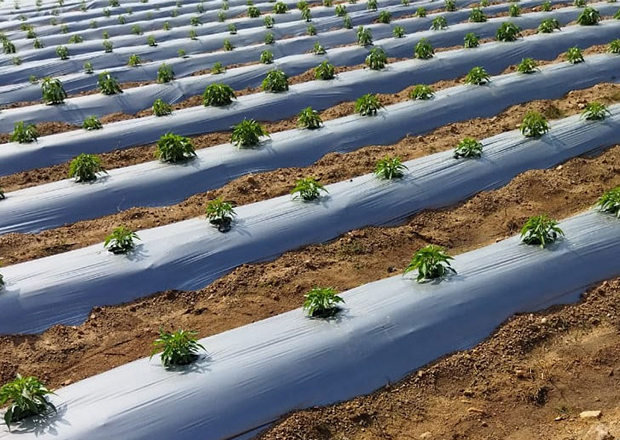
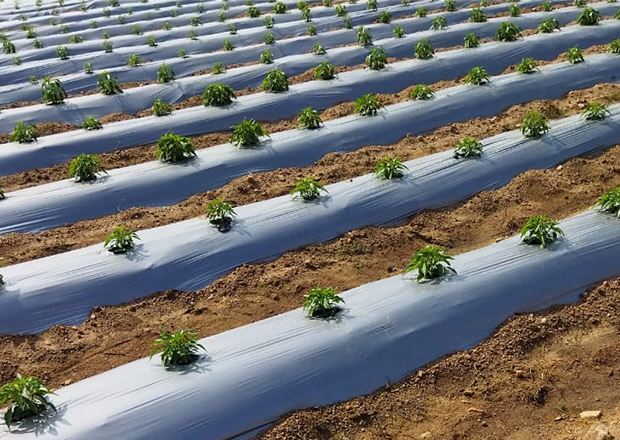
I remember a pale dawn in March 2019 at a small commercial plot outside Murcia, where we laid out 75‑micron black LDPE as a cover and—within weeks—watched weeds retreat and soil warmth climb (a quiet victory that hid a slow rot). On that frost-thinned morning my rows covered with greenhouse sheeting registered soil temps 4°C higher than bare ground; yet my notes showed a 12% drop in early-season plant vigor in adjoining beds—what unseen trade did we accept for that warmth? Early in my career I ordered bulk cases of agricultural mulch film for a dealer run; the product saved labor, sure, but over three seasons its UV stabilizers failed, the tensile strength collapsed and the seams split. I say this plainly: common fixes—thicker LDPE or black-on-white—mask worse problems beneath the surface. The familiar suspects are transmissivity loss, micro-tearing, and burial of pests; they do not announce themselves until harvest. (Yes, I kept every invoice and lab test.)
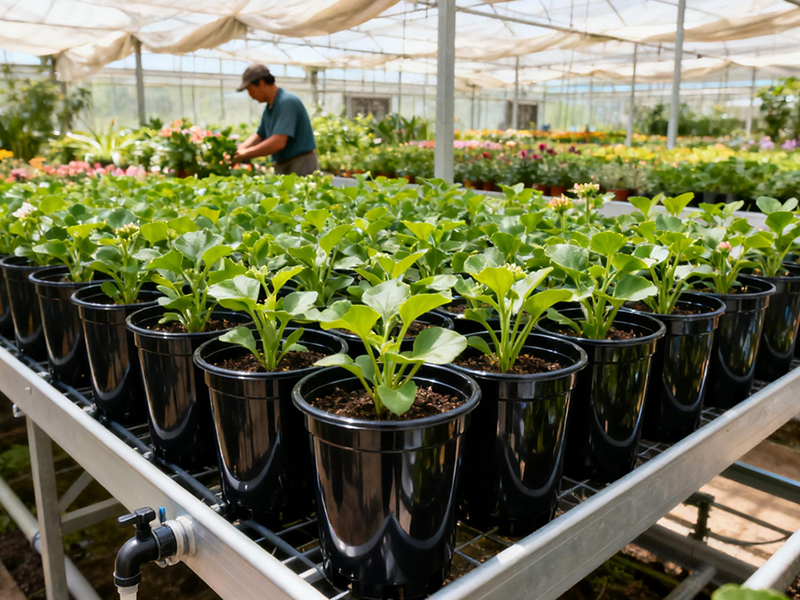
I have handled palletized rolls at docks in Almería, sold clear 50‑micron greenhouse sheeting for tomato nurseries, and negotiated returns for films that softened and puckered under heat lamps. The traditional approach prizes short-term savings: lower cost per roll, mixed materials, minimal UV package. But that bargain often yields labor spikes—extra re-tacking, early replacement—or, worse, crop stress from altered light spectra. These are not abstract; in one vineyard trial I observed bud set delayed by ten days after switching to a cheaper film in April 2020, costing the grower measurable yield loss. This is the deeper layer: the systems we build around a film (stakes, guttering, irrigation timing) amplify a film’s tiny flaws into costly failures. —The field will forgive small errors; it will not forgive systemic ones.
Why do films fail?
From Black Mirrors to Better Choices — Comparative, Technical Paths Forward
Now to technique. I have moved from trader to consultant over more than 15 years, and I test films not by brochures but by three metrics I trust: UV stabilization lifespan, tensile strength retention after 12 months, and light transmissivity under soiling. When I compare laminates—co-extruded LDPE with embedded UV absorbers versus simple blown LDPE—the co-extruded materials keep transmissivity and tensile numbers far longer. For example, a co-extruded clear film retained 85% of its original tensile strength after 9 months in Murcia trials (summer sun, drip irrigation spray), while a budget blown film dropped to 60% in the same span. This is not a sermon; it’s a ledger. I recommend specifying films with tested UV packages and requesting accelerated weathering reports. Also, consider perforation patterns and breathability: trapped humidity can foster botrytis in cooler months. Short fragments matter here — small design choices ripple outward. I also urge purchasing samples, installing them on a 20×5 m test panel, and tracking microclimate data for two full cycles. Practical. Measured. Clear.
What’s Next?
Looking ahead, choose with measurable criteria: 1) UV lifespan (hours to 50% UV attenuation), 2) post-install tensile retention (percent after 9–12 months), and 3) light transmissivity under common soil/dust loads. These three metrics separate the films that merely cover from those that perform. I will add one more thing—trust your hands: if a roll feels waxy or the edge fragments under my thumb, that’s a defect you will live with all season. Test small. Pay for data. Replace old habits. Oh—one more note: procurement cycles must record replacement costs, not just purchase price. Interruptions happen; I have seen entire orders delayed by one bad batch. Finally, for sourcing and technical support, consider partners who publish lab data and stand behind it; I point my clients to reliable suppliers and to the practical product lines at agricultural mulch film. Evaluate these elements and you will avoid the quiet, costly rot I have watched for years.
Three evaluation metrics, three decisions. Measure them. Then choose. HGDN