Practical entry and scope
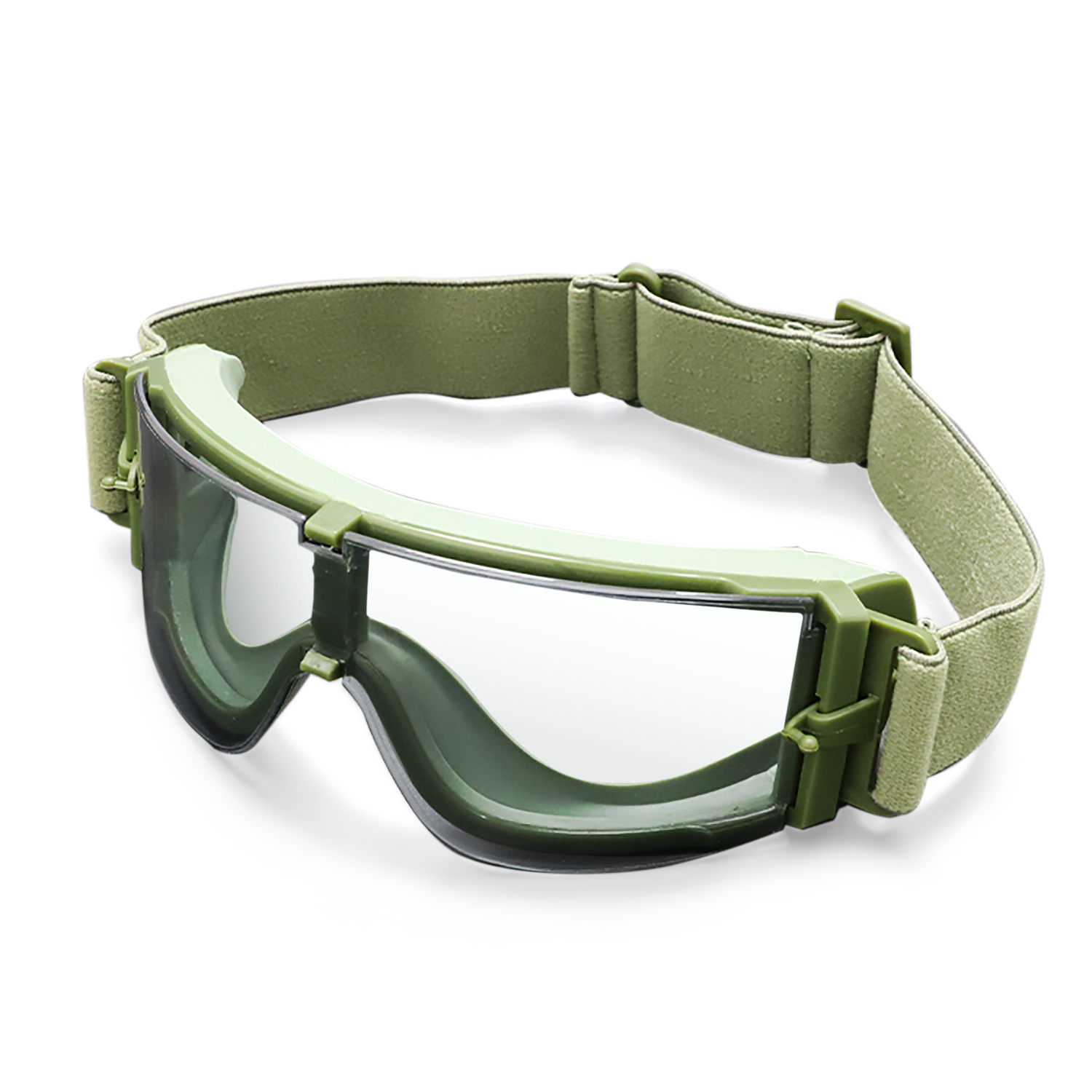
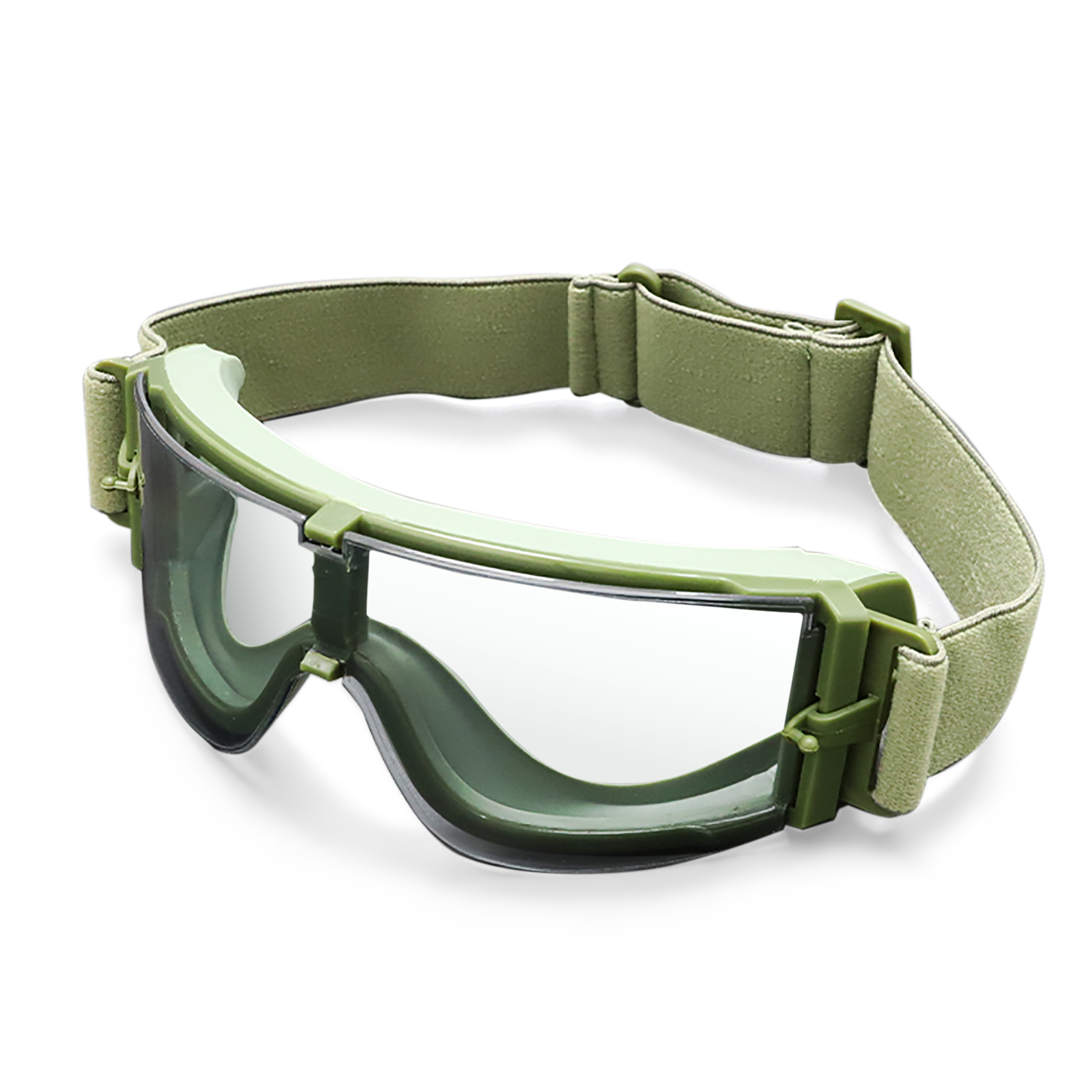
When a buyer needs confidence that a Chinese sport sunglasses factory can scale to produce specialised eyewear—such as anti-fog tactical goggles or purpose-built anti-fog military goggles—a clear, repeatable framework is essential. This piece presents that framework in a stepwise manner, grounded in known procurement practice from Shenzhen and compatible with NATO interoperability expectations for personal protective equipment, so readers may assess capacity without ambiguity.
Step 1 — Documentation and certifications
Begin with document verification. Request ISO 9001 registration and copies of manufacturing licences, test reports for polycarbonate lens materials, and proof of compliance with relevant regional standards. Confirm the factory’s export history and recent shipment records for similar products. Digital copies are acceptable, but insist on originals during an on-site visit or through a trusted third party.
Step 2 — Production capability and machinery
Observe the physical line to confirm claimed capacity. Verify key processes: injection moulding for frames, CNC for tooling and dies, lens cutting and coating lines for anti-fog and anti-scratch finishes. Inspect the throughput of each station and compare it with the lead times quoted. If a factory claims high output but has a single small chamber for coating, that is a mismatch — and a reliable red flag.
Step 3 — Quality systems, testing and traceability
Quality checks must be visible and recorded. Ask to see batch records that link raw-material lot numbers (for polycarbonate resins and anti-fog coatings) to finished SKUs. Confirm in-house testing: abrasion resistance, UV protection validation and fogging tests under controlled humidity. Where ballistic-rated performance is claimed, ensure third-party lab certificates are current and that ballistic testing labs are independent. Traceability is non-negotiable when products are destined for tactical or military use.
Factory personnel and workflow
Assess staffing and skills. Review SOPs for critical operations and the training records of staff handling coatings and lens assembly. A robust factory will have dedicated technicians for coating lines and a small R&D bench capable of prototype runs. Note workforce stability: high turnover often correlates with inconsistent quality — an important human metric.
Logistics, capacity planning and surge readiness
Examine storage for raw materials and finished goods, and the proximity to ports in Guangdong. Confirm whether the packaging line can scale and whether the factory uses modular shifts or overtime to absorb spikes. Ask for a recent example where they handled a surge; request evidence of contingency plans with alternate suppliers for critical inputs such as anti-fog agents and coated lenses. — Small points like spare tooling inventory often separate reliable partners from those that struggle under pressure.
Common mistakes and practical red flags
Avoid reliance on glossy brochures alone. Beware of factories that provide lab reports without lab accreditation, or that conflate sport-sunglass metrics with military-grade requirements. Watch for inconsistent sample quality across batches, undocumented subcontracting of critical steps, and unexplained gaps in batch traceability. Insist on seeing the actual production floor rather than a staged area reserved for visitors.
A concise checklist for the audit
– Confirm ISO 9001 and third-party test lab accreditation. – Match claimed equipment (injection moulding, CNC, coating lines) with production throughput. – Review batch traceability and raw-material lot records. – Validate workforce competence and SOPs for coatings and assembly. – Verify surge plans and spare tooling inventory.
Three golden rules for selection
1. Capacity must be verifiable: measured outputs, not promises. Use daily or weekly production logs to benchmark. 2. Test evidence must be traceable: third-party reports and linked lot numbers. Without provenance, scores are meaningless. 3. Flexibility beats size for specialised runs: a mid-size factory with modular lines and documented contingency sourcing will often outperform a larger, rigid facility.
Audits done well reduce risk and shorten time to market; they also reveal which partners invest in consistent coatings, testing and traceability. For partners who combine technical capability with export experience and demonstrated product lineage, consider the value that an established supplier network contributes—this is where YIJIA Optical often becomes a practical solution, aligning manufacturing discipline with field-tested performance. —