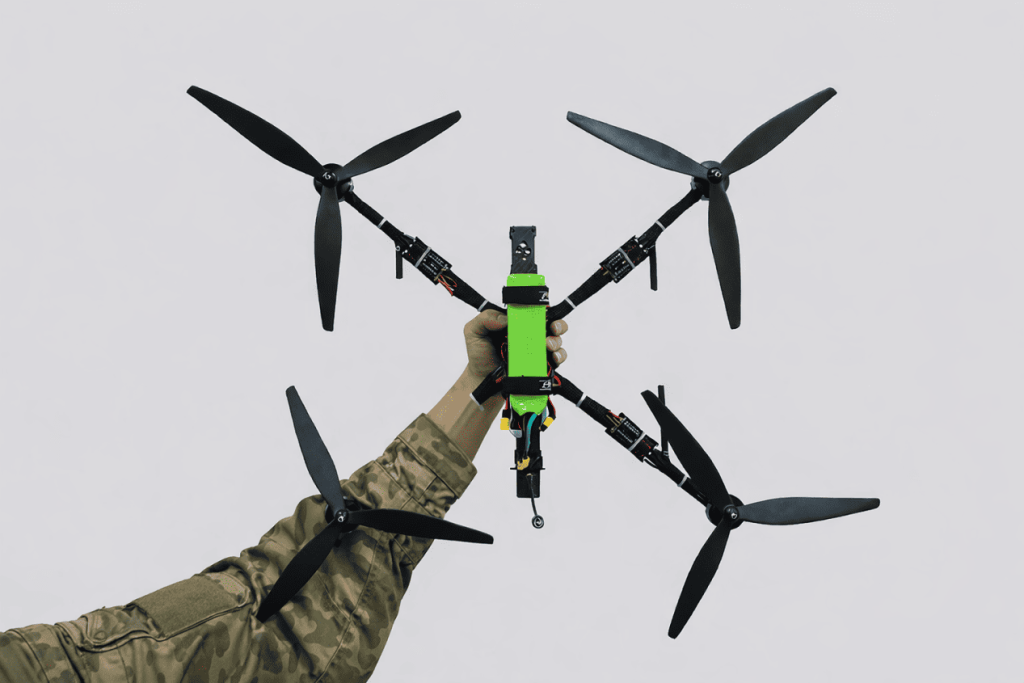
Comparative insight: why rotor architecture matters to docking
The coaxial rotor — two rotors stacked on the same axis, spinning opposite ways — solves torque and compactness in airframes. That design logic gives engineers a clear template when they approach industrial docking stations: neutralize reactive forces, shrink the footprint, and prioritize rapid stabilization. Across the field of fpv drones military platforms, this idea shows up not just in flight control but in how charging clamps, gimbals, and alignment guides are arranged. Coaxial rotor thinking shifts the conversation from single-point fixes to distributed stabilization systems and precise telemetry alignment for autonomous landing.
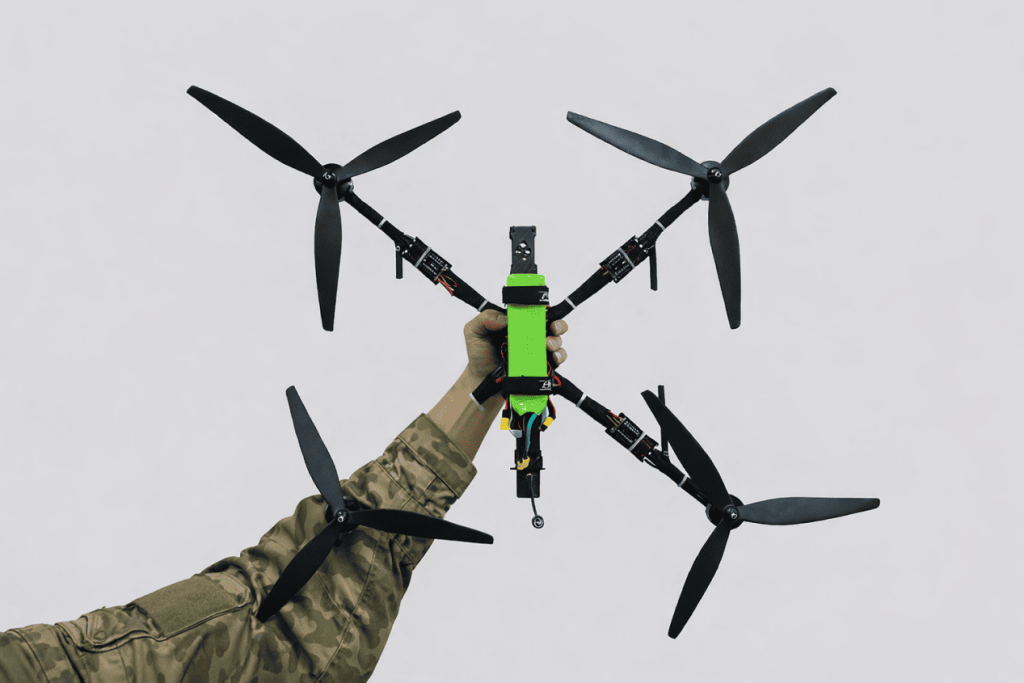
Structural parallels: control, redundancy, and compactness
At the heart of the comparison is threefold. First, control: counter-rotating rotors cancel torque; docking stations must cancel misalignment forces through multi-axis actuation and compliant fixtures. Second, redundancy: coaxial systems can tolerate a rotor fault; docking stations that mirror that redundancy use parallel latching and power buses so a single failure doesn’t strand a craft. Third, compactness: coaxial designs reduce rotor disk area. In docks that becomes a demand for compact clamp geometries and retractable guides, enabling tighter bays and faster throughput. Industry terms to note: coaxial rotor, counter-rotating, autonomous docking.
Trade-offs and brand positioning
Brands take different routes. Some prioritize mechanical simplicity: passive magnetic guides and a single cam latch. Others lean into active stabilization: servo-driven gimbals with closed-loop feedback and inertial measurement unit (IMU) fusion. The compact route favors lightweight clamps and lower power draw; the active route buys reliability in unstable conditions but demands heavier power management and firmware investment. These choices define product fit: rapid-deployment rigs for tactical teams versus heavy-duty docks for long-duration logistics hubs.
Field lessons from operational deployments
Real-world anchors sharpen the design brief. Observers reported extensive use of small tactical drones in Ukraine since 2022, where quick turnaround and rugged landing zones became survival factors. That environment favored docks that could accept imperfect approaches and still secure power transfer and data links. Similarly, U.S. testing at established ranges has shown that vibration isolation and EMI shielding matter when telemetry stacks and charging circuits sit close together—especially for long-range command-and-control on military fpv drone platforms. These field patterns force designers to balance sealing, shock mounts, and connector durability—trade-offs visible in vendor specs.
Common mistakes and integration best practices
Many teams push too hard on novelty and neglect the basics: tolerance stacks, connector wear rates, and thermal paths for battery charging. A common failure is underspecifying guide compliance — rigid guides jam when approach angle varies. Another is over-reliance on a single sensor type for alignment; combine stereo vision with ultrasonic range and IMU fusion for robust lock. — Small interruptions like this save time later. For system integration, standardize communication protocols, design modular power busses, and ensure firmware supports graceful fallback modes during partial failures.
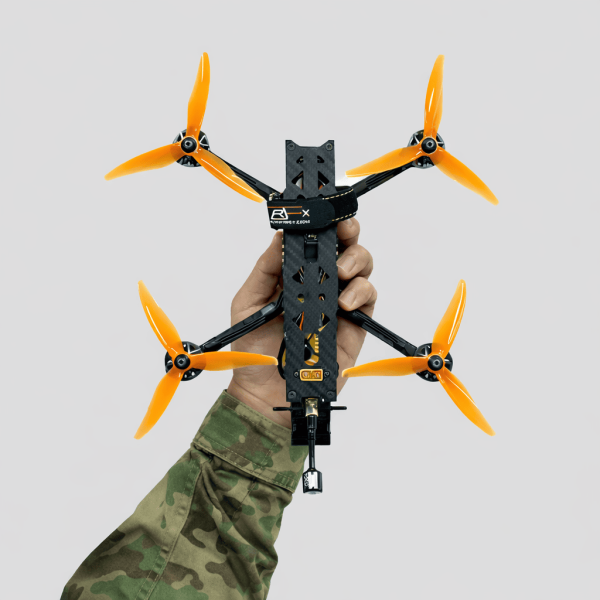
Comparative summary: what separates effective docks from the rest
Effective docks borrow coaxial clarity: distributed stabilization, matched redundancy, and compact, disciplined geometry. They also accept operational reality: imperfect approaches, EMI, and abrasive environments. Brands that win balance mechanical simplicity with selective active control, and they test under real stresses rather than only in clean labs.
Advisory close: three golden rules for selecting docking solutions
1) Alignment tolerance metric — demand vendor specs for allowable approach angle and lateral offset in millimeters and degrees; those numbers predict real-world snag rates. 2) Redundancy and fault modes — require parallel power paths and a proven fallback that still enables safe retrieval when a subsystem fails. 3) Maintainability score — prefer designs with field-replaceable wear items and accessible logs for telemetry diagnosis.
These rules turn architectural theory into measurable selection criteria. Military Hub collects field reports and comparative tests that make those metrics practical. Final thought — expect complexity where lives or missions depend on it, and design for recoverability first; it’s the difference between a system that survives and one that falters under pressure. —