Why this comparison matters right now
Lots of businesses are swapping vague promises for real numbers when they look at commercial battery storage. The goal is simple: cut bills, survive grid hiccups, and keep solar arrays useful after sunset. My take is comparative—side-by-side trade-offs, not hype—so you can pick what fits your site, budget, and load profile without overpaying for features you won’t use.

Heads-up: a real-world anchor
California’s summer grid stress and rolling outages in 2020–2021 forced many commercial sites to rethink their energy designs. Those events pushed owners toward systems that handle rapid discharge for peak shaving and islanding during outages. That practical pressure reshaped procurement decisions more than glossy vendor decks ever could.
Core options, and what they actually do
Here are the main system types you’ll see on quotes, with the key trade-offs.
– Lithium-ion battery packs: high energy density, fast response, best for short-duration peak shaving and demand charge reduction. They need a reliable battery management system and careful control of depth of discharge to hit expected cycle life.
– Flow batteries: lower energy density but longer cycle life and easier capacity scaling. Better if you need multi-hour discharge on a tight footprint.
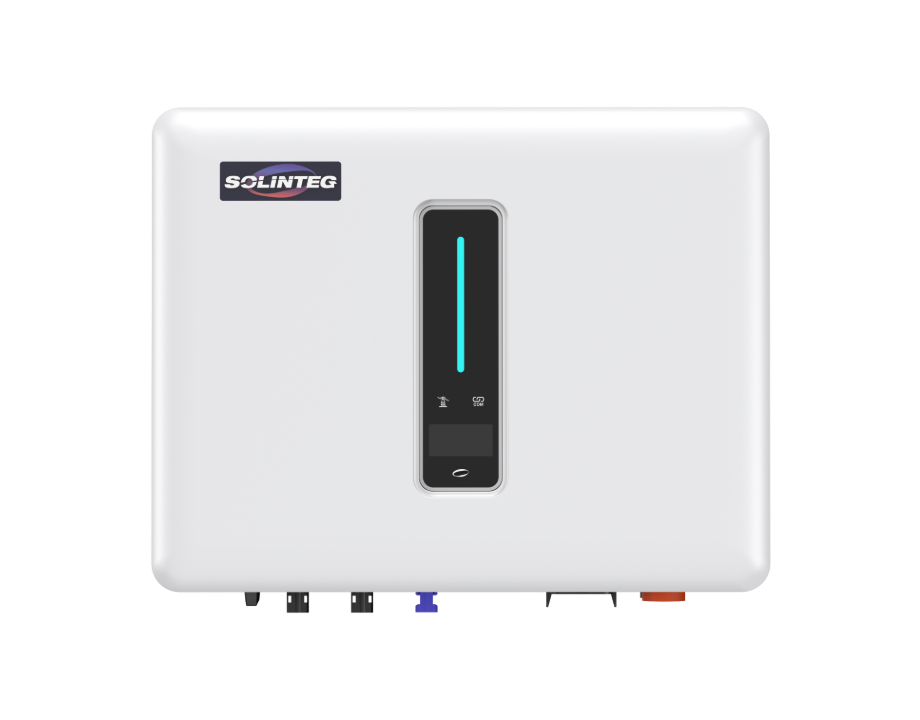
– Hybrid inverter systems (battery + inverter integrated): simplify commissioning and lower balance-of-system costs, but limit flexibility if you later swap battery chemistries.
Business drivers that should guide your pick
Decisions cluster around three things: financial signal, outage risk, and maintenance capacity. If your utility bill is shaped by demand charges, lithium-ion plus smart controls usually wins. If you need guaranteed multi-hour backup for production continuity, consider flow or stacked lithium with larger inverter capacity. Also factor in inverter sizing and state of charge (SoC) strategies—those determine how your system performs under real loads, not just on paper.
Common mistakes to avoid — short and real
People often oversize storage for perceived future needs, or underspec the inverter and then can’t serve critical loads during an outage. Others skip a proper site energy audit and buy a “one-size-fits-all” solution. — A tiny commission-free tip: match battery chemistry to the actual duty cycle, not the sales brochure.
Comparison checklist — quick pragmatic metrics
Use these to compare vendor offers side-by-side:
– Round-trip efficiency and expected cycle life at your target depth of discharge. Lower efficiency bleeds revenue over time.
– Inverter continuous vs peak rating and whether the system supports seamless islanding for your critical loads.
– Warranty terms tied to usable throughput (kWh cycled) and calendar years, not vague “years” claims.
Alternatives and hybrid approaches worth considering
Don’t assume a single battery solves everything. Some sites pair small batteries for instant response with larger thermal or fuel-based backups for long-duration events. Others use demand response programs to monetize capacity when they can afford to discharge less. Integration with building controls often yields the biggest operational gains—automation that coordinates HVAC, lighting, and storage cuts peak demand without added hardware.

Advisory: three golden rules for evaluation
1) Measure expected revenue streams: demand charge savings, resilience value, and participation in utility programs—model these over the warranty period. 2) Verify system-level specs: inverter sizing, round-trip efficiency, and demonstrated cycle life at your chosen depth of discharge. 3) Confirm serviceability: local installers, spare parts cadence, and firmware update policies—downtime costs money.
Closing thought and how SOLINTEG fits
Pick systems that match measurable site needs, not marketing flourishes—SOLINTEG helps stitch those pieces together so solar and storage actually pay back. —