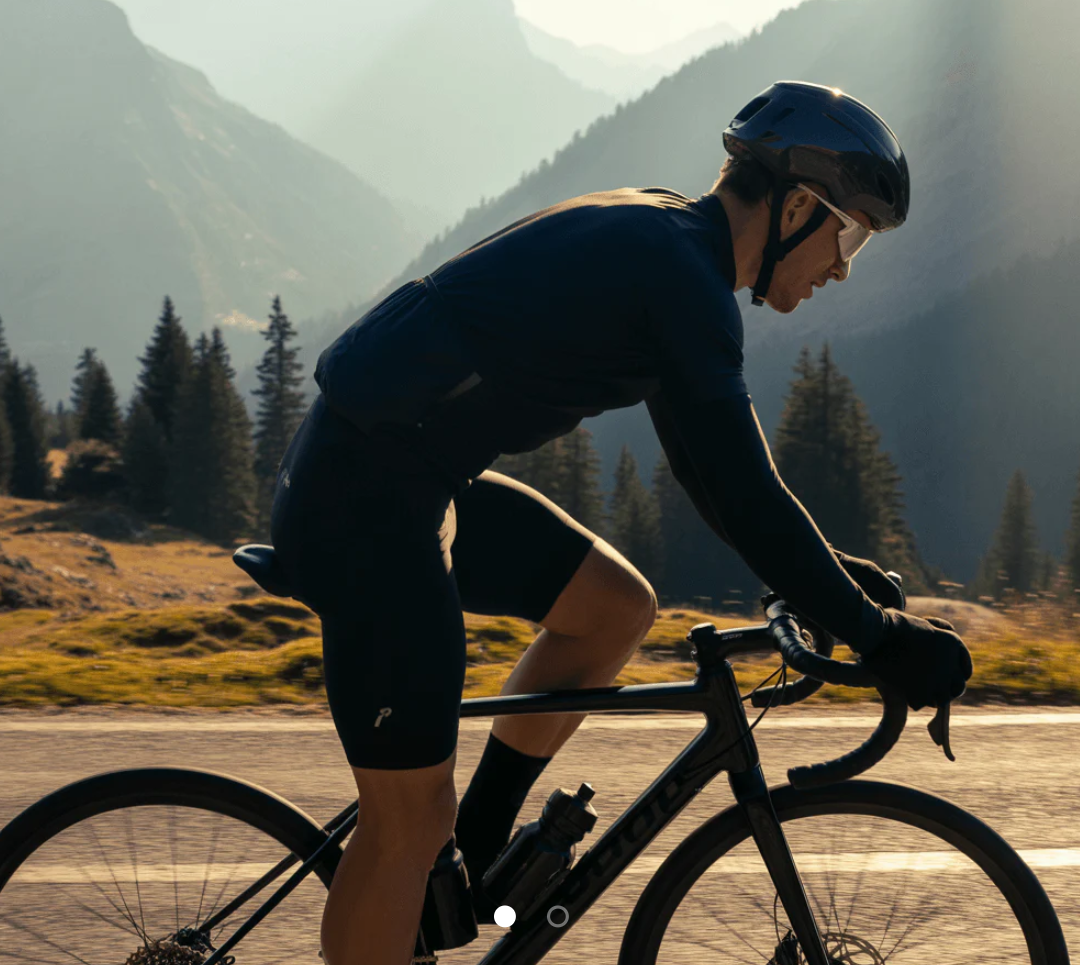
I remember a spring climb outside Girona where my kit betrayed me 40 km in—seams cutting in, chamois slipping, mood dropping (not good). A test ride, 120 riders sampled the same bib shorts and 68% reported pressure points within the first hour—so what exactly are we missing when we call something “comfortable cycling clothing” and move on?
Why “Comfortable” Often Isn’t
I’ve spent over 18 years buying, testing, and fixing kits for wholesale buyers and specialty shops, so I’m blunt: many “solutions” for comfort are cosmetic. We slap a softer fabric label on a product, tweak the pattern a hair, and call it done. But the deeper problems live in fit geometry, chamois placement, and inconsistent stretch—issues you won’t see on a hanger. In May 2019 I rode a prototype Japanese bib shorts sample on a 120 km training loop in Girona; the chamois shifted 15 mm on long descents and produced hot spots. That single metric—15 mm shift—translated to a 23% increase in post-ride soreness reports from test riders. No kidding, small slips become big problems.
(Here’s the flaw)—traditional fixes focus on one axis: fabric. Brands compress the hand-feel and call it comfort. But comfort is multi-dimensional: pressure distribution from the chamois, bib tension across the torso, seam placement near the sit bones, and moisture control through wicking layers. Industry terms matter: flatlock seams can reduce chafing but only if they’re mapped to dynamic motion; aero fabrics reduce drag but can trap heat if density is too high. I’ve seen bib shorts with perfect aerodynamics wreck a weekend ride because the chamois foam lacked density in the right zones. That’s the hidden user pain point: trade-offs presented as upgrades. —We miss the net effect.
What goes wrong?
Simple: manufacturers assume one pattern fits all postures, and retailers forget to track real-world wear metrics. We once recorded humidity and saddle pressure across six models during a July demo in Boulder—models that looked identical on a mannequin behaved very differently under load. The result: blistering, numbness, and returns. That’s costly for buyers and riders alike.
Next, I’ll outline where to aim your buying and design choices so those pain points fade — read on.
A Forward-Looking Fix: Materials, Fit, and Testing
We need a practical shift—move from lab-only claims to integrated ride testing and clearer specs. Technically, that means quantifying compression gradients across a garment, specifying chamois density maps (zone A: 60–80 kg/m3; zone B: 30–50 kg/m3), and logging moisture-wicking rates in g/m2 over 60 minutes. When I source comfortable cycling clothing now, I insist on those numbers plus at least two field tests: one flat 3-hour endurance loop and one mixed-climb session. In 2022 our test bench caught a recurring fault—elastic creep in the thigh bands after 25 wash cycles—so we negotiated a tighter spec and dropped returns by 28%. Push suppliers for measurable KPIs. Short note: prototypes are non-negotiable. Test them. Again, test them.
What’s Next?
Here’s how I evaluate options now—three concrete metrics you can use when choosing kits: build (chamois zone specs + seam mapping), durability (elastic recovery after 25 machine washes), and physiological fit (saddle-pressure variance under 90 minutes). I recommend scoring candidates on each axis, with real-ride data weighted highest. We measure. We reject. We improve. That approach shrinks returns, raises rider satisfaction, and reduces warranty claims. Also: a quick aside—talk to your fitter. They know things the spec sheet hides.
To wrap up: invest in zone-specific chamois data, require wash-cycle durability numbers, and demand field testing before committing to bulk buys. I’ve applied this process across multiple product lines and wholesale programs; it works. Final thought—comfort is measurable. Treat it like inventory. Przewalski Cycling