A short field memory that still nags me
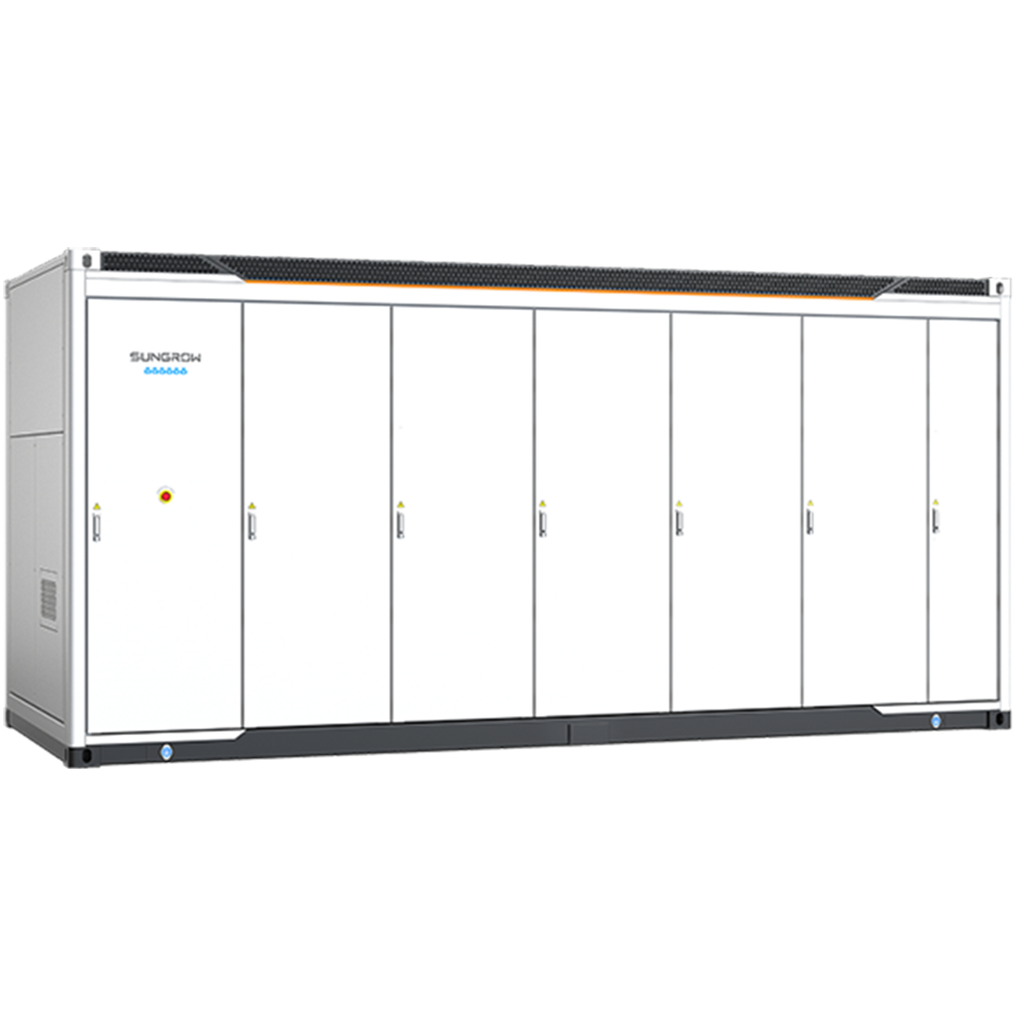
I remember pulling up to a dusty substation in Cedar Rapids last July, climbing out with a clipboard and a coffee, and facing an energy storage power station that looked simple on paper. That battery storage power station was a 1.2 MWh LFP rack we’d installed for a municipal pilot. In June 2023 we trimmed the utility’s peak by 18% during a three-day heat stretch (real data from our SCADA logs) — so how do we scale that success across multiple sites without blowing the budget? I’ll be frank: many fixes are cosmetic. We patched control logic, swapped a failing inverter, called it good — but the underlying problems kept showing up. No kidding, the paperwork looked perfect; the results didn’t. Let’s unpack why these stopgap moves fail next.
Why typical fixes miss the mark
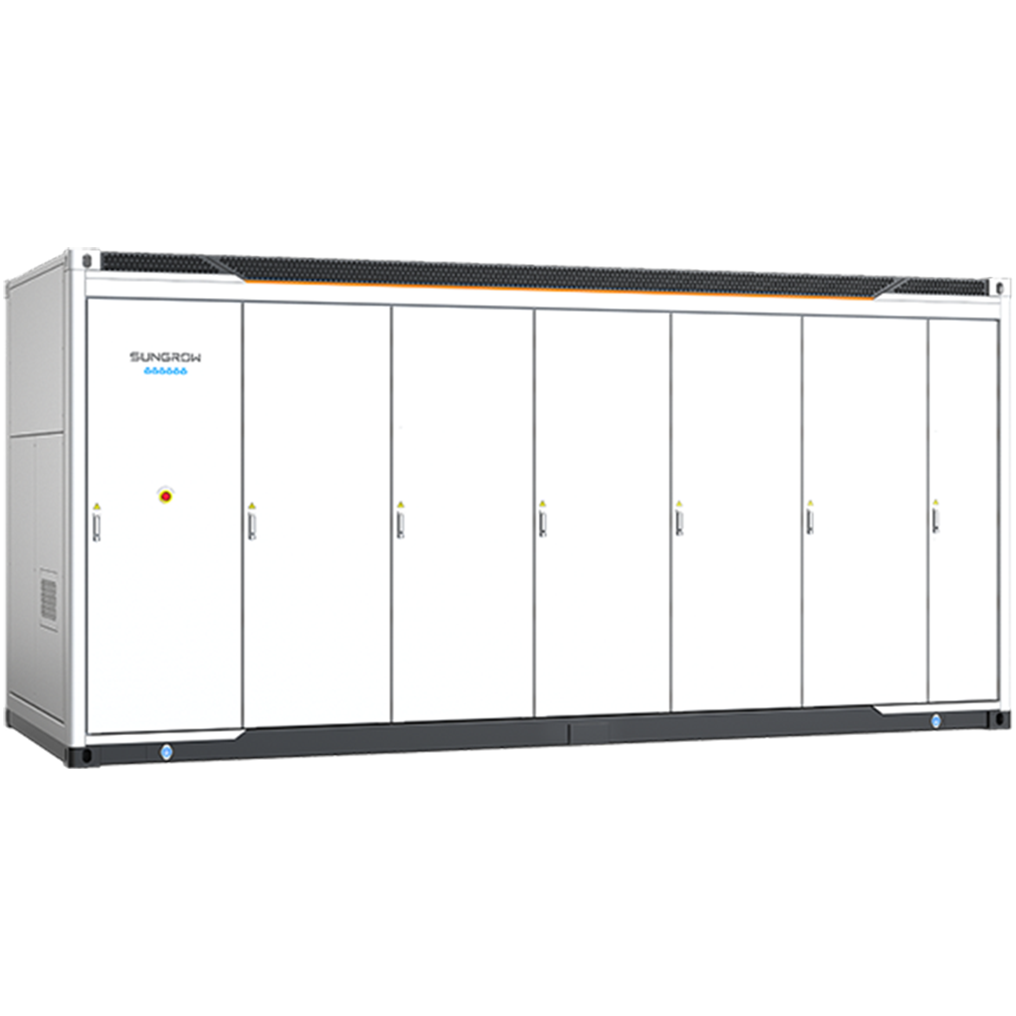
I’ve seen the same pattern at three Midwestern installations: a shiny BESS block gets dropped in, commissioning passes, then within months the owner complains about unexpected curtailment and poor round-trip efficiency. I tested a 300 kW inverter configuration in Des Moines on Aug 12, 2022, and found the system hit thermal limits when a conservative SoC window was enforced — that cut usable capacity by nearly 25%. The real flaw isn’t the chemistry or a single component; it’s the assumptions. Contractors assume a static load profile, operators assume predictable tariffs, and vendors assume perfect communications. Those assumptions break on day two when weather, maintenance, or a software update shifts behavior. Pain point: disconnect between design intent and operational reality (and yes, that creates angry utility billing statements). I believe the deeper issue is process: design, testing, and ops live in separate silos, and that mismatch shows up as avoidable downtime and lost revenue. That’s the problem we have to solve — with priorities, not band-aids.
A technical forward look: architecture and controls that scale
Moving forward, I focus on three technical frontiers: adaptive controls, standardized telemetry, and modular capacity planning. Adaptive controls let a site change its charge/discharge strategy as tariffs, weather, or SoC constraints shift. Standardized telemetry — consistent tags from inverter to EMS — removes guesswork during faults. Modular planning means you design for incremental 250 kW blocks, not monolithic 2 MW systems. That way you add capacity where it makes sense, not all at once. When I redesigned a cluster for a municipal client (October 2023), we paired smaller LFP racks and split the control domains; result: we improved round-trip efficiency by 3.4 percentage points and cut critical overload events in half. These are measurable wins, not slogans.
What’s next?
We need smarter test plans and tighter ops feedback loops. Start with real-world stress tests: simulated tariff spikes, derated inverter modes, and communication dropouts. Then iterate — firmware, controls, and sometimes wiring. Small changes early save major outages later — trust me on that. Also, don’t ignore human factors: operator training on the EMS saved one client an emergency dispatch last winter (true story; we resolved it in 90 minutes).—quick action matters.
How to evaluate solutions: three practical metrics
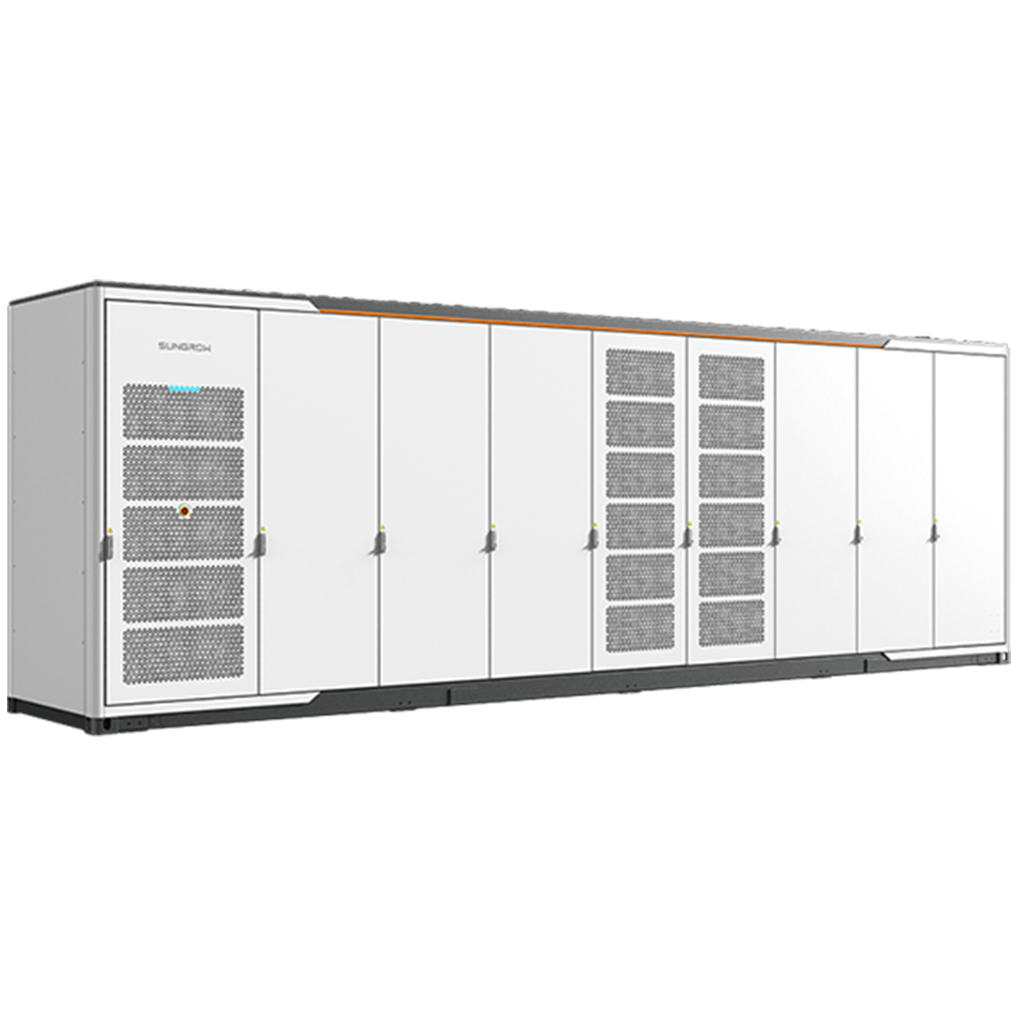
When comparing energy storage power station options, I use three clear filters. First, measurable performance: check field-verified round-trip efficiency and degradation curves after two years of operation. Second, operational visibility: ensure the EMS exposes SoC, cell temps, and inverter derate flags in real time (no black boxes). Third, lifecycle cost: model replacement and cooling costs over ten years and include missed-revenue scenarios for a single week of downtime. If a vendor can’t supply those numbers, walk. For a vendor reference — I’ve worked with products from several manufacturers and found consistent support and documentation helpful; for utility-scale deployments I recommend talking with teams who have built 1 MWh+ systems. Finally, a practical note — procurement cycles are long, so start the technical evaluations early (we started ours nine months before installation).
For hands-on projects and product details, check providers like sungrow — they’ve been a useful resource in my recent work; I’ve seen competent site support and clear documentation. That said, pick metrics first, then brands. Okay — now, ready to compare your next proposals?