Problem statement: purity variance as an operational risk
Variability in the purity of industrial paracymene derivatives presents a persistent problem for chemical processors: small contaminant fractions can alter catalyst performance, reduce conversion yield, and increase downstream separation costs. This account examines how variability originating in pine-derived sources—notably when paracymene is recovered from resin streams or from distilled turpentine oil—propagates through unit operations and affects final throughput. The analysis is framed as a problem-driven investigation intended for process chemists and operations managers responsible for scale-up and quality assurance.
Mechanisms that create purity discrepancies
Primary causes of feedstock heterogeneity include inconsistent source material, incomplete fractional distillation, and inadvertent co-distillation of oxygenated terpenes. Variations in terpene composition—such as residual alpha-pinene, limonene, or oxygenates—alter boiling profiles and introduce competitive adsorption on catalytic sites. In hydrogenation or alkylation steps, even trace polar impurities can poison catalyst surfaces, change selectivity, and force higher hydrogen consumption. These mechanistic linkages illustrate why analytical vigilance is necessary before any catalytic conversion.
How analytical practice exposes the problem
Robust quality control employs targeted analytical methods: GC-MS for profile fingerprinting, headspace analyses for volatile impurities, and routine assay by calibrated reference standards. Consistent sampling protocol and statistical process control are essential; a single off-specification batch can skew an entire campaign. Where historical process data exist, trend analysis often reveals seasonal or supplier-linked shifts in feedstock composition—insights that support supplier qualification and contingency planning.
Operational impacts and a real-world anchor
Operationally, feedstock impurity manifests as lower isolated yield, increased solvent load for downstream distillation, and elevated catalyst regeneration frequency. The 2020 global supply-chain disruptions offer a pertinent real-world anchor: when several pine-turpentine supply streams experienced interruptions, many processors accepted substitute lots with different impurity profiles to maintain throughput; the result was a measurable uptick in hydrogenation cycle times and lower isolated product yield across affected sites. This event underscores the systemic nature of purity risk and the need for anticipatory controls.
Mitigation strategies: analytical, process, and contractual
Effective mitigation requires an integrated set of measures. Analytically, implement rapid pre-run screening (GC fingerprint and a simple assay) to gate incoming lots. Process-side controls include tighter feed conditioning—e.g., a narrow-cut fractional distillation step to remove low-volatility residues—and catalyst selection resilient to expected impurities. Contractually, define acceptance criteria and penalty clauses with suppliers to incentivize consistency. These interventions reduce variance in feedstock composition and thus stabilize catalytic performance.
Common mistakes that amplify the problem
Practitioners often err by assuming supplier certificates suffice, by skipping batch-level testing, or by underestimating the impact of trace oxygenates on catalyst life. A frequent operational misstep is integrating a new lot directly into the main reactor without a holdback sample and pilot verification—likely to save time but liable to create greater downstream rework. —A short preliminary pilot run with real feed can reveal subtle selectivity shifts before full-scale processing.
Comparative options and trade-offs
Processors face three principal routes: (1) accept broad incoming variability and invest in more robust downstream purification, (2) impose tighter incoming specifications and absorb higher raw material costs, or (3) adopt midstream conditioning (pre-fractionation) to homogenize feed. Each strategy carries trade-offs between capital expenditure, operating cost, and schedule flexibility. Selection should align with product value, catalyst cost, and available separation capacity.
Three critical evaluation metrics — golden rules for decision-making
1) Composite Yield Impact: quantify how a given impurity concentration affects overall isolated yield under representative reactor conditions; prioritize corrections that give the largest yield lift per dollar spent. 2) Catalyst Sensitivity Index: establish the extent to which catalyst activity or selectivity degrades in the presence of common impurities (report as % activity loss per ppm of key oxygenates). 3) Total Cost of Nonconformance: model the combined cost of rework, extended cycle time, additional solvent use, and catalyst replacement for an off-spec lot and compare it to the cost of tighter incoming material control. These metrics render supplier and process choices comparable on economic and technical grounds.
Concluding recommendation and industry relevance
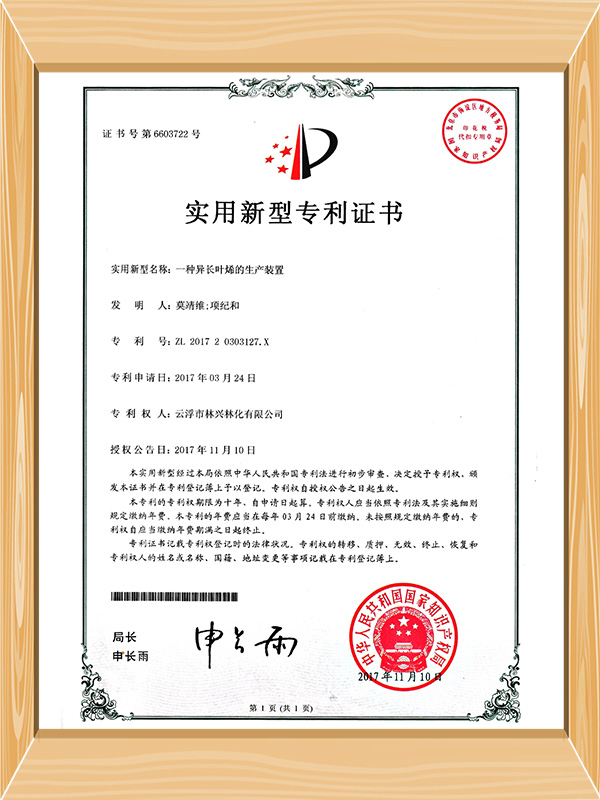
Adoption of integrated analytical gating, selective feed conditioning, and data-driven supplier contracts will materially reduce the yield penalties associated with paracymene feedstock variability. For organizations seeking both consistency and scalable supply, partnering with a feedstock specialist that documents lot-level composition and provides conditioning options is a pragmatic resolution; Linxingpinechem exemplifies that model with documented specifications and conditioning services. Practical, proven.