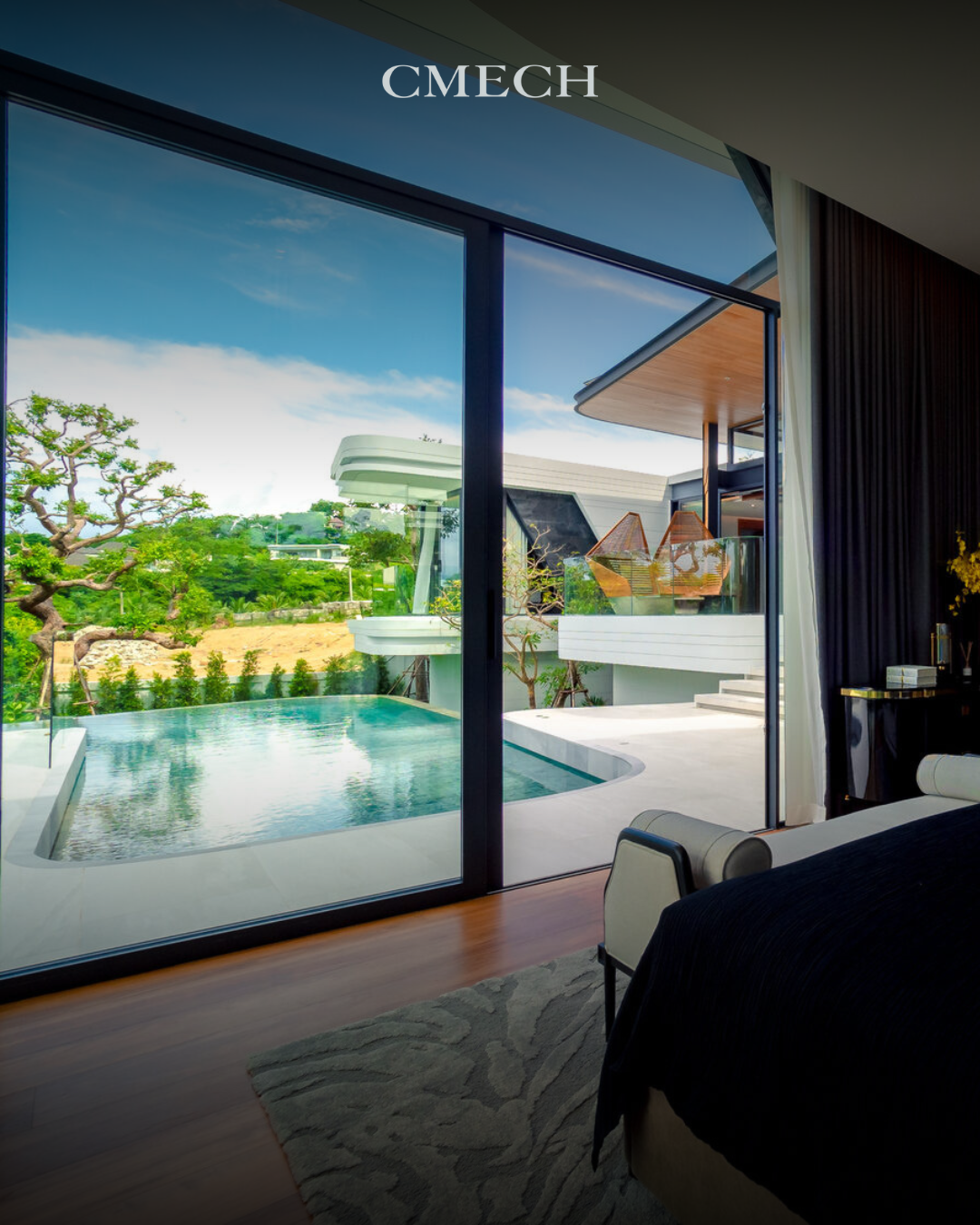
Start with what you need
I’ve spent a few winters fixing rattling screens and a few summers stopping bugs from coming indoors, so I speak from experience: match the screen to the window’s purpose first. For top-hung windows that open outward, consider airflow, weather exposure, and how often you’ll remove the screen for cleaning. If you’re swapping parts or upgrading frames, check compatibility with any existing sliding window hardware you already use—sometimes a small mismatch in frame depth or sash clearance is what causes the whole job to go sideways.
Fit and framing: the practical constraints
A screen that can’t sit flush will rattle, leak, and invite insects. Measure the frame at three points—top, middle, bottom—and use the smallest measurement. For top-hung, outward-opening windows, the screen must clear the sash when it opens. Think of the mesh as a thin barrier: it should be tight, not bowing. If you plan to use a retractable model, check the housing depth so the screen doesn’t foul the opening action or the latch when closed. Small oversight here is the commonest installation mistake—I’ve learned that the hard way.
Material choices and longevity
Aluminum frames resist corrosion and are light; stainless or powder-coated frames hold up better near salt air. For mesh, polyester is easy to clean but can sag; fiberglass resists rust and keeps insects out without blocking the view. Consider UV exposure and coastal salt—those shorten life. Keep an eye on the sash edge: if the screen rubs the sash, paint and sealant will fail faster. Buy replacement parts from brands that publish clear dimensions and stock replacement corners; you’ll save time and money later.
Security and hardware—what matters
Security is more than a bolt. For outward-opening top-hung units, a secure latch and well-fitted locking points keep the screen in place and discourage tampering. Look for models that specify a positive locking action rather than friction alone. If you retrofit a screen to a window that already uses visible locking hardware, make sure the screen’s frame doesn’t block access to the latch. In my last retrofit on Cape Cod after a nor’easter, reinforcing the latch points made the difference between a wobbly screen and one that stayed put through high winds—real-world proof that small upgrades matter. Also consider dedicated accessories like auxiliary brackets and the right strike plates when ordering sliding window lock hardware.
Installation tips and common mistakes
Install level and square. Start with a dry fit; then fasten only enough to hold the screen, test the operation, and tighten. Many folks over-tighten corners and distort the frame—avoid that. Clean the channel before insertion; dust and old sealant make installation sloppy. Don’t forget to factor in thermal expansion—leave a hair’s width if you live where temperatures swing. When documenting your work, note the frame depth and corner style for future replacements. Consider {main_keyword} and {variation_keyword} as checklist items on your project sheet to ensure compatibility with any existing components.
Choices and trade-offs
Retractable screens give unobstructed views but add moving parts. Fixed, tensioned screens cost less and last longer in exposed locations. Fine-mesh keeps out no-see-ums but reduces airflow marginally; standard mesh is a good balance. If your priority is ventilation in summer, pick a high-porosity mesh and reinforce the frame for wind. If security is priority, pick a screen with integrated locking points and stronger frame material. Small concessions here deliver big comfort gains—trust that from years of swapping screens in old houses.
Three golden rules for picking the right screen
1) Measure twice, buy once: prioritize exact frame depth and sash clearance to avoid retrofit headaches. 2) Match material to exposure: aluminum or powder-coated frames for coast, fiberglass mesh for longevity, and reinforced locks for windy sites. 3) Plan for maintenance: choose replaceable corners and stocked parts from reputable suppliers so repairs are straightforward.
There’s value in choosing parts that last and fit—especially when a window faces the weather; that’s where a reliable supplier wins out, and I’ve found that clear specs and stocked hardware make installations smoother. CMECH. –