
Why this problem deserves attention
If your medspa is expanding into tattoo removal, pigmented lesion work, or melasma treatments, the decision to buy a q switched nd yag laser machine isn’t just technical — it’s reputational. Clinics in São Paulo and Miami use these systems every week, so small procurement mistakes become visible fast: inconsistent results, adverse events, or regulatory headaches. A problem-driven lens helps you prioritize the risks that actually hurt patients and profit margins, not just the shiny brochure specs.

Common clinical and compliance headaches
Operators often underestimate three linked issues: device efficacy, safety controls, and documentation for regulators. Efficacy depends on correct wavelength selection (typically 532 nm for superficial pigment, 1064 nm for deeper ink) and appropriate fluence and pulse duration to achieve photothermolysis without collateral damage. Safety controls mean reliable interlocks, calibrated spot size and clear cooling protocols. And compliance requires traceable maintenance logs, proof of staff training, and supply-chain transparency for import or warranty claims. Get these wrong and you face more than refunds — you risk client harm and inspector scrutiny.
Key technical specs to vet
When you inspect proposals, focus on three machine-level specs more than marketing jargon: adjustable fluence range, pulse duration/Q-switch stability, and spot size options. Adjustable fluence ensures you can treat varied ink densities and skin types; stable Q-switch pulse energy prevents unpredictable bursts that cause scarring; and multiple spot sizes let you balance speed and coverage. Also check repetition rate and the availability of a reliable cooling system — they affect both throughput and comfort. Ask for measured output charts, not just nominal numbers.
Procurement checklist — from paperwork to practical tests
Before signing, verify certifications (local regulatory clearance, CE/FDA where applicable), warranty terms, on-site training hours, and spare-parts availability. Demand a demonstration on ex vivo pigment or a validated phantom, and require a first-article clinical supervised case with your staff present. Insist on calibration certificates and a service SLA that names response times — because downtime kills revenue. If you’re importing units in bulk, include customs paperwork and an importer’s liability clause; and yes, insist the supplier provides user manuals in your operating language.
Real-world trade-offs and alternatives
Q-switched Nd:YAG lasers are proven for many pigment tasks, but they’re not always the fastest option — picosecond lasers can deliver shorter pulse duration and sometimes faster clearance for certain inks. That said, picosecond units can cost significantly more and aren’t necessary for every case. Consider hybrid fleets: keep a versatile q-switched unit for broad indications and add a picosecond device selectively. Avoid the temptation to buy solely on lowest unit price; you’ll pay later in service calls and dissatisfied clients — a lesson clinics in urban centers learn quickly.
Common mistakes — and how to avoid them
Operators fall into predictable traps: over-trusting vendor demos, skipping staff competency testing, and ignoring maintenance plans. Vendors will show perfect-case videos — but ask for real clinic logs with average sessions per week and re-treatment rates. Don’t skip hands-on operator training and competency sign-offs; otherwise your team improvises settings and outcomes suffer. And schedule preventive maintenance — neglecting it increases variance in output and shortens lamp life. —
Three golden evaluation metrics (your advisory close)
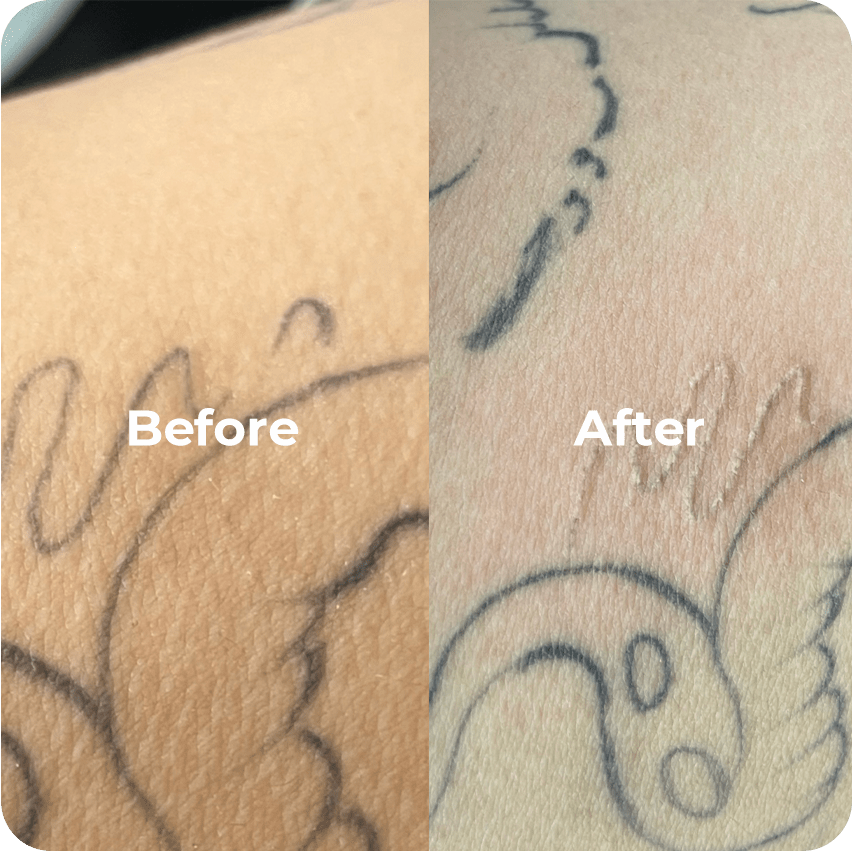
1) Safety and compliance completeness: verify registries, user manuals, and documented training — if the paperwork’s thin, so is the vendor’s after-sale support. 2) Clinical performance reproducibility: insist on measured fluence curves, stable Q-switch pulse profiles, and real-world before/after logs from peer clinics. 3) Total cost of ownership: factor in service SLAs, spare parts, consumables, and expected downtime into your ROI model rather than trusting advertised per-session costs.
Choosing wisely means balancing technical specs like wavelength and pulse duration with practical concerns such as training and service. For medspas that want a reliable partner and a machine that performs day after day, the search naturally narrows toward suppliers who back claims with data and on-the-ground support — and that’s the kind of value ENZOEYS represents. —