Introduction: A Question That Matters
Have you ever wondered why some flocks still lag in health despite brighter houses? I see this on farms all the time — producers chase lumen counts as if brightness alone solves everything. Broiler lighting is often reduced to a single number, but the reality is messier: studies show inconsistent growth and higher mortality in operations that ignore timing and spectrum (small farms included). So where does that leave us — is more light really the answer, or have we missed a layer of control that matters? I’ll walk through the scenario, share hard data, and then ask what we should change next. — let’s move into the flaws behind the simple fixes.

Part 2 — Technical Look: Why Traditional Solutions Fall Short
I’ll start with a clear frame: a broiler lighting program isn’t a lamp and a timer. It’s a system that must manage photoperiod, intensity, and spectrum to match bird biology and barn logistics. Many older setups use fixed timers and uniform output. That sounds fine until you inspect the day-to-day: birds get stressed by abrupt shifts, feeders miss cues, and energy use spikes. From my visits, I’ve seen farms replace bulbs but keep the same crude schedule — results barely budge. We need to think in layers: light timing, spectrum tuning, and gradual ramping. Those are not buzzwords; they’re practical controls.
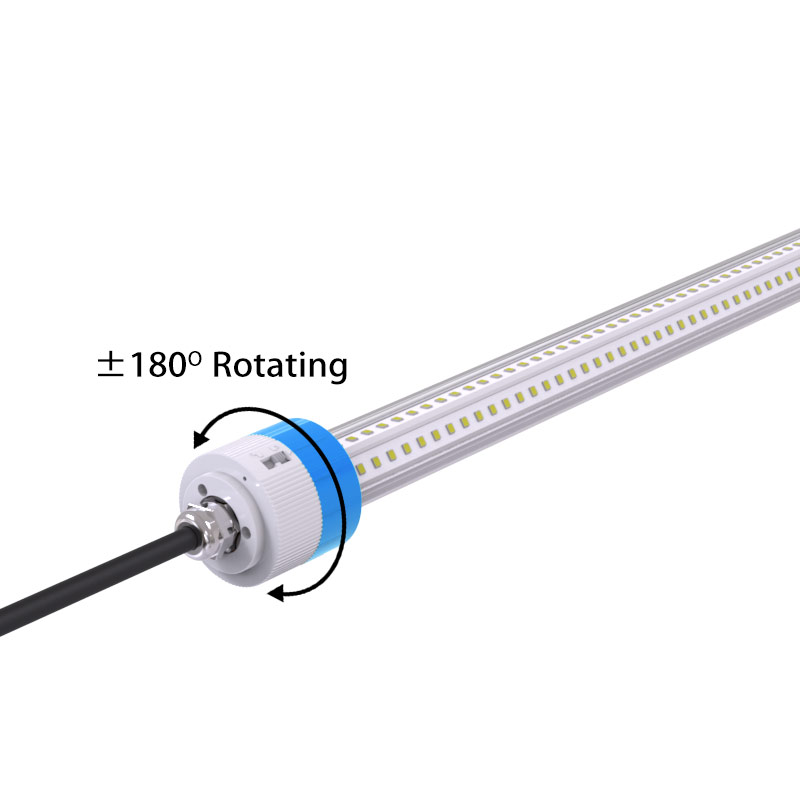
Technically, the flaw shows up in three ways. First, uniform schedules ignore age-specific photoperiod needs, which hurts early growth. Second, fixed-spectrum fixtures can suppress or over-stimulate activity at the wrong times. Third, poor control of LED dimming and power converters creates uneven barns — dark corners, bright zones, stressed flocks. Look, it’s simpler than you think: calibrate for age and behavior, and you avoid a lot of downstream problems. I know farmers who call it a game changer — funny how that works, right?
So what actually breaks down on the farm?
When lights are one-size-fits-all, you get uneven weight gain, more bruising, and wasted feed. Farmers tell me they spend time patching problems that smarter lighting would prevent. We’re fixing symptoms, not causes.
Part 3 — New Technology Principles and a Practical Path Forward
Looking ahead, I favor principles over products. A next-gen broiler lighting program applies adaptive schedules, spectrum tuning, and simple automation to match bird age and farm rhythm. That means lights that shift gradually (not a sudden on/off), LED dimming that mimics dawn and dusk, and easy presets for starter, grower, and finisher phases. These principles reduce stress, improve feed conversion, and cut energy bills. I’ve helped teams pilot setups where behavior improved in days — that surprised everyone involved.
In practice, start small: retrofit zones, test a photoperiod change for one flock, measure feed intake and behavior. Use basic metrics to judge impact — weight uniformity, mortality rate, and energy per bird. You don’t need complex computing; edge computing nodes can be handy, but good results often come from thoughtful schedules and reliable fixtures. The point is practical: pair sensible hardware with clear rules, and you’ll see steady gains — rather than chasing quick fixes that fade.
What to watch next
Here are three evaluation metrics I recommend when choosing a lighting solution: 1) behavioral response (are birds calmer and feeding predictably?), 2) production uniformity (variation in bird weights), and 3) energy efficiency per kg of gain. Those three tell you whether a system is truly working. I advise teams to test for a full cycle, compare data, and then scale the changes. We learned this the hard way; trust the metrics, not the marketing. — I mean it.
To wrap up, I’ll say this plainly: brighter is easy, smarter is harder — but smarter pays off in bird welfare and farm bottom line. If you want hands-on options that respect both biology and operations, look at tested controls and phased rollouts. For tools and kits that match these principles, I recommend checking solutions from szAMB, who balance practical design and farm experience. We can get better light and better flocks without overcomplicating things.