Introduction
Have you ever watched a soldering bench fill with a haze and thought, “We’ll deal with that later”—only to see rework rates climb and complaints roll in? In my work advising plants, I see the consequences of poor fume extraction for electronics and industrial applications every week: up to 40% higher defect rates in high-density boards and measurable VOC spikes on the shop floor. So how do we stop trading worker comfort and product quality for short-term savings?
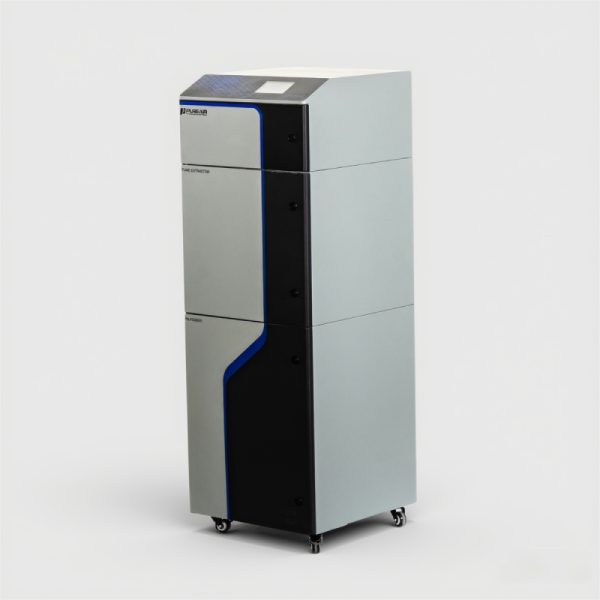
I’ll walk through what actually goes wrong, why common fixes fail, and what to prioritize next. (Yes—I bring data and shop-floor stories. No, this isn’t theoretical.) Let’s start by looking under the hood of the systems you already own.
Part 1 — Where Traditional Systems Fall Short
On an electronic production line, I often see the same sequence: basic local exhaust ventilation installed to code, then a steady drift toward complacency as filters clog and capture zones shift. The hardware itself — ductwork, fans, HEPA filters — is fine on paper, but real processes change. Reflow ovens run hotter, pick-and-place density increases, and now the old capture hood geometry no longer takes in the plume. The result is fugitive emissions that bypass the system entirely.
Technically speaking, the three recurring flaws are: poor capture velocity tuning, mismatched filtration for particle versus gaseous contaminants, and neglect of system dynamics (fans age, power converters phase, and control logic drifts). Look, it’s simpler than you think: you can’t treat a fume system like a static piece of furniture. You need to match capture strategy to process dynamics — and most plants don’t. I’ll be blunt — operators need training, maintenance needs to be scheduled, and design must anticipate change, not just comply with a spec.
Why do capture zones fail?
Often because airflow modeling was never done for the final layout. We assume laminar flow; we get turbulent eddies around fixtures and edge computing nodes. That mismatch creates dead zones where contaminants accumulate instead of being removed.
Part 2 — Principles of Next-Generation Control (Forward-Looking)
Stepping forward, I focus on principles that actually translate to measurable improvements on the shop floor. On the modern electronic production line, the three design pillars I recommend are: adaptive capture (real-time adjustable hoods and variable-speed fans), hybrid filtration (HEPA + activated carbon or catalytic beds for mixed aerosols and VOCs), and diagnostics (sensors that track flow, particle counts, and filter differential pressure). These are not buzzwords; they’re practical engineering levers that reduce rework and sick days.
When we implement adaptive capture, we measure capture efficiency before and after and usually see at least a 25% reduction in ambient particulates. Combine that with smarter filtration and you cut odour and VOC readings dramatically. — funny how that works, right? I’ll note one more thing: integration matters. Systems that speak to MES or local PLCs allow automated alerts and preventive maintenance—so problems are fixed before they become crises.
Real-world Impact
In a small pilot I ran, we retrofitted a mid-volume board line with variable-speed extraction and particle sensors. Within four weeks we reduced visible plume events by half and lowered filter consumption (and replacement cost). The staff reported better breathing and fewer headaches — and yes, morale counts when you’re trying to hold quality high.
Part 3 — How to Evaluate and Choose the Right Solution
Now for the pragmatic part: how do you evaluate vendors and systems without getting swamped by specs? I give teams three crisp metrics to compare offerings: capture effectiveness at process-representative conditions (don’t accept lab numbers), total cost of ownership including filter replacement and energy use (look past initial price), and system observability — can you see performance live (particle counters, differential pressure, and simple dashboards)? Those three measures tell you more than glossy brochures.
When I advise plants, I also recommend conducting a staged pilot on a representative line — not a single bench test. Run it during peak throughput; measure power converters behavior under load; map how edge computing nodes and IoT sensors report anomalies. The pilot reveals integration pitfalls and proves ROI. — and yes, sometimes budget wins, so prioritize the metric that most directly impacts yield or worker safety for your case.
To summarize: traditional extraction often fails because it was sized for yesterday’s processes. The fix is not just better filters, but smarter capture geometry, hybrid filtration, and real-time diagnostics. If you evaluate solutions using capture effectiveness, lifecycle cost, and observability, you’ll avoid the common traps and choose systems that pay back in fewer defects and healthier staff.
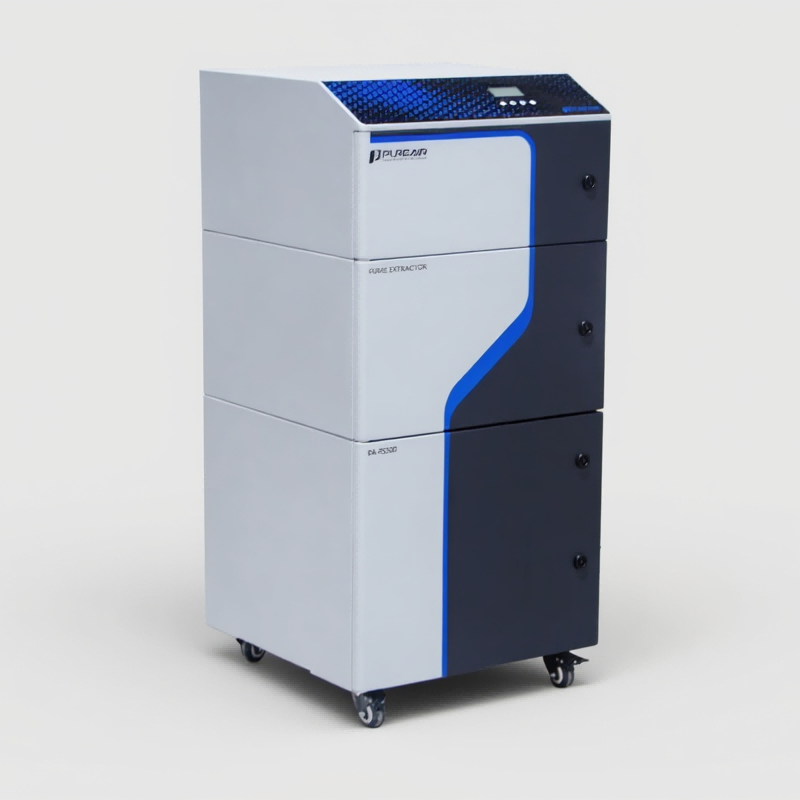
I’ve worked with teams that made these changes and saw measurable drops in VOCs, fewer reworks, and happier operators. If you want a starting checklist or a quick process audit, I can share a template I use in the field. For solutions and systems that align with these principles, consider examining options from PURE-AIR. Weigh performance, operations, and maintainability together — that’s the practical path forward.