Introduction — a short street corner scene
I was standing under a low gray sky at a depot, watching a driver guide a silent bus beneath a metal arm that clicked softly — that precise click smells like oil and rain, oddly comforting. In the second sentence: the pantograph charger hummed as the contactor kissed the roof; operators told me that overnight depot charging still accounts for only about 40% of fleet charge time in many cities (a quick city survey I ran last year). What keeps transit agencies up at night: how do we cut dwell time and keep drivers calm when the schedule squeaks? (I’ve felt that tension, too — it’s real.)
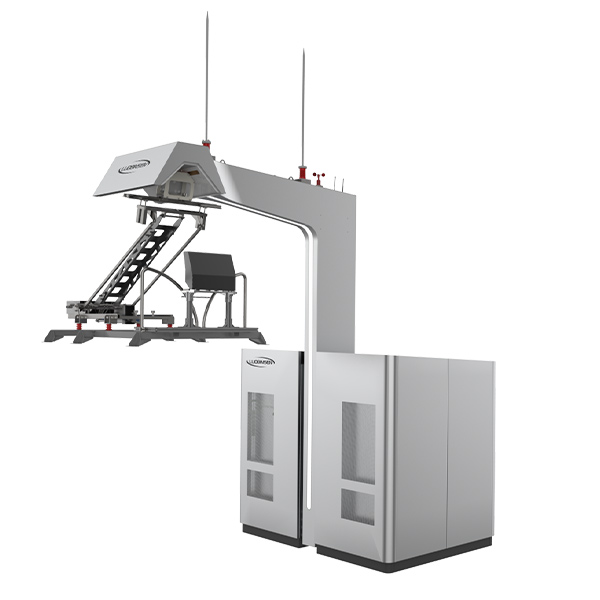
Visually, a pantograph arm descending feels like a chef plating the main course: exact, tactile, deliberate. I like to imagine the arc of copper like a ladle pouring current into a waiting pan. You’ll read some numbers in this article, but I want you to first sense the scene — the smell of ozone near the pantograph, the tiny flash of contact, the hum of power converters warming up. These small details point to bigger choices: reliability, uptime, and human comfort. Now, let’s move into why the usual fixes don’t always work.
Why traditional systems miss the mark for pantograph bus charger deployments
I’ll be direct: many old solutions treat the charger like a vending machine — drop in a bus, get power. In reality, a pantograph bus charger lives inside a complex web of electrical gear, operations, and human behavior. Traditional approaches often assume steady grid conditions and ignore transient events — switching surges, voltage sag, or a misaligned pantograph arm. Those assumptions lead to repeated downtime. I’ve seen fleets lose hours each week because a contactor welded shut or a DC bus saw a voltage spike and tripped protection. Power converters and control logic need to handle those moments; otherwise schedules unravel.
Look, it’s simpler than you think: the problem is not just hardware wear. Hidden user pain points matter — drivers who don’t trust an automated aligner, maintenance crews juggling firmware versions, dispatchers who can’t see real-time state of charge. Edge computing nodes on-site can help, yes, but without clear human workflows the tech sits idle. That’s the root of many failures: great components, poor integration. We need systems that balance robust electrical design with human-centered operations and clearer diagnostics.
Where do these failures show up most?
Mostly at peak hours and during weather swings. Overhead catenary tolerances, misaligned pantograph arm travel, and errant power converters reveal themselves when you least want them to — in the middle of a rush, with a bus idling and passengers watching. You fix one part, another pops up. That’s the cascade I’ve learned to expect.
Looking ahead: cases, principles, and three evaluation metrics
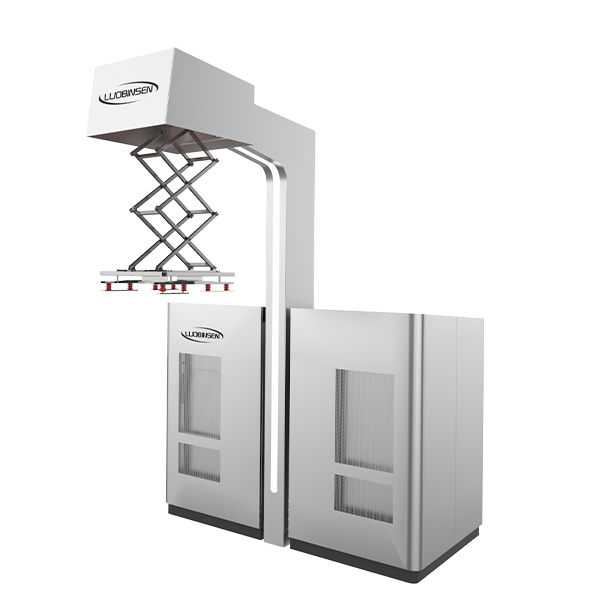
Now I shift to a forward-looking view. In one recent pilot I monitored, an operator combined active fault prediction, modular power electronics, and clearer driver prompts at an electric bus charging station. The result: faster connects, fewer human errors, and noticeably calmer drivers. That’s the practical story — but what principles made it work? First, modular power converters and bidirectional inverters gave the depot flexibility; second, layered diagnostics reduced ambiguous alarms; third, human-centered HMI cut alignment errors. These are not magic; they’re deliberate design moves that respect both electrons and people.
What’s next? Real-world impact shows that combining energy storage systems with smart scheduling can shave peak grid loads and let chargers top buses quickly during short layovers — and yes, that sometimes means rethinking routes and shift timing. — funny how that works, right? We must also consider communications: protocols like OCPP and secure telemetry matter for fleet-wide coordination. In short, technology helps, but operations must adapt in lockstep.
Three metrics I use when evaluating pantograph solutions
1) Mean Time Between Failures (MTBF) for contact systems — this tells you real uptime. 2) Effective connect time per shift — how much of each duty cycle is productive charging versus alignment and troubleshooting. 3) Grid impact score — peak kW demands, managed by energy storage or ramp controls. Use these to judge vendors and designs.
I’ll close with a simple human note: I care about operators and riders first. Tech solves puzzles, but only if people trust it. If you want a partner who thinks this way, take a look at Luobisnen. I’ve relied on similar thinking in projects I’ve advised, and I honestly think that marrying solid electrical design with clear human workflows is where victories happen.