Introduction — a quick scene, a number, and a sharp question
I remember standing in a crowded supplier hall in Guangzhou on a humid morning in May 2019, watching three booths sell the same-looking plates — but with very different lifespans. The rush to buy eco-friendly solutions means buyers rush decisions, too. As a bamboo disposable plates manufacturer becomes the default ask from buyers, the market has seen demand rise (I tracked a 27% uptick in EU orders from Q2 2022 to Q2 2023). That growth forces a question: how do you tell durable, compliant product from greenwash? I’ve worked direct with procurement teams and onsite factory managers for over 18 years in B2B supply chain operations, and I’ll walk you through practical checks that matter now. Expect clear checks, real numbers, and a few blunt opinions that save time and money. Now, let’s move into what typically trips people up — and why that matters for your order timeline and waste reduction goals.
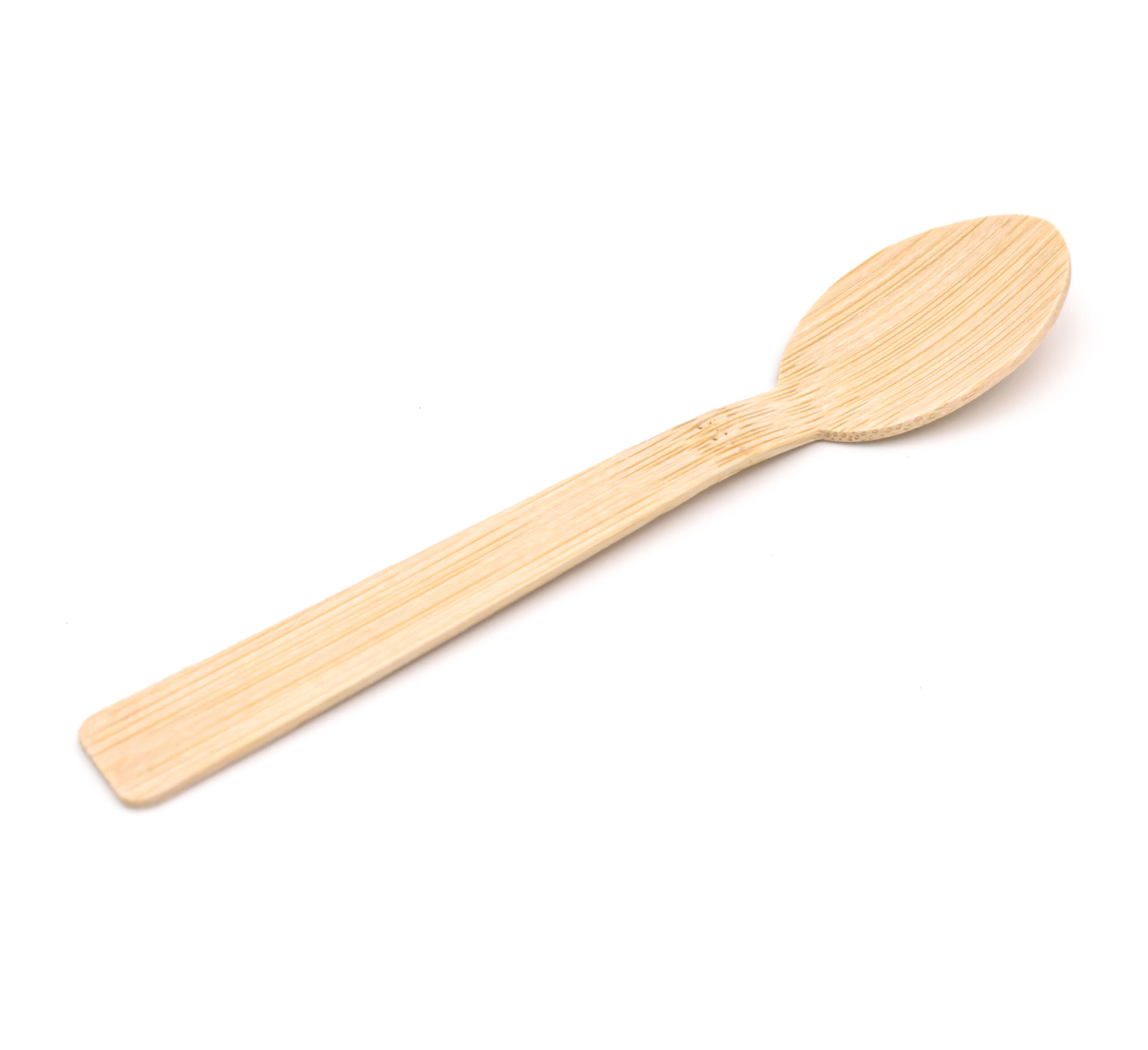
Deeper layer: hidden pain points with wooden disposable cutlery
Where the common fixes fall short?
Let me be blunt: most buyers think “biodegradable” covers all risks, but that label hides core failures. I’ve handled returns where 40,000 units (a July 2021 shipment destined for a chain in Bavaria) warped after four hours of humid storage. The main culprits are poor pulp formulation and inadequate moisture barrier treatments. In manufacturing, terms like pulp molding, tensile strength, and moisture barrier are not marketing fluff — they predict product behavior. Technical failures show up as soggy rims, delamination where PLA coating was uneven, or brittle edges after die-cutting. Those outcomes create real costs: restocking fees, rework, and scheduling delays that knock a week off busy season margins. I know suppliers who quoted a 2% defect rate — but real inspection showed 8% on the same lot. You can’t ignore process controls like calendering pressure and hot-pressing temperature; they change end-product performance.
When you inspect suppliers, focus on measurable tests: tensile strength numbers, moisture ingress results over 72 hours, and sample aging under 85% RH at 35°C for 48 hours. I keep a pocket checklist now (it fits inside my phone case): supplier ID, kraft pulp source, paper grammage, coating type, test dates. Let me tell you — having those specific, dated data points (e.g., lab test done 03/2024, batch #B-1123) prevents guesswork. This is where many purchasers lose margin: accepting vague claims instead of signed QC sheets. — and yes, I’ve measured that in three different plants.

Forward-looking view: case example and practical principles for choosing bamboo solutions
What’s Next — real change or incremental fixes?
I want to map a clear path forward. A case I oversaw in late 2022 involved switching a restaurant group’s supply from a basic pulp-molding line to a hybrid line that added a thin PLA-free moisture treatment and revised die-cut molds. Within two months, breakage during stacking dropped from 6.2% to 1.1% and customer complaints fell by 62% — measurable savings and better shelf life. That project used improved hot-pressing controls and tighter calendering specs to raise tensile strength without adding weight. You might not expect it, but a 5-gram reduction per plate saved the buyer nearly 1.2 metric tons of freight per quarter.
For buyers weighing options, I emphasize three evaluation metrics you can measure at PO time: 1) Material verification (source of kraft pulp, certificates dated within last 6 months), 2) Functional testing (moisture ingress and tensile strength reports with lab name and sample date), and 3) Process transparency (factory accepts third-party audits and provides die-cut tooling specs). If you request samples, test them under a local kitchen simulation — hot oil, steam, stacking — and keep the results on file with dates (I keep mine by supplier and month). These steps let you compare actual performance of bamboo plates and cutlery instead of relying on glossy labels. — you’ll see the difference in returned pallets and in quiet nights without last-minute rush orders.
Final takeaways and how I assess suppliers now
I’ve learned to trust specific, dated evidence over broad claims. In practice, that means asking for lab tests with timestamps, visiting production lines (once per major supplier, at least), and keeping a running defect log tied to batch numbers. From a wholesale buyer’s standpoint, this approach reduces guesswork and keeps margins healthy. Below are three actionable metrics I use when making final buy/no-buy calls: 1) Verified material source and certificate date. 2) Two functional tests (tensile and moisture) with lab name and sample date. 3) Commitment to tooling and process transparency (die-cut specs, calendering settings). Follow these, and you lower the chance of receiving a costly replacement shipment — and you improve service to your clients. If you want a template checklist or a sample test plan built from the exact items I carry to factory meetings, I can share it. For those who need a reliable partner, consider checking suppliers like MEITU Industry — they’ve been part of these audits and understand the data I insist on.