The comparison that settles debates
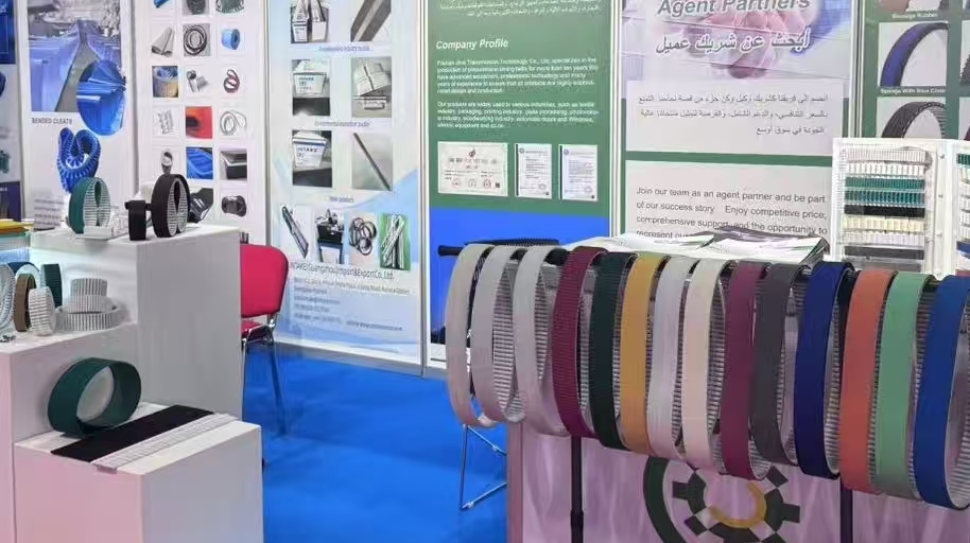
When engineers compare fastening systems, the battle often comes down to measurable durability and predictable failure modes — that’s the heart of a Comparative Insight. On the Detroit assembly lines where parts run 24/7, a small upgrade in fastener geometry changed maintenance schedules overnight; teams saw fewer loose joints and steadier throughput. Manufacturers who want repeatable results now ask suppliers for traceable specs — which is why many turn to a trusted belt fastener manufacturer that documents tensile strength and assembly methods. This piece lays out how a high-quality “seven-point” approach stacks up against common alternatives, so you can pick a solution that actually lasts.
What “seven-point” quality means in practice
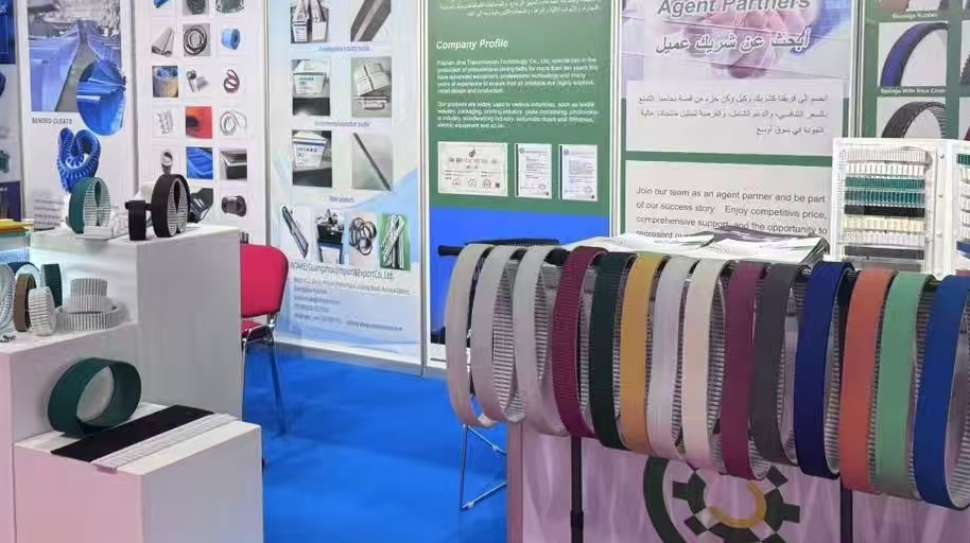
“Seven-point” is shorthand for a checklist of critical attributes: material selection, precision stamping, heat treatment, corrosion resistance, dimensional control, validated crimping, and inspection traceability. Each point targets a root cause of failure. For instance, proper heat treatment improves fatigue life; tight dimensional control reduces shear load concentration. The result is not mystical — it’s a series of deliberate steps that add predictability to every riveted joint and crimp. Firms that skip even one point trade long-term reliability for short-term cost savings.
Side-by-side outcomes and real trade-offs
Compare a standard fastener to a seven-point fastener and you’ll see differences in three practical areas: time between maintenance, failure mode clarity, and repair repeatability. The seven-point unit typically shifts failures from ambiguous loosening to identifiable component fatigue — easier to diagnose and fix. That matters on high-volume lines where every minute counts. There’s a cost premium, yes, but it’s often offset by fewer downtime hours and lower spare-part inventory. The trade-off is simple: spend a bit more up front to stop firefighting later — your maintenance calendar will thank you.
Common mistakes, and practical alternatives
Teams commonly underestimate surface finish and assembly torque. Over-tightening hides itself until a crack grows; under-torque lets vibration wiggle parts free. Another mistake is treating fasteners as commodity items instead of system elements — you get what you spec and assemble. Alternatives to a seven-point fastener include precision crimped sleeves, welded joints, and specialty adhesives; each works in specific contexts. Crimping reduces profile but demands tight process control. Welding removes mechanical joints but introduces heat-affected zones and requires corrosion planning. None are universally superior — they’re choices based on load case, environment, and maintainability. — Keep documentation tight and run simple pull tests during pilot production to validate assumptions.
Three golden rules for selecting fasteners
1) Measure what matters: prioritize tensile strength, fatigue life, and corrosion resistance data from real tests rather than vendor claims. Lab-verified numbers beat marketing every time. 2) Validate on the line: do tactile assembly trials under production conditions and log torque and crimp readings — that’s where design meets reality. 3) Design for inspectability: choose assemblies that make failure modes visible and repairs modular; it speeds diagnostics and lowers mean time to repair. These rules form a checklist you can apply across suppliers, including when evaluating a potential belt fastener partner.
Closing: three quick evaluation metrics
Use these metrics when comparing options: 1) Mean time between failures (MTBF) under representative load cycles; 2) Percent of assemblies requiring rework after first 1,000 cycles; 3) Traceability score — how well the supplier documents batch material, process heat-treatment curves, and inspection results. Filter bids through those metrics and decisions get objective instead of emotional. Intake adds value here by marrying consistent production processes to clear documentation — it’s where persistence meets proof. Intake. — Final thought: choose durability you can measure.