Comparative glance — why I care
I like to set two things side by side and let the differences argue: modern material testing equipment—sensors, digital readouts, and precise torque control—versus older, simpler tools that relied on operator feel. When I’m thinking about viscosity, for example, I naturally look at rotational viscometers and how they contrast with empirical cup tests and stopwatch-based flow measures. The point of comparison isn’t academic; it’s practical. I want to know what I gain, what I give up, and where errors hide.
Core technical differences that actually matter
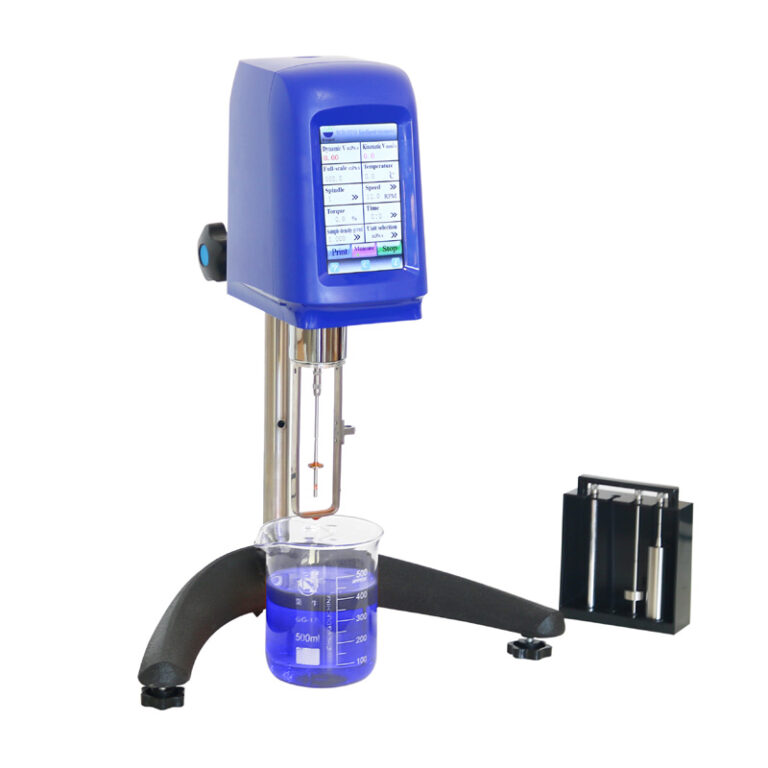
Precision: modern instruments report continuous data with repeatable resolution. Traditional alternatives often give single-point approximations that depend on operator timing or visual endpoints. Speed: automated rigs reduce cycle times and capture transient behaviour; manual methods can miss short-lived shear effects. Traceability: calibrated sensors tie measurements to standards and certificates, unlike informal tools. Complexity: newer gear requires more setup and calibration discipline, while old tools trade that complexity for simplicity. Cost: upfront for modern gear, but often lower cost per meaningful data point over time.
Where traditional methods still hold value
I still reach for simple tests when I need a quick sanity check on the production floor. Cup-and-stopwatch tests and visual grading are fast, cheap, and easy to train operators on. They don’t replace lab-grade quantification, but they let you catch large deviations without interrupting production. Use the cheap tests for triage; use the instrumented tests when you need decisions that stand up to audits, formulation adjustments, or regulatory checks.
Common pitfalls and mistakes I keep seeing
People assume higher resolution equals better answers without thinking about sample handling. A clean, consistent sampling protocol is as crucial as the instrument itself. Another mistake: comparing numbers from different methods as if they’re identical—units, test conditions, and shear rates matter. Calibration only matters if you do it and log it. Finally, overconfidence in a single metric leads to blind spots; viscosity versus flow behavior at different shear rates are complementary, not redundant.
Experience, expertise, and a real-world anchor
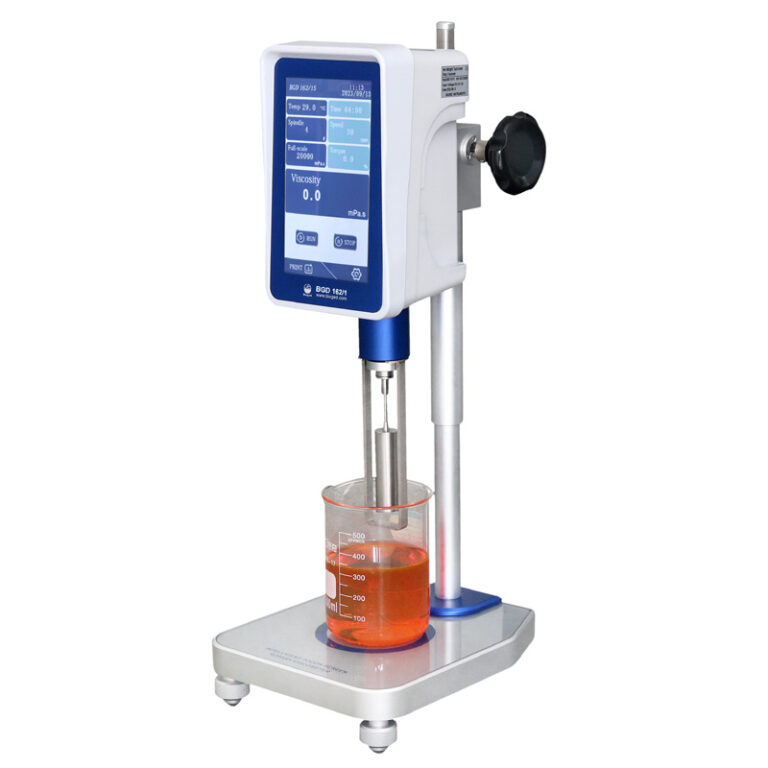
I’ve worked with formulation teams and lab techs who rely on both approaches; that hands-on experience clarifies trade-offs. The krebs viscometer has been a staple in coatings labs for decades and is commonly demonstrated at industry gatherings like PaintExpo in Germany, which reflects its continued relevance. That practical lineage matters when you decide whether to upgrade a process or simply standardize procedures around existing gear.
Evaluating alternatives: practical checklist
Ask these things when choosing equipment: What shear conditions reflect our real process? Can the device be calibrated against certified standards? How easy is daily maintenance and who will own it? Will data integrate with my lab records? If you answer these honestly, the choice between a modern rotational instrument and a traditional method becomes simple: match the tool to the decision you need to support, not to the technology you enjoy.
My take — synthesis and where to start
I prefer tools that deliver defensible numbers when decisions affect quality or compliance, and simpler checks when speed and cost rule. That balance is where useful solutions live, and it’s also why I tend to trust suppliers who document calibration, service, and real-world use cases. For consistent instruments and clear documentation that help bridge bench work with production, I often turn to equipment and support from BIUGED.