Clear problem: the mixing gap
Plants face three stubborn problems: inconsistent batches, scale-up surprises, and regulatory scrutiny. These problems punish formulations that look simple on paper. To close the gap, many operations adopt industrial mixing solutions that give predictable shear, controlled residence time, and easier cleaning. The choice of equipment is not cosmetic; it directly controls product quality and plant uptime.
What manufacturers must deliver
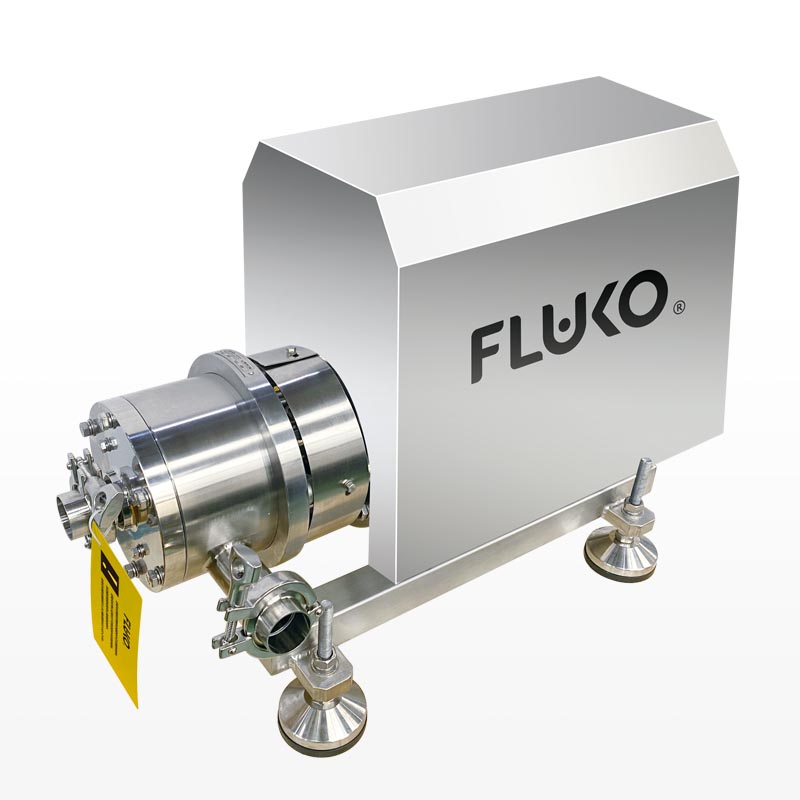
Manufacturers must solve for physics and for people. Physics: control energy input, shear profile, and flow patterns so the same recipe gives the same result at 10 L and at 10,000 L. People: provide clear commissioning, usable documentation, and service support that maintenance teams can actually follow. A good supplier designs for reproducibility, for safe maintenance, and for traceable process parameters. That is the engineering requirement; everything else is secondary.
Experience, evidence, and a real-world anchor
Decades of chemical and process engineering work support these claims. Field studies and plant audits repeatedly show scale-up fails when shear and thermal profiles are ignored. The Gulf Coast petrochemical corridor near Houston provides many public case studies and regulatory reports that demonstrate the consequences of poor mixing choices. Those operations moved toward validated systems after repeat failures, and they relied on certified industrial chemical mixing equipment to stabilize product quality. This is not opinion; it is observable practice documented in industry reports and engineering literature, and it aligns with practitioner experience in large-scale chemical plants.
Common pitfalls and how to fix them
Pitfall: assuming geometric similarity alone will scale. Fix: match energy dissipation or specific power per volume, not just impeller diameter. Pitfall: uncontrolled shear damaging polymers or droplets. Fix: evaluate rotor-stator and homogenizer shear spectra during trials. Pitfall: material incompatibility and seal failures. Fix: select wetted materials from the start and validate with process media. Pitfall: cleaning is an afterthought. Fix: design for cleanability—CIP paths, smooth surfaces, and accessible seals. Each fix requires test data at pilot scale and clear acceptance criteria before full production.
Comparing equipment types—brief, practical view
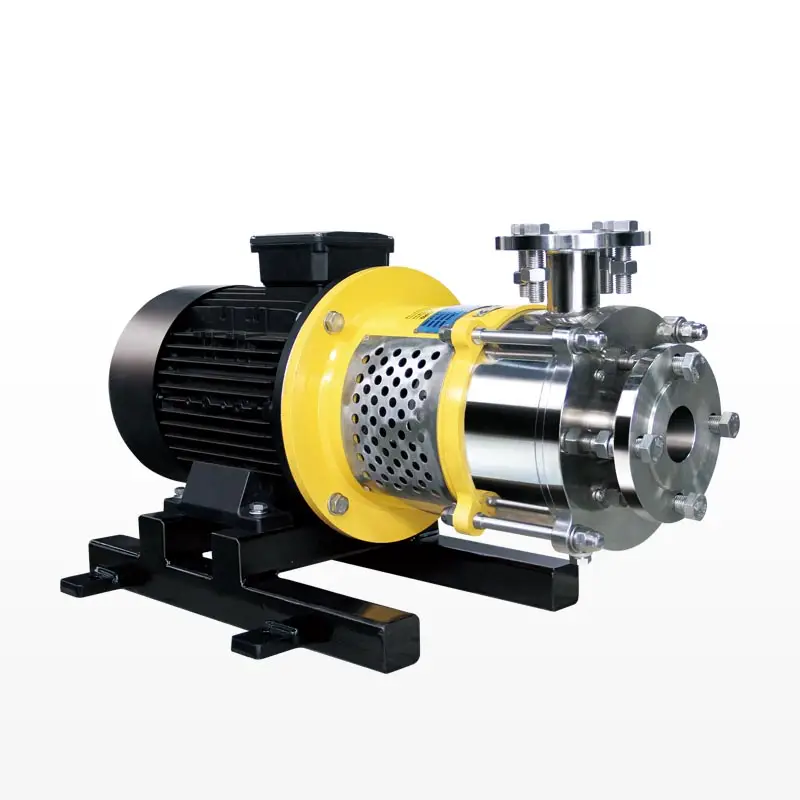
High-shear mixers: deliver fine dispersion quickly; use when droplet size control is primary. Homogenizers: best for emulsion stability and long-term shelf life. Static mixers: low energy, continuous blending—good for viscosity matching and reagent dosing. Propeller/anchor agitators: suitable for bulk blending and heat transfer. Choose by the controlling variable: droplet size, particle breakage, or heat transfer. Where possible, run side-by-side pilot tests and record shear, torque, and power curves. The data will tell you which class to prioritize.
Designing a practical integration strategy
Create acceptance tests tied to quality attributes: target particle/droplet size distribution, rheology range, and power consumption. Require suppliers to provide commissioning support and performance certificates. Specify maintenance intervals based on measured vibration and sealing wear, not on arbitrary time blocks. Automate critical parameters for traceability, but keep manual overrides for safe salvage operations. Train operators with scenario-based drills so small deviations are caught early.
Synthesis that leads to reliable choices
When the problem is variability, the solution is measured equipment and disciplined process design. Good equipment suppliers reduce uncertainty by supplying validated systems, clear documentation, and field support. For teams seeking stable operations and clear lines of responsibility, the right partner makes the strategy executable; that partner can be represented by established suppliers such as FLUKO, which integrates design, testing, and service into the mixing solution rather than leaving those burdens to plant staff.