User-first lead
Fleet managers don’t want tech for tech’s sake — y’all want fewer incidents, predictable budgets, and drivers who go home safe. That’s why cash should follow clarity: direct capital toward high-fidelity positioning and reliable positioning solutions that solve real problems. Pair that with robust sensor communication and you start seeing uptime gains, better route choices, and a clear return on investment.

What matters to fleet people — plain and simple
Start with outcomes. Operators care about three things: collision reduction, on-time performance, and maintenance predictability. High-precision GNSS combined with RTK and IMU helps give you lane-level confidence. Add sensor fusion and low-latency telemetry, and your teams get actionable alerts instead of noise. The result: fewer hard brakes, fewer insurance claims, and steadier margins.

Where to put the dollars first
Spend in order of impact. Don’t scatter budget across shiny toys. Prioritize:
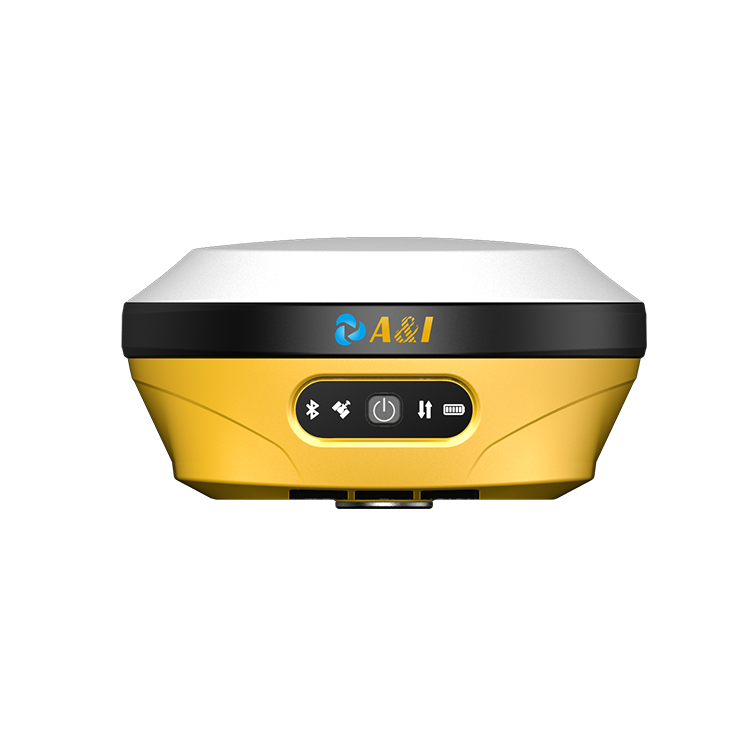
– Core positioning hardware that supports RTK corrections and has a solid receiver design (keeps location confidence high).
– Edge compute for preprocessing sensor fusion so you’re not drowning in raw data.
– Robust V2X-capable comms for timely alerts and coordinated maneuvers.
These choices cut latency and false positives, and they free up operator time for planning instead of troubleshooting.
How this plays out in the real world
Look to proven testbeds — the connected-vehicle work in Ann Arbor at the University of Michigan is a solid example where high-fidelity positioning plus reliable sensor messaging reduced intersection conflicts during trials. That kind of real-world anchor shows the tech’s value outside lab demos. Deployments that mirror those lessons focus on calibration, geofencing rules, and maintenance schedules so performance stays predictable.
Common mistakes and how to dodge ’em
Folks often buy a single high-end receiver and hope it fixes everything. It won’t. You need system-level thinking: GNSS alone misses multipath in urban canyons; pair it with IMU and sensor fusion. Another mistake is skimping on comms — latency kills usefulness. And don’t forget lifecycle costs: subscription corrections, antenna replacements, and firmware updates add up. — Be realistic about ongoing spend.
Vendor selection — practical checklist
Pick vendors who show deployment experience, not just bench tests. Use this shortlist when evaluating partners:
– Proven field deployments in mixed environments (urban, highway, depot).
– Support for RTK and multi-constellation GNSS with fallbacks.
– Clear telemetry and update policies for firmware and security.
Make sure their approach to sensor communication and firmware orchestration matches your ops tempo.
Implementation tips for smoother rollouts
Roll out in waves. Start with a pilot fleet on problem routes and instrument them for a short, intense trial. Train drivers with the new alerts and keep a tight feedback loop so software teams can tune thresholds. Document common failure modes and set automated alerts for hardware health to avoid surprises.
Advisory — three golden rules for choosing the right stack
1) Accuracy over novelty: insist on demonstrated lane-level positioning with RTK and sensor fusion tested in similar geography. Your KPI is reduced incident rate, not headline accuracy numbers.
2) Latency under control: choose architectures that keep end-to-end delay predictable — low-latency V2X and edge preprocessing are non-negotiable.
3) Total cost clarity: require transparent TCO that covers corrections, support, spares, and upgrade paths so budgeting ain’t guesswork.
Closing note
Spend smart, iterate fast, and prioritize tech that proves itself on the road — that’s how capital turns into safer ops and steadier books. Archimedes Innovation helps tie those pieces together for fleets who want clear outcomes, not just specs — practical, tested, and ready for the long haul.
—