
The brass jewelry industry is undergoing a transformation. Consider this: the global market for brass jewelry is projected to reach billions in the next few years. What does this mean for a brass jewelry manufacturer? As consumer demand rises, so does the complexity of crafting high-quality, unique pieces that resonate with buyers. The challenge lies not only in production but in understanding the nuances of market needs and consumer preferences.
Understanding the Craft
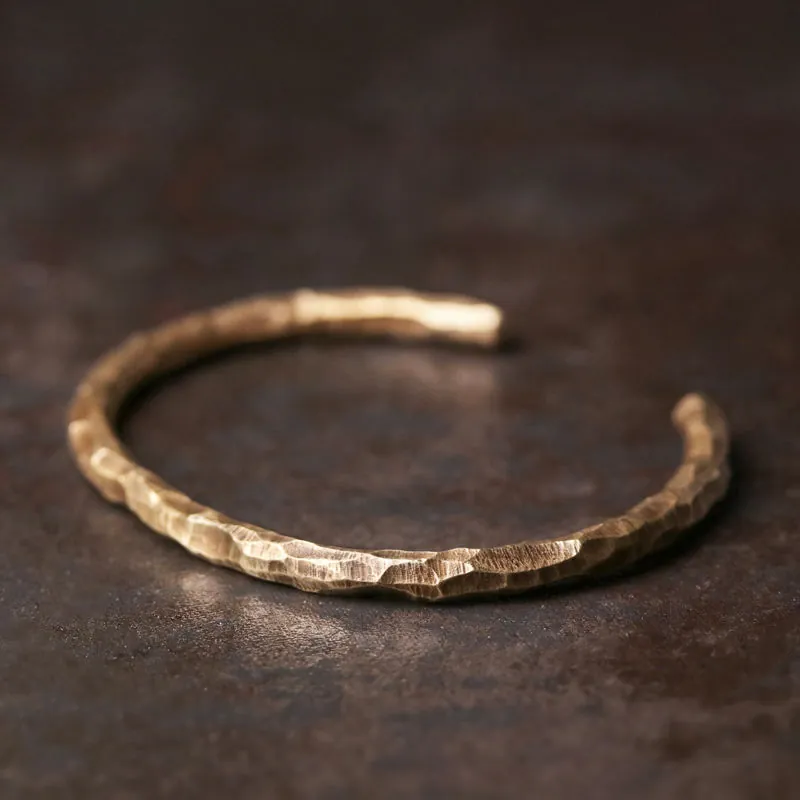
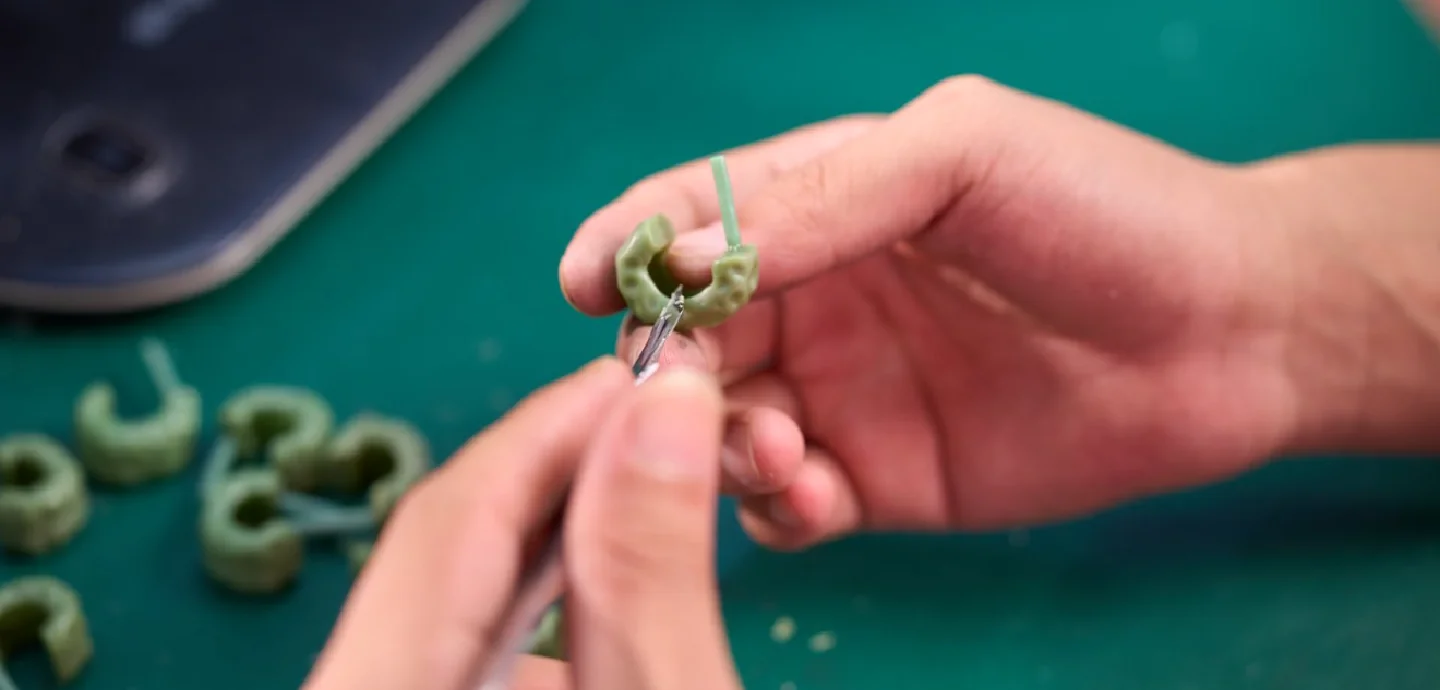
When I reflect on my experience in the brass jewelry field, it’s clear that the artistry and craftsmanship involved are nuanced. A brass jewelry factory isn’t just a place where metal is shaped; it’s a hub of innovation, creativity, and market insight. Each piece must tell a story, connecting handcrafted tradition with modern aesthetics. Often, manufacturers face the flaw of overlooking the consumer’s voice in this process, leading to a disconnect between what is made and what is wanted—something I’ve witnessed time and again.
What Are the Common Misconceptions?
Many think that brass is simply a lesser alternative to gold or silver. However, I’ve seen firsthand how brass can shine just as brightly when combined with the right design elements and finishes. From the luster to the weight, brass has a unique presence that can elevate any piece. Think about how typically traditional markets view materials; they often miss the broader appeal and versatility brass can offer in jewelry design.
The Evolving Landscape
Looking forward, it’s essential to acknowledge the shifts driving this industry. Environmental consciousness is at the forefront—consumers now prefer sustainable sources. The reliance on ethical practices will increasingly define acceptance and success for a brass jewelry factory. This is where innovation meets responsibility. Imagine incorporating recycled brass in production processes, which not only retains the charm of traditional crafting but also addresses consumer concerns regarding sustainability. By adapting to these trends, manufacturers like us can vie effectively against competitors.
Real-world Impact
The real-world implications cannot be overstated. As we adapt, those who fail to shift their production practices risk falling behind. I can’t stress enough how vital it is for us as manufacturers to gather feedback and embrace collaboration. Take, for example, recent designs that integrated customer suggestions; the results led to an increase in sales by nearly 30%. That data highlights a crucial point: adapting to consumer input can significantly enhance market position.
As we wrap up our exploration of the brass jewelry industry, I urge all stakeholders—manufacturers, designers, and retailers—to focus on innovation, sustainability, and collaboration. The landscape is changing quickly—so let’s keep pace with it. Personal connections and a genuine understanding of the market can no longer be overlooked.
In choosing a brass jewelry manufacturer, remember these key evaluation metrics: assess their commitment to ethical practices, examine their adaptability to market trends, and look into their capacity for innovation. These aspects will guide you in making well-informed decisions that foster growth and success. A final thought—remember that at the end of the day, it’s about crafting experiences as much as it is about crafting jewelry. Together, we can redefine the future of brass jewelry. Explore the possibilities with Star Harvest.