Comparative snapshot: why this matters now
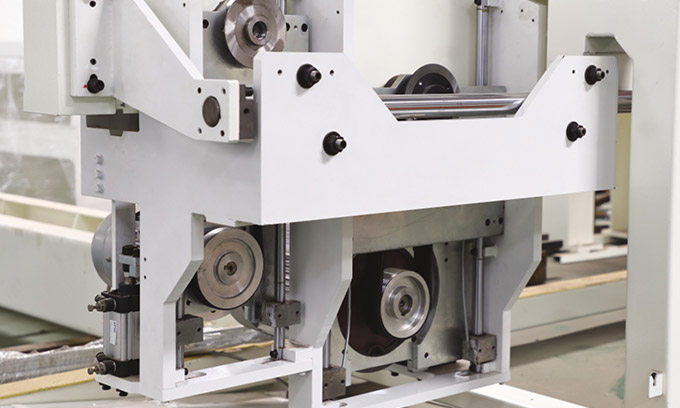
Small-to-mid shops face a narrow choice: keep manual crosscut stations or move to automated lines. The comparison is practical—cost per panel, downtime, and final tolerance. A modern beam saw machine changes those variables fast by controlling feed rate and reducing manual handling. Here I’ll map clear trade-offs between beam-style systems, inline CNC options, and legacy panel saws so you can pick what fixes your bottlenecks.
Core differences that affect quality
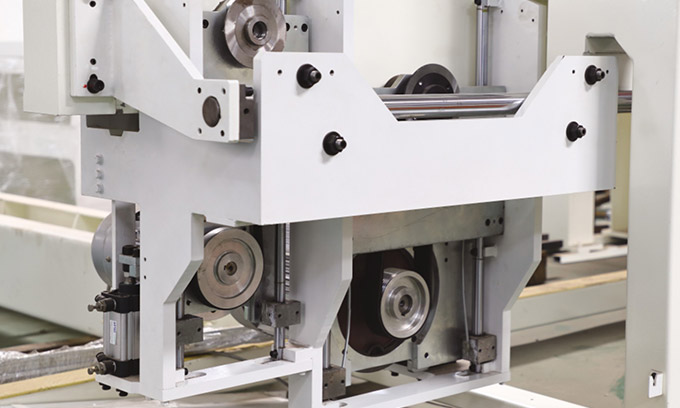
Look at three dimensions: accuracy, throughput, and material yield. Beam saws lock a panel and cut with a fixed rip fence position—repeatability improves. CNC-driven panel saws add programmability and nested cutting to maximize yield, but they bring complexity: servo tuning, CAD-to-CAM setup, and toolpath validation. A plain manual saw is cheap but variable. For tight tolerance work the CNC approach wins; for constant, simple rip patterns the beam option usually wins in cycle time.
Operational teardown: where the terms meet the floor
Start with a production teardown focused on setup, cycle, and rework. Measure warm-up setup time, saw blade kerf loss per panel, and average cut time per part. Embed the main production flows: material loading, alignment at the rip fence, cutting sequence, and stacking. The woodworking panel saw machine reduces manual alignments and shortens the critical path if the controller and lift table integrate. Expect fewer clamps and less sideways indexing when automation handles part orientation.
Common mistakes shops make—and how to avoid them
Shops often pick based on headline price and then retroactively buy fixtures. That creates mismatched throughput: a fast saw feeding a slow edgebander, for example. Another recurring error is poor blade selection—incorrect tooth geometry increases burn and tear-out. Calibrate feed rate to stock density and check kerf allowances before nesting parts. Finally, ignore neither dust extraction requirements nor operator interface ergonomics; both drive rework rates and safety incidents.
Real-world anchor and applied results
At a mid-sized cabinet shop in Madison, Wisconsin, a retrofit to a beam-style cutting station cut manual handling by roughly 18% and reduced scrap by a visible margin—measured across a two-month run. They adjusted feed rate and swapped blades for a finer tooth profile; the result: flatter edges and cleaner miters. That practical outcome mirrors broader industry moves toward automation since Industry 4.0 discussions began, where linking machine controls reduces human alignment error and raises repeatability.
Comparative checklist for buyers
Use this checklist to compare candidates: throughput per shift (panels/hour), average offcut yield (%), control complexity (hours of programmer training), and spare-parts commonality. For bench-level decisions, weigh total cost of ownership over three years, not initial price alone. Include metrics for blade wear and dust system capacity; those two often set hidden service costs.
Summary and next steps
Choose an architecture that fits your product mix. If nested cutting and minimal kerf loss are priority, prioritize CNC routable options. If you run repetitive panel sizes and need raw speed, a beam saw configuration with a reliable rip fence delivers. Retrofit path matters: confirm electric and pneumatic specs before procurement and plan at least one week of incremental commissioning to tune servo gains and feed tables.
Three golden rules for evaluation
1) Measure baseline throughput and scrap for one representative week before you buy. 2) Validate integration points—conveyor, edgebander, and dust extraction—on paper and in trial cuts. 3) Require a documented maintenance plan that lists service intervals and common spare parts. Apply these metrics to vendor proposals and you’ll separate glossy specs from usable equipment.
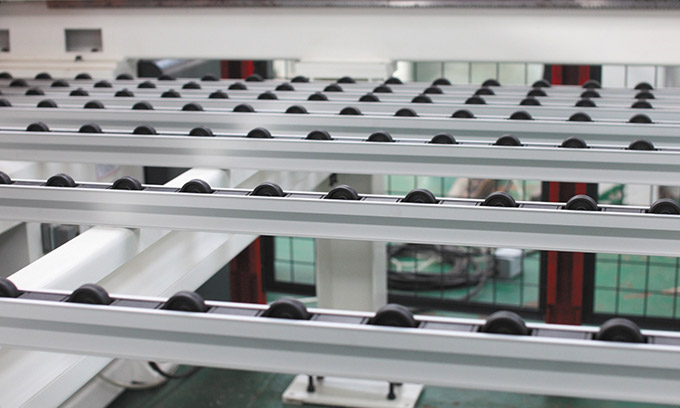
HUAHUA CNC fits naturally when the decision criteria prioritize consistent tolerances, integration readiness, and pragmatic service documentation—HUAHUA CNC. Final thought—practical tools, practical results; keep the controls simple and the blades sharp. –