Introduction
Have you ever wondered why some aerospace parts cost more time and money to make than others? Data shows that shops using fully synchronized five-axis toolpaths cut cycle times by as much as 30% on complex geometries. In the current market, 5 axis CNC machining center manufacturers span global brands and niche builders, each promising higher accuracy, faster throughput, or lower setup time (and sometimes all three). I often see the same scenario: a job hits the floor, the CAM programmer fights the machine, and the schedule slips — why does that keep happening?
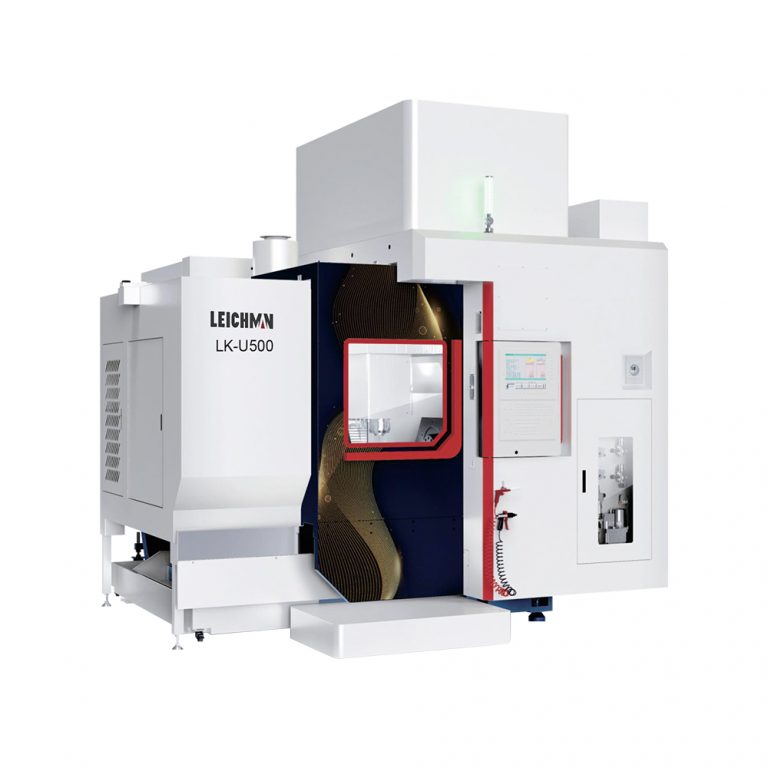
We need a clear view of what’s working and what isn’t. I’ll walk you through the weak links I see in real shops, then compare the practical trade-offs between leading approaches. Expect concrete examples, a few industry terms — think toolpath optimization and spindle dynamics — and an honest take on cost versus capability. Let’s move from the question to the evidence and then to choices you can act on next.
Hidden Pain Points: Why Five-Axis Still Stumbles
five axis cnc milling machine capability is a headline metric, but capability on paper is not the same as steady shop performance. I’ve watched teams buy advanced machines only to struggle with toolholder clearance, poor spindle dynamics at high RPM, and CAM-post mismatches that produce jerky motion. Those friction points show up as chatter, unexpected tool wear, and regrettable scrap rates. In short: the machine’s potential often gets lost between CAM output and the machine’s controller — axis coupling and servo drives must be tuned to translate ideal toolpaths into real motion.
Look, it’s simpler than you think — diagnosing issues starts with small checks. First, review the post-processor settings in your CAM software; slight axis mapping errors can turn a perfect simulation into an out-of-tolerance part. Second, validate the toolpath against actual machine limits (acceleration, jerk settings, and torque curves). Third, don’t ignore fixturing and workholding: even a tiny clamp offset becomes a geometry killer on a 5-axis part. I say this from hands-on experience: the hardware rarely fails alone — it’s the interaction of tools, CAM, and machine dynamics. — funny how that works, right?
Which pain point matters most?
If I had to pick one, it would be the translation stage — the CAM-to-CNC handoff. Fix that, and many downstream problems fade. You’ll need to examine spindle behavior, toolpath optimization, and how your shop manages tool libraries. Those three areas give the biggest lift for the least drama.
Future Outlook: Choosing Tools and Partners That Deliver
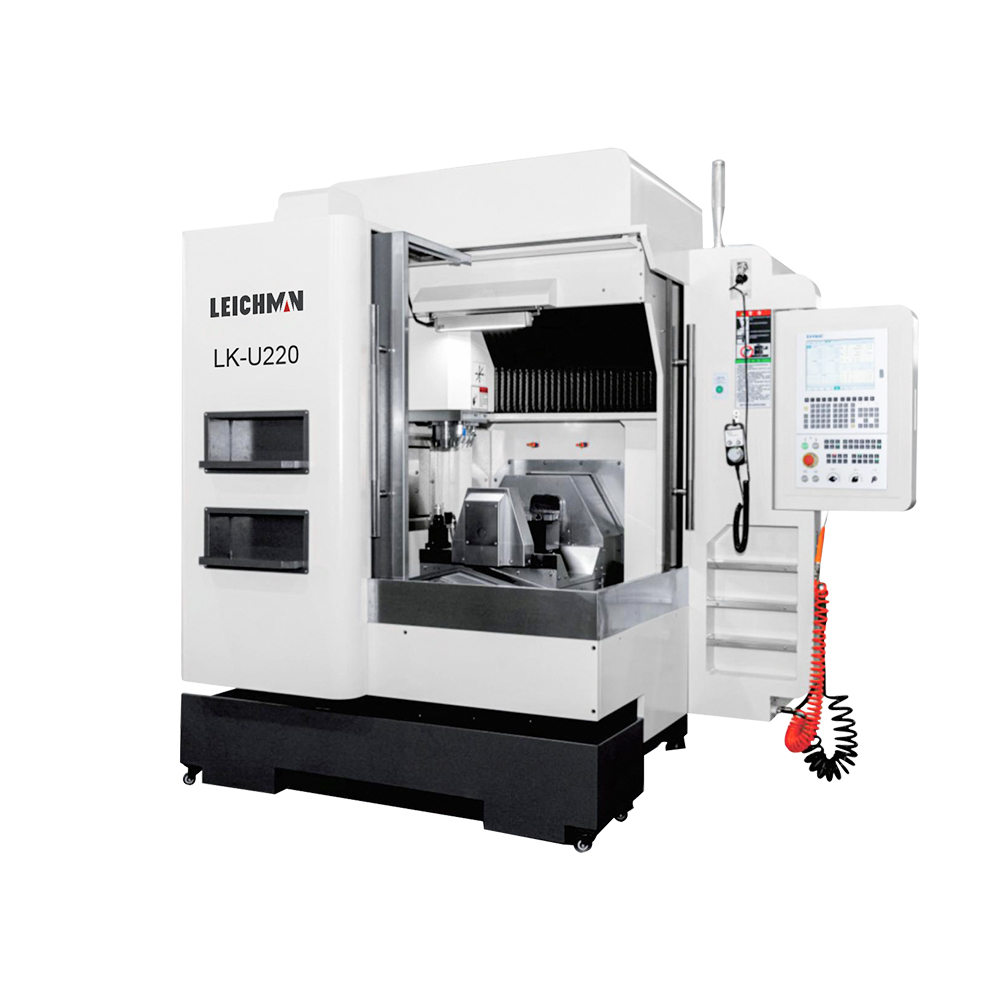
Looking ahead, I expect smarter integration to win: better post-processors, validated tool libraries, and more predictable spindle dynamics will matter more than raw axis count. When I advise teams, I focus on practical outcomes — not marketing specs. For example, a 5 axis cnc machining center factory that builds machines with matched controllers and documented post-processors reduces startup friction. That alignment cuts validation hours and gets parts into tolerance faster. In your buying checklist, prioritize proven toolpath strategies, clear documentation, and supplier support that includes real-world test cuts. Those elements are plain but powerful.
On the technology side, watch for tighter coupling between CAM software and machine controllers, and for smarter monitoring tools that report actual torque, temperature, and vibration in real time. These diagnostic feeds help you tune servo drives and catch issues before they bite. I think edge computing nodes and advanced power converters will play supporting roles — feeding fast, local analytics that keep the machine in its sweet spot. I’m optimistic, though cautious: adoption lags, and not every shop needs the bleeding edge. — that said, the gains are measurable when applied correctly.
What’s Next — Practical Steps
Here are three simple evaluation metrics I recommend when choosing machines or partners. First: verification time — how long from machine delivery to validated part? Second: post-processor fidelity — does the vendor supply tested post files for your CAM? Third: support bandwidth — can the supplier get you a working solution within a day, not weeks? Use these to compare quotes, not just specs. I use them myself when we assess suppliers, and they reveal things price sheets hide.
To wrap up: focus on the handoff between software and hardware, demand validated workflows, and measure suppliers by real shop outcomes. Do that, and you’ll turn five-axis promise into repeatable production. If you want a reliable place to start, see how tested systems perform at Leichman.