A Quiet Outage, a Loud Lesson, and the Numbers That Follow
Power fails more often than you think, even in calm weather. I’ve spent over 18 years advising homeowners and installers on residential energy storage systems, and one scene sticks with me: a calm Saturday in Austin, 7:12 a.m., coffee half-ground, lights out. I had a client across town with an battery energy storage system for home that carried them for six hours without a hiccup. Another client, same block, sat with a flashlight and a melting freezer. On paper, both systems looked “similar.” In practice, one had the right BMS settings and a proper hybrid inverter; the other relied on a basic AC-coupled unit with high conversion losses. Data tells the story too: in San Diego’s TOU tariffs, peak can hit 49¢/kWh while off-peak sits near 22¢. That spread, paired with good round-trip efficiency, can flip a bill fast — if the system is set up for peak shaving and islanding. So why do so many homes still miss out on the real savings and comfort (and yes, peace of mind)? I’ve seen the same trap repeat, and it’s fixable. Let’s step into the gaps that matter.
What We Get Wrong About Home Batteries
Where do users stumble?
I’ve watched families invest in bright, sleek boxes, only to end up babysitting alerts and resetting breakers. The hidden pain starts with sizing and control. Undersized capacity, matched with a small inverter, can’t hold a heat pump start-up or a 240V oven surge; the lights flicker, and trust fades — I winced the first time a client told me their dinner plan went dark. AC-coupled designs can work, but the extra hop through power converters adds losses; many see a real-world round-trip efficiency closer to 80–85% during heavy cycling. DC-coupled hybrids do better, especially when the EMS aligns charge windows with TOU curves. Look, the setup is not rocket science, but it is precise. I still remember a June 2023 retrofit in San Diego: a 10 kWh LFP stack, 8 kW hybrid inverter, and a revised SoC floor from 20% to 35% for backup. The same house cut peak imports by 62% and saved $68 that first month, even before demand response kicked in. One more snag I see: app dashboards that guess at state of charge, and BMS values that drift. The fix is a clean commissioning routine and a load audit — the boring part that makes the magic stick.

New Rules of the Game: Designing for Payback and Comfort
Real-world Impact
When I line up options side by side, the winning pattern is clear. A modern LFP pack with stackable 5 kWh modules. A hybrid inverter with at least 200% surge headroom and quick transfer for whole-home backup. A DC bus that trims conversion steps. And an EMS that secures both your time-of-use savings and your outage plan. In Denver last winter, we compared two installs on neighboring streets: a 13.5 kWh AC-coupled legacy system with microinverters versus a 15 kWh DC-coupled unit feeding a hybrid inverter. Same rooftop size, similar loads. Over 90 days, the DC-coupled home logged a 7–9% higher net self-consumption and kept the heat pump stable during 18°F mornings. That stability matters more than marketing copy ever will. If you’re eyeing a battery energy storage system for home, remember the test that counts: can the setup start your largest motor load, and can it hold it without sag? I prefer solutions that answer “yes” with data, not guesses.
What’s next is not just bigger batteries; it’s smarter ones — coordinated by clean software and better safety. I look for UL 9540A-tested LFP chemistry, a fire-rated enclosure, and firmware that manages thermal limits without noisy fans at midnight (your kids will thank you). Virtual power plant programs are maturing in places like Massachusetts and California, and a steady 2–3 kW export during demand response now pays real money. On a Tampa new build this May, we tuned a 20 kWh system to hold 40% SoC ahead of storm season; the EMS released only the top slice for daily arbitrage and saved the bottom for outages. That small shift cut generator runtime to zero for the entire month — and I caught myself grinning, oddly enough. These are the new principles: right-sized storage, fewer conversion steps, high-confidence controls. The grid will wobble now and then. Your home should not.
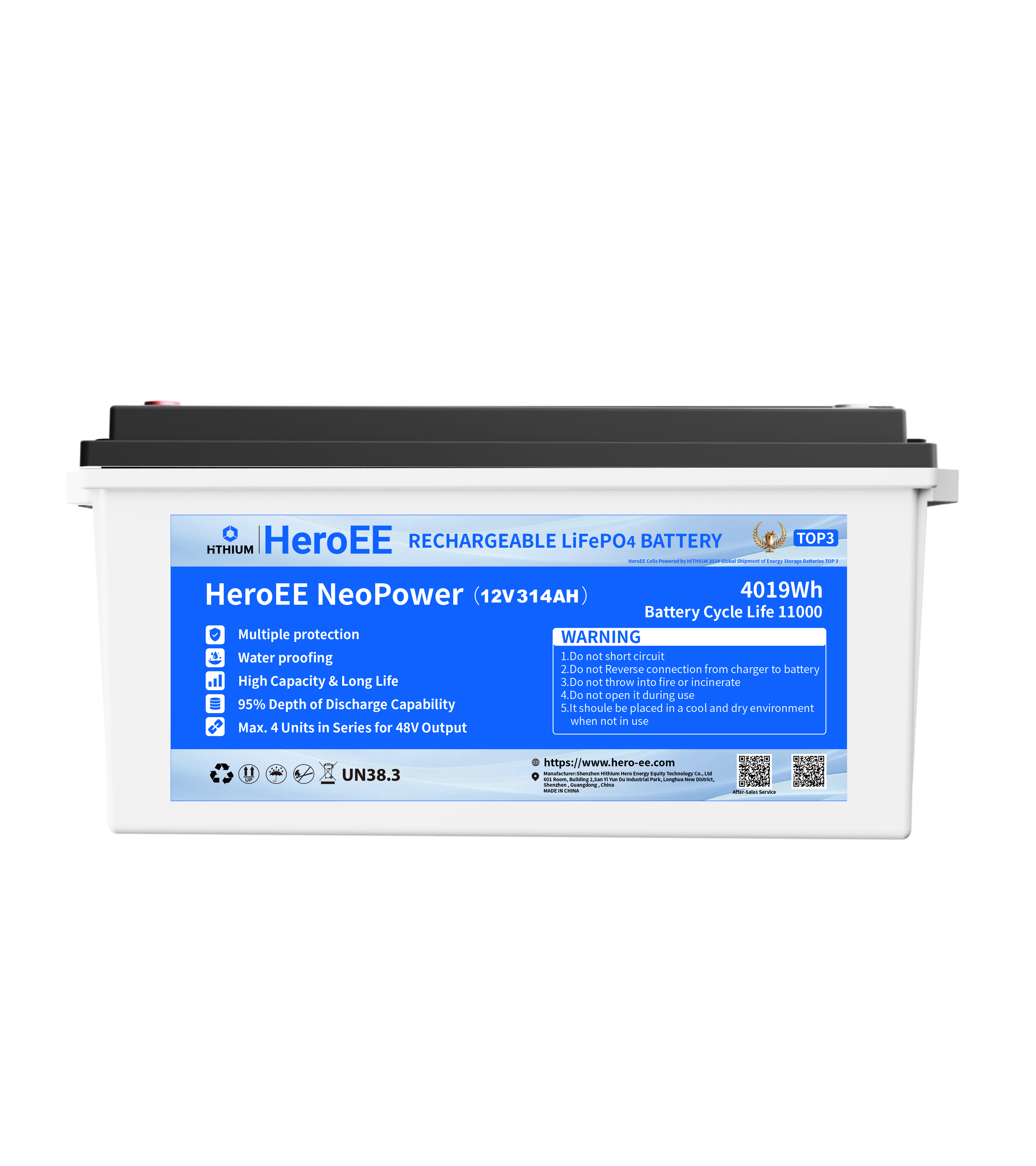
Use a simple filter if you’re choosing between quotes. Advisory, not hype, because I want you to see results you can measure. Three metrics guide my short list: 1) round-trip efficiency at your real load profile, not just the brochure number; 2) usable capacity across temperature, especially at 0°C, where weak packs stumble; 3) inverter surge rating and transfer time under whole-home switching. Add a check on SoC accuracy over 30 days and, if you can, one evening of load logging at the panel. With that, your choice moves from guesswork to proof. If you need a solid reference point while you compare, keep an eye on HiTHIUM.