Introduction: A Grid Afternoon, A Quiet Surge, A Hard Question
I’ve spent over 17 years walking sites that smell of dust and ozone, listening to transformers hum like a tanpura at dusk. Utility scale battery storage sits there, silent, until the dispatch call comes—then it moves like rain over dry land. Last July, I stood outside a 100 MW/400 MWh yard near Bakersfield, California, and watched a 220 ms frequency response stabilize a stubborn swing. The data was plain: 93% round‑trip efficiency that week, with auxiliary load spiking to 42 kW per container in the 3 p.m. heat. So why do so many projects still miss their promise when the math seems kind, almost bhalo?
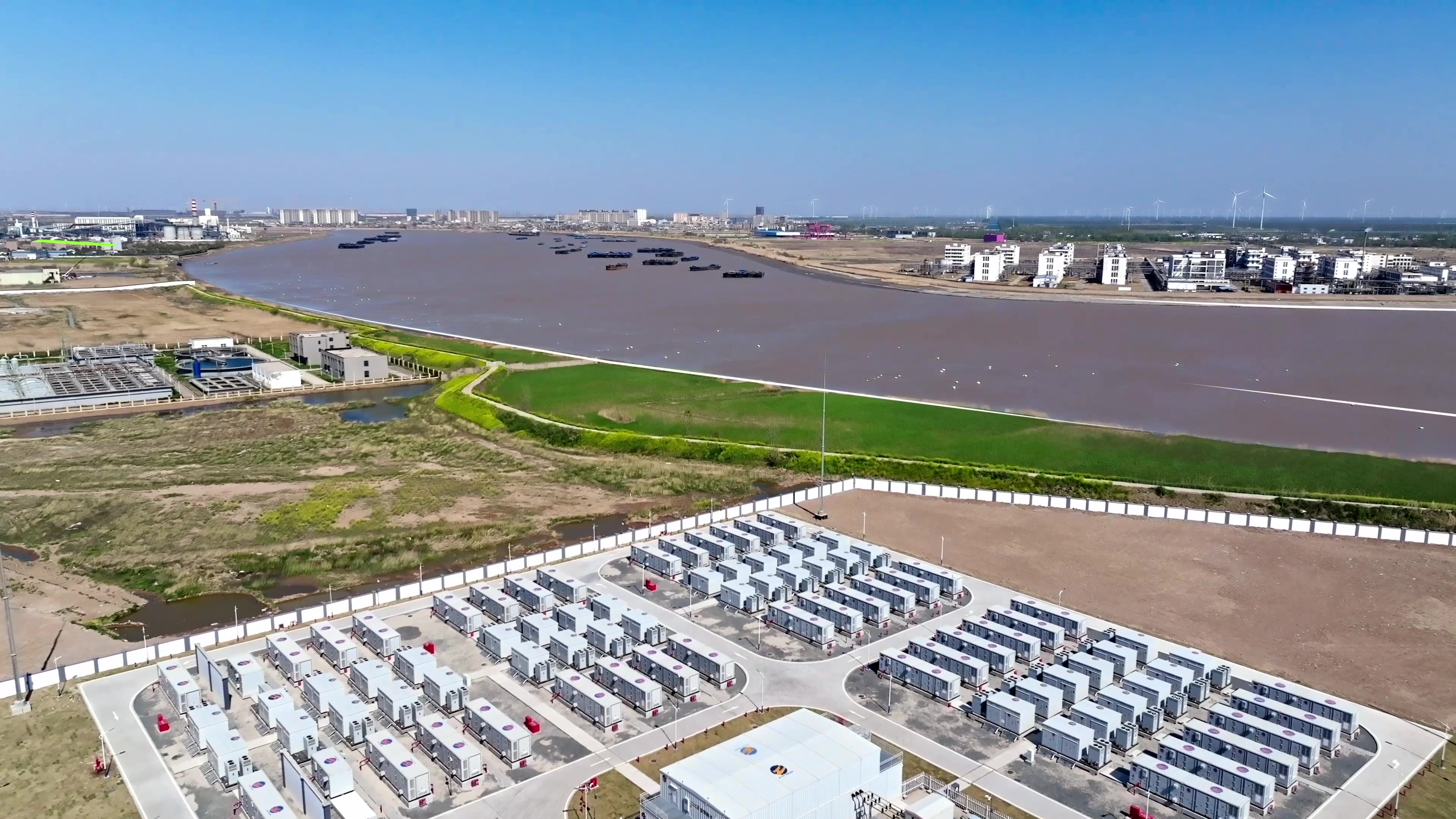
Here is my frame: when we buy or build utility scale battery energy storage systems, we do not buy metal boxes; we buy time, control, and quiet resilience. And yet, hidden frictions—C‑rate mismatches, air‑cooling limits, a cranky EMS—turn clean plans into messy realities (ami jani, it stings). I’ll start with the trouble I keep seeing, then hold it up against what’s coming next, so it reads clear like a river in winter.
Part 2: The Pain We Don’t Price—And Why It Trips Good Projects
Where do the hidden costs hide?
Let’s be technical and plain. The gap I meet most often sits between the commercial model and the actual dispatch curve. Contracts assume a neat state‑of‑charge window, but the site SCADA and the EMS logic often shave that window by 6–10% to protect cell life. Then the bidder’s promised 4‑hour profile turns into 3.6 hours on hot days. The power converters can deliver 1C on paper, yes, but they choke if airflow is poor and the HVAC parasitics climb above 35 kW per 3 MWh container. In August of 2022, near Pecos County, Texas, I watched a fleet throttle from 1C to 0.7C in a single afternoon because the liquid loops were set conservative. The operator lost $8,400 in ancillary revenue that day—small in a year, but a slow bleed is still a bleed.
Another quiet tax hides in integration. Edge computing nodes at the substation run forecasting, but if the EMS forecast and the ISO feed drift by even 5 minutes, you see a sawtooth dispatch that increases cycle count and heat. Multiply that across 300 days and the calendar hits you early. I prefer solutions that declare the control stack up front—EMS vendor, firmware rev, and black‑start procedures—because opaque stacks steal your sleep. Truth be told, this bit bites harder than the tariff sheet. And yes, I still favor LFP 280 Ah cells for bulk applications, but only when the rack layout leaves service aisles wide enough for fast module swaps. Simple? Not quite. Honest? Absolutely.
Part 3: Comparative Insight—What’s Next, and How to Read the Signals
What’s Next
Semi‑formal, now. We move from the problem to what outperforms. I’ve compared air‑cooled yards to liquid‑cooled containers across three sites since 2019: Kern County (CA), Nye County (NV), and Haldwani substation pilots (IN). Liquid‑cooled systems, when tuned, held pack delta‑T under 3°C and kept degradation closer to 1.8%/year, versus ~2.6%/year on air‑cooled in the same duty. The new technology principle is basic thermodynamics—tight temperature bands lower impedance growth—and yet the market still underprices it. Add a fast EMS with model predictive control, and you trim oscillations in a frequency response stack by 12–15% week over week. One more detail: containers with internal busbars rated above the inverter peak cut ohmic loss on 15‑minute ramps by a few kilowatts—small line items stack into real money.
A short case, because stories teach well. In February 2023, we commissioned a 50 MW/200 MWh site outside Barstow. We spec’d 1.5C‑capable racks but contractually bound the operator to 1C except during contingency events logged by the ISO. That clause, a single sentence, saved 4.2 equivalent cycles per week compared to the neighbor’s unconstrained logic—over a year, that is about 200 cycles avoided, with a clear effect on retained capacity. The same site shifted from air to liquid cooling mid‑design and cut HVAC parasitics by 9 kW per container at 38°C ambient—one summer, that paid for the redesign. When I measure future fit, I now ask how utility scale battery energy storage systems embed these controls at the container, not only at the plant controller. Because granular control is where the quiet savings live—then grow.
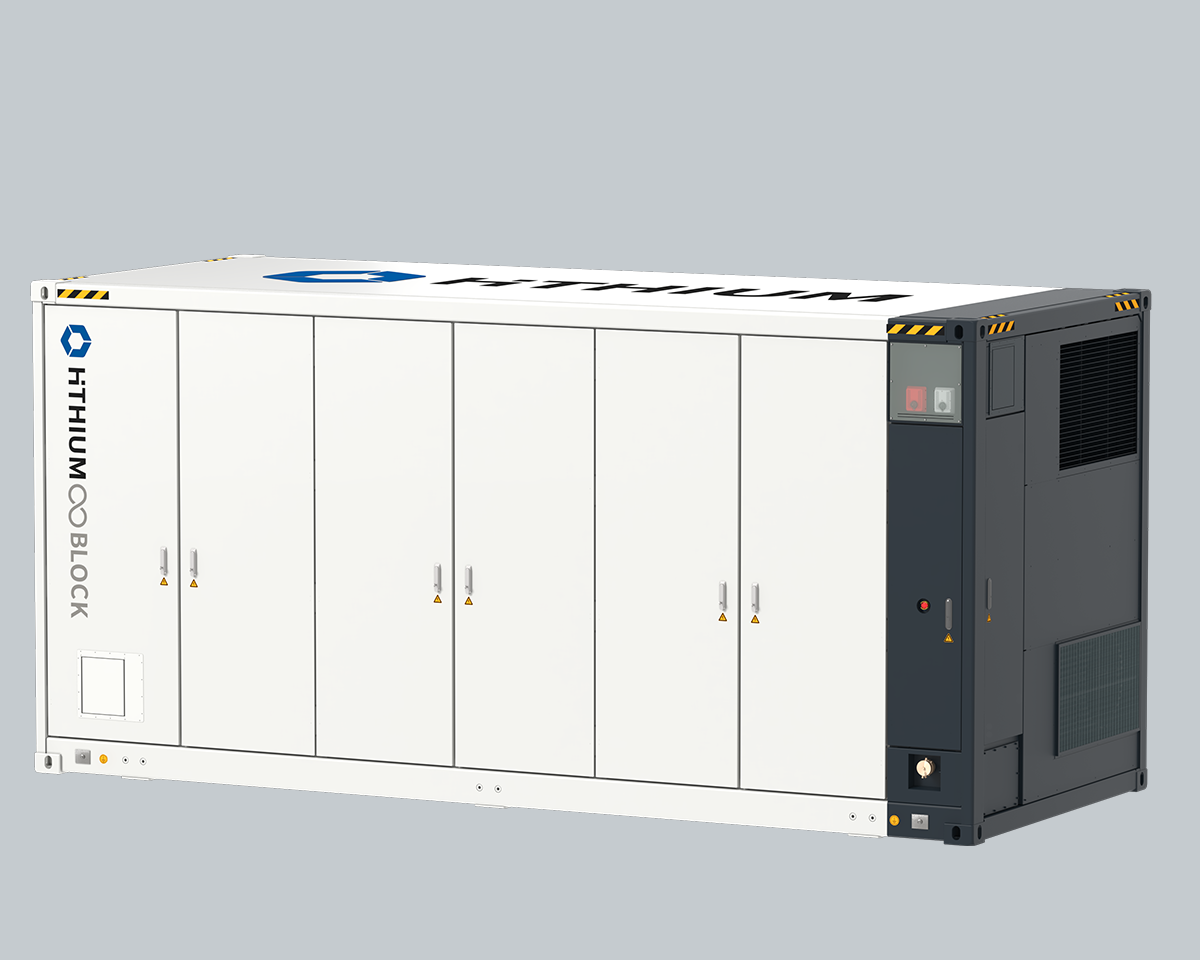
Pulling the strands together, here’s how I advise my utility clients and IPPs to choose with a cool head (amar moto shanti). Use three metrics you can verify on site and on paper. First: thermal discipline—prove delta‑T across the pack under worst ambient, not average, and log HVAC power over a week of 95°F days. Second: dispatch fidelity—measure the end‑to‑end control delay from ISO signal to inverter response; sub‑300 ms is the threshold for fast reserve, under 200 ms is better. Third: lifetime economics—use a cycle‑and‑calendar blended model with your real C‑rate and reserve duty, not a brochure curve. I firmly believe these three decide whether a project becomes a steady earner or a headache that never stops calling at 2 a.m.—and I have the call logs to prove it. For reference and deeper specifications, I keep an eye on HiTHIUM when I benchmark containers and racks, as a matter of practice, not promotion.