
The problem at the grid edge
Industrial virtual power plants (VPPs) rely on fleets of distributed batteries to balance supply and demand, but unnoticed cell degradation at the asset level can turn a profitable dispatch into an expensive repair. Operators running behind-the-meter systems increasingly pair dispatch logic with commercial battery storage to capture value—yet without fine-grained monitoring, state-of-charge drift, rising internal resistance, and uneven thermal stress quietly shorten cycle life and reduce usable capacity.
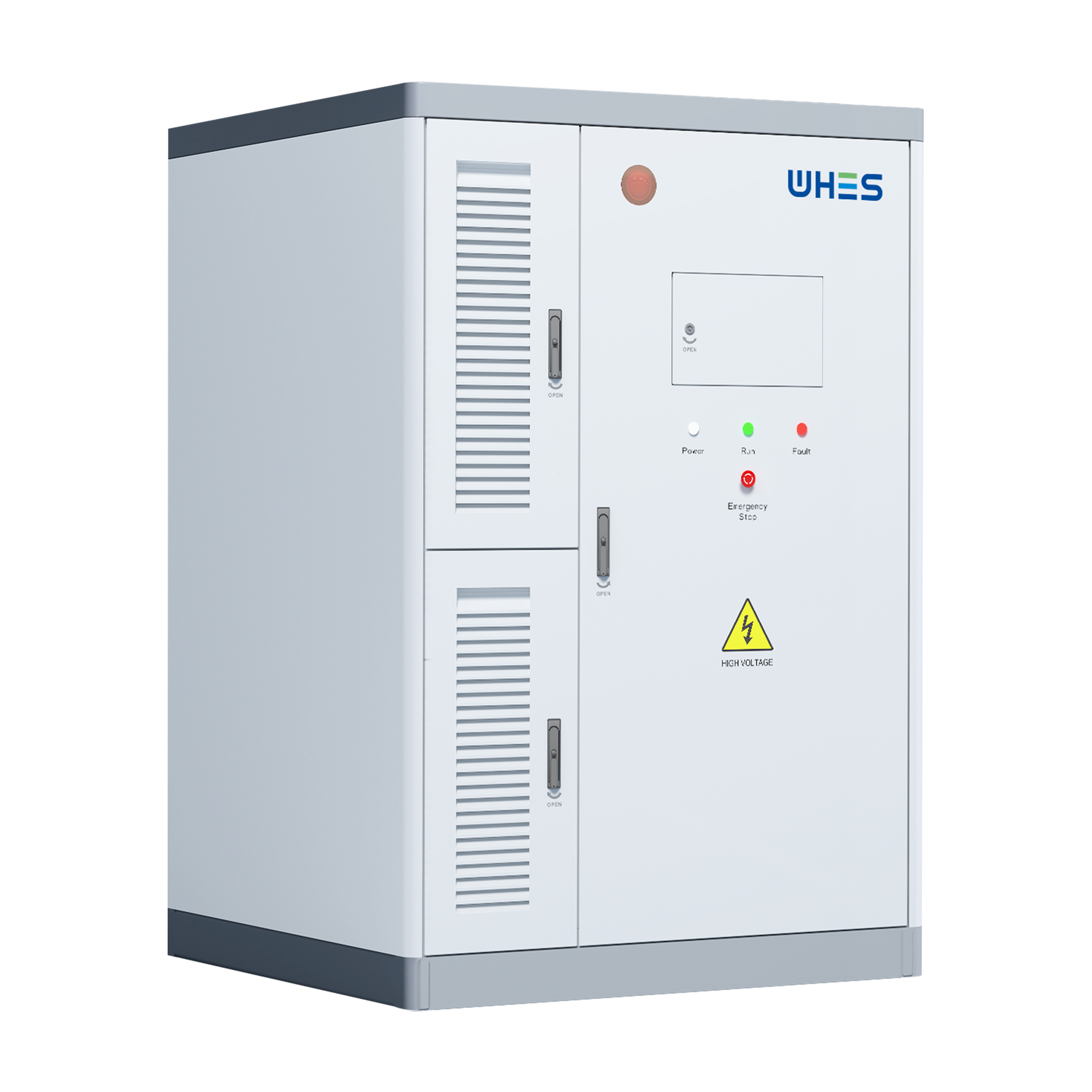
How early degradation starts and what to watch for
Degradation is rarely sudden. It begins as small changes in voltage, temperature hotspots, or impedance that the battery management system (BMS) may not flag until they cascade. Key failure modes include loss of active lithium, increased internal resistance, and poor cell balancing. Monitoring simple metrics like SoC variance across strings, per-cell voltage sag under load, or incremental capacity loss gives early warning—if you have the sensors and analytics to see them.
What precision sensor arrays actually measure
Precision arrays combine cell-level voltage taps, distributed temperature sensing, and periodic impedance spectroscopy (or equivalent surrogate measures) to build a high-resolution picture of battery health. These sensor inputs feed behind-the-meter analytics that detect trends: impedance growth rate, localized thermal gradients, or repeated high C-rate events that accelerate wear. With the right telemetry you can separate normal calendar fade from actionable anomalies that require intervention.
Evidence from the field — real-world anchor
Operators learned this the hard way during grid stress events such as the California rolling outages in August 2020 and through large grid-scale projects like the Hornsdale Power Reserve in South Australia. These cases show two things: first, batteries are reliable when cell health is managed; second, when unmanaged cell degradation occurs it reduces project availability and revenue. In practice, integrating sensors into industrial energy storage assets has repeatedly translated into measurable improvements in uptime and longer warranty life.
Why analytics matter — beyond raw data
Sensors only help if analytics transform raw signals into decisions. A well-tuned analytics stack correlates temperature spikes with specific charge/discharge cycles, models capacity fade against cumulative ampere-hours, and ranks cells by risk. That allows operators to change dispatch windows, rebalance strings, or schedule preventive maintenance before a cell fails. Without this correlation, you get alerts —lots of them— but little insight. —This is where many deployments fail: abundant telemetry, but no actionable prioritisation.
Common implementation pitfalls
Teams often underestimate integration complexity. Typical mistakes include relying solely on pack-level thermistors, ignoring impedance trends, or doing only occasional manual inspections. Sensor placement matters: a hot spot at the module edge can be invisible to a single mid-pack temperature sensor. Communications architecture matters too—latency or packet loss can hide fast transients. Finally, don’t treat analytics as an add-on; bake it into commissioning and O&M routines.
Options and trade-offs
There are three common approaches: 1) basic pack telemetry (low cost, limited detail), 2) enhanced module-level sensing (moderate cost, good resolution), and 3) full cell-level instrumentation with periodic impedance or EIS proxies (higher cost, highest visibility). Choose based on expected revenue per asset, warranty exposure, and operational tempo. For VPP operators who prioritise revenue stacking and long cycle life, investing in higher-resolution sensing is often justified by reduced replacement costs and higher availability.
Advisory — three golden evaluation metrics
1) Impedance growth rate: measure and model per-cell or per-module internal resistance over time; rapid increases predict premature capacity loss.
2) SoC spread under load: track how state-of-charge diverges across parallel strings during real dispatch—persistent spreads signal balancing faults or weak cells.
3) Thermal variance and hotspot frequency: count and localise temperature excursions that exceed safe thresholds; frequency predicts accelerated ageing and potential thermal runaway risk.
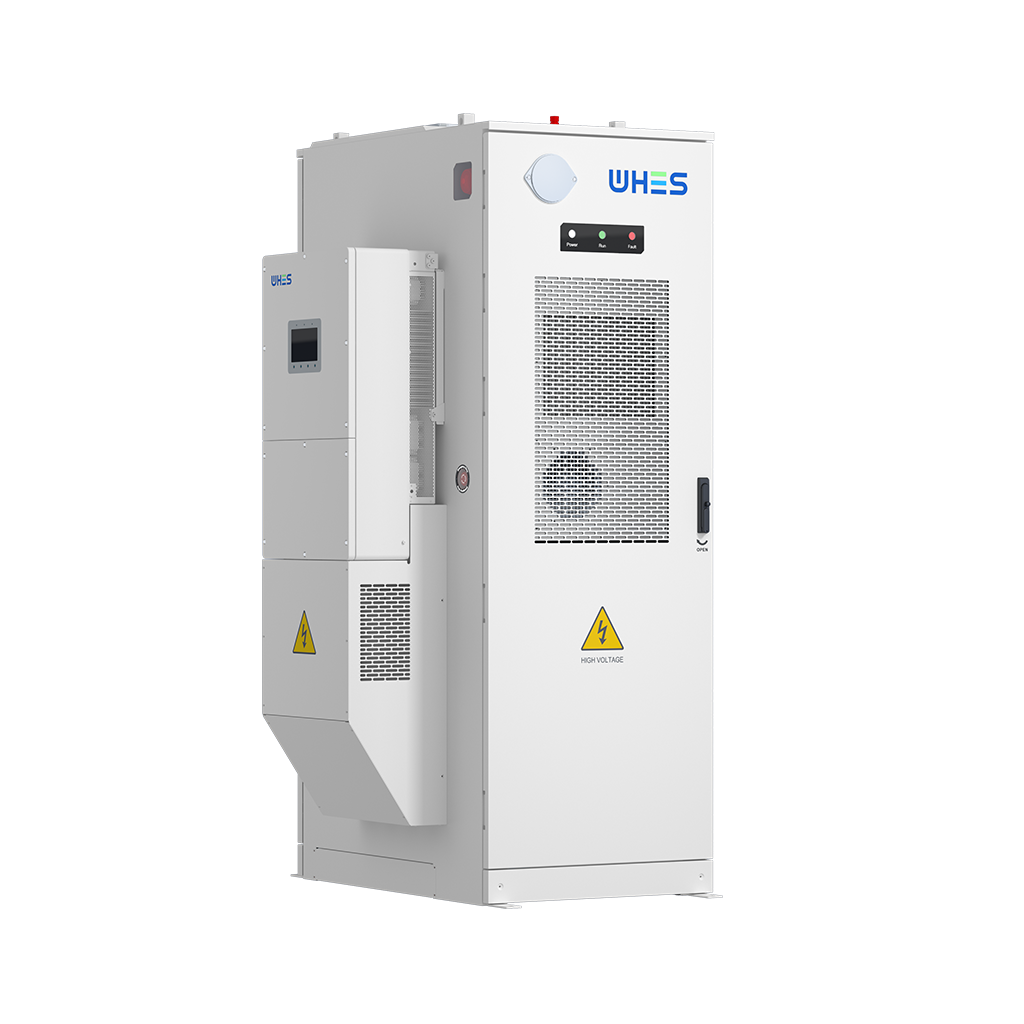
How to pick a vendor and operationalise the data
Look for suppliers that combine rugged sensors, low-latency telemetry, and analytics tailored to VPP dispatch patterns. Contracts should include agreed health metrics, data retention, and escalation paths for flagged cells. Pilot on a representative subset of your fleet, validate analytics with capacity tests, then scale. A pragmatic roll-out reduces risk and gives you evidence to optimise lifecycle economics.
Closing guidance
Precise sensing plus behind-the-meter analytics prevents many avoidable failures and turns data into decisions; expect lower replacement rates, steadier dispatch availability, and clearer ROI when you instrument intelligently. For operators aiming to protect yield and extend asset life, that combination is not optional — it’s core to reliable VPP performance. WHES.
Forward-thinking.