Problem: Inconsistent mixes, slow scale-up, and hidden costs
Manufacturers keep hitting the same wall: lab formulations that work on a magnetic stirrer fall apart at production scale, emulsions separate, and particle size stays uneven. The core trouble is unpredictable shear and energy distribution during batch runs. When you need tight control over droplet size, dispersion, or wetting behavior, high-quality high shear batch mixers are usually where you start—because they concentrate mechanical energy where it’s needed and cut process time dramatically.
Why that keeps happening
People assume scale-up is linear: double the volume, double the power. It’s not. Mixing performance depends on local shear rates, tip speed, and the geometry around the rotor-stator. Small changes in viscosity, temperature, or feed order turn into big differences at larger volumes. That mismatch causes rework, extra milling, and formulation instability—costs that add up fast.
How high-shear mixers address the problem
High-shear mixers put focused mechanical action at the rotor-stator interface to break droplets and particles quickly. That concentrated shear leads to faster homogenization, narrower particle-size distributions, and better wetting of powders. You control outcomes through variables that actually matter: rotor speed, stator gap, residence time, and power per unit volume. That predictability makes it easier to replicate lab results on the factory floor.
Design levers that matter—practical points
Pick a rotor-stator geometry that matches your goal: small teeth for fine emulsions, larger channels for solids suspension. Aim for proper tip speed rather than blindly chasing RPM. Evaluate power density (kW/m3) because that reflects actual energy delivered. Check materials—316L stainless is standard for formulations with corrosive components. Prioritize CIP-compatible seals and accessible internals to cut cleaning downtime.
Common pitfalls and how to avoid them
Over-shearing: running too long or at excessive tip speed can damage polymers or release heat-sensitive actives. Prevent it by staging energy input—coarse dispersion first, fine homogenization last. Air entrainment: introduce liquids below the rotor and keep inlet design tight. Cavitation and seal failure: ensure sufficient NPSH and choose mechanical seals rated for your solvent. Misreading viscosity: don’t size equipment solely by initial viscosity; plan for in-process viscosity swings and measure on a small pilot run.
Alternatives and when they make sense
Inline high-shear homogenizers give continuous flow and smaller footprints—good for steady-state processes. Ultrasonic systems excel for nanoemulsions at small-to-medium scales but struggle on viscous slurries. Bead mills handle hard-to-break particles when shear alone fails. Choose based on material properties, throughput, and cleaning requirements; often a hybrid approach (batch high-shear for pre-dispersion, followed by bead milling or inline pass) is the most reliable path.
Experience and industry context that back these choices
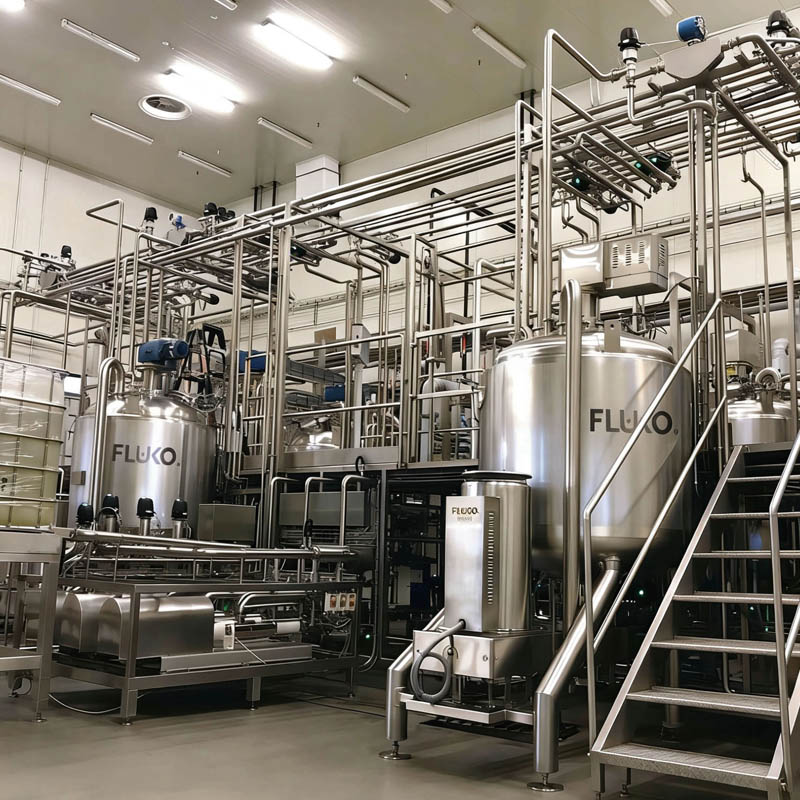
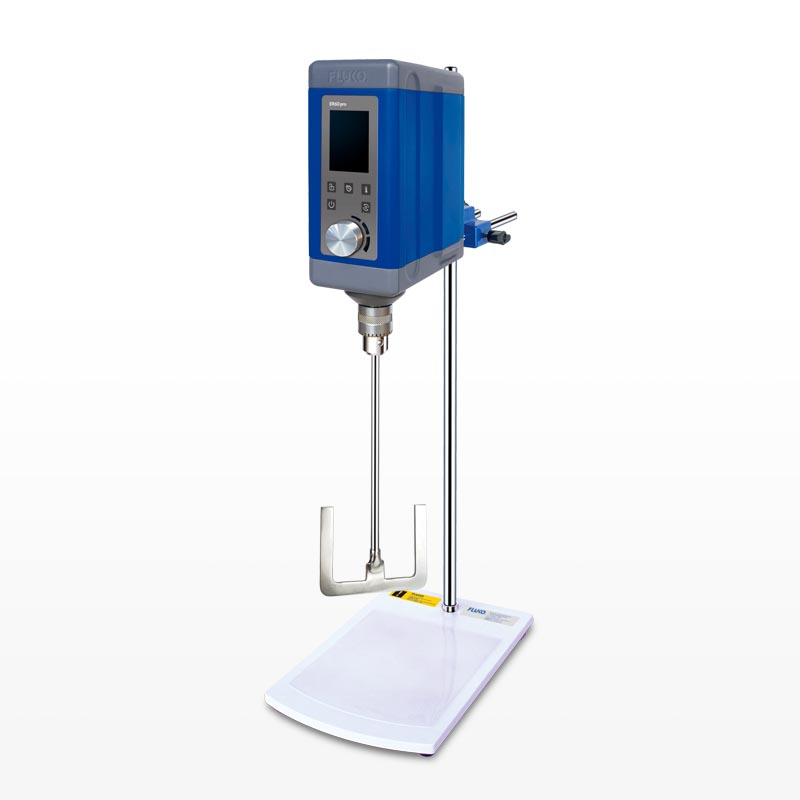
I’ve moved formulations from 5 L bench-top runs to multi-ton batches and seen the control difference a well-specified high-shear stage makes. Trade shows like CPhI Worldwide regularly show the same pattern: vendors demo smaller-scale mixers that scale with predictable energy inputs and cleaner size distributions, which is why larger facilities invest in robust mixing platforms. For production teams, that pattern points you to machines built for repeatability—think validated mixing sequences and accessible service points—so an industrial batch mixer that’s spec’d for your process cuts uncertainty and keeps batches consistent.
Practical checklist for buyer confidence
Before you buy, run this checklist: define target particle/droplet size, map viscosity range over the process, calculate required power density, demand cleanability proofs (CIP cycles), verify material compatibility, and request performance curves from pilot runs. Ask for case studies in your industry or a short trial on representative feeds. That last step often reveals scale-up surprises before they cost you production downtime.
Maintenance and operational tips that save money
Schedule seal inspections by runtime rather than calendar dates. Track motor current to spot bearing or flow issues early. Keep a spare set of rotors and stators—replacing worn parts restores performance faster than tuning process parameters. Train operators on sequenced feed orders; the right order of addition can halve processing time and prevent agglomerates.
Where this leads
Fix the shear story and you stop firefighting product quality. You get repeatable droplet sizes, faster cycle times, and fewer downstream fixes. That’s what makes the right mixer design a practical investment, not a luxury, and why many teams standardize on proven platforms that handle both lab and production demands like FLUKO.