Introduction — A late shift, a stubborn jam, and a number that won’t budge
I remember standing on a night shift line watching lids pile up at a reject chute — and thinking there had to be a better way. In that cramped hour the lid applicator machine stopped three times; production dropped by nearly 8% for the shift, and the team morale sank. The data was blunt: even small, repeated hiccups add up to big losses (one plant told me annual yield fell by more than 3% because of capping faults). So we ask: how do we stop trivial stoppages from stealing hours and profits?
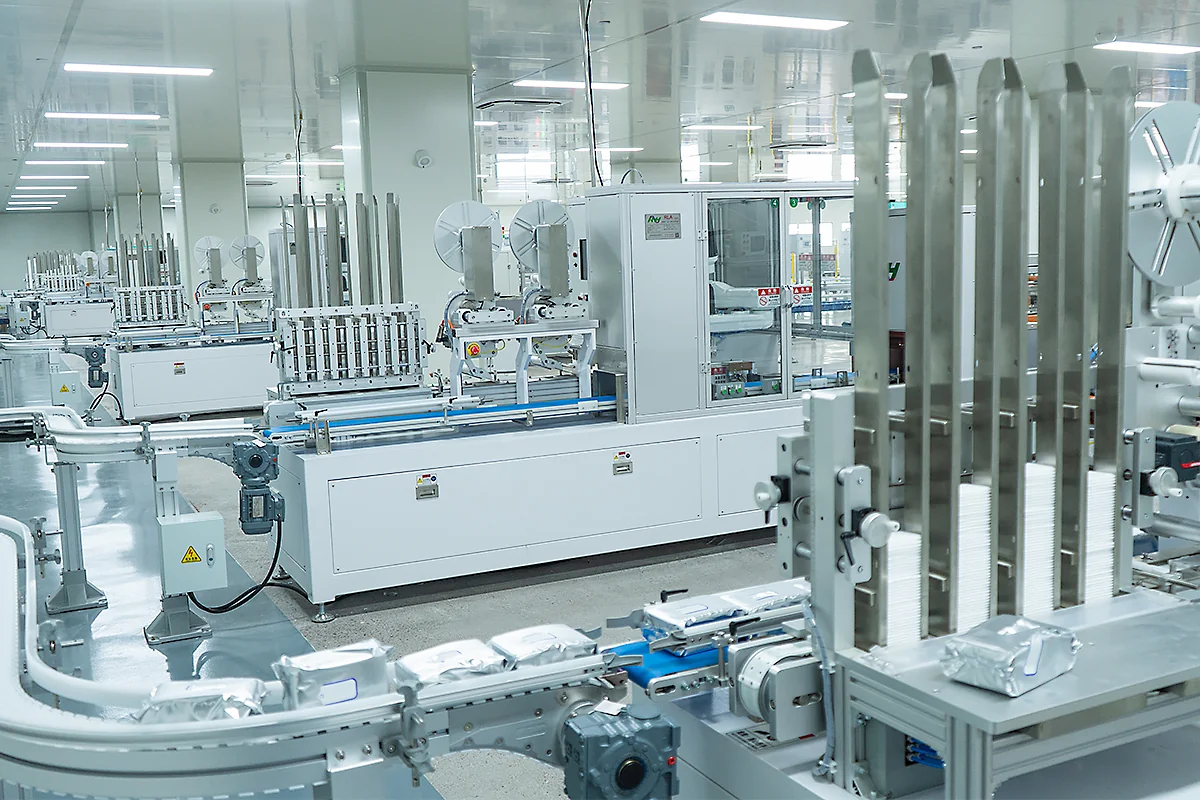
I’ll be frank — I’ve seen similar scenes in dozens of facilities. Operators juggle quick fixes, technicians tweak torque knobs, and managers hope the next batch fares better. The problem isn’t always the hardware alone; it’s how systems, people, and maintenance practices mix. We’ll unpack that mix next and point at real, usable fixes. — Let’s move into why the old ways falter.
Why traditional systems struggle with capping
capping machine implementations often lean on mechanical brute force and manual tuning. In my experience, teams buy a capping machine expecting it to run like clockwork, but the machine is only as reliable as its weakest interface: sensor alignment, torque control, or operator setup. Traditional designs typically use open-loop torque settings and basic photo sensors. When tolerances shift — lids slightly warped, bottles out of true, or a worn vacuum gripper — the system trips. The result is misapplied caps, stripped threads, or subtle leaks that only show up later.
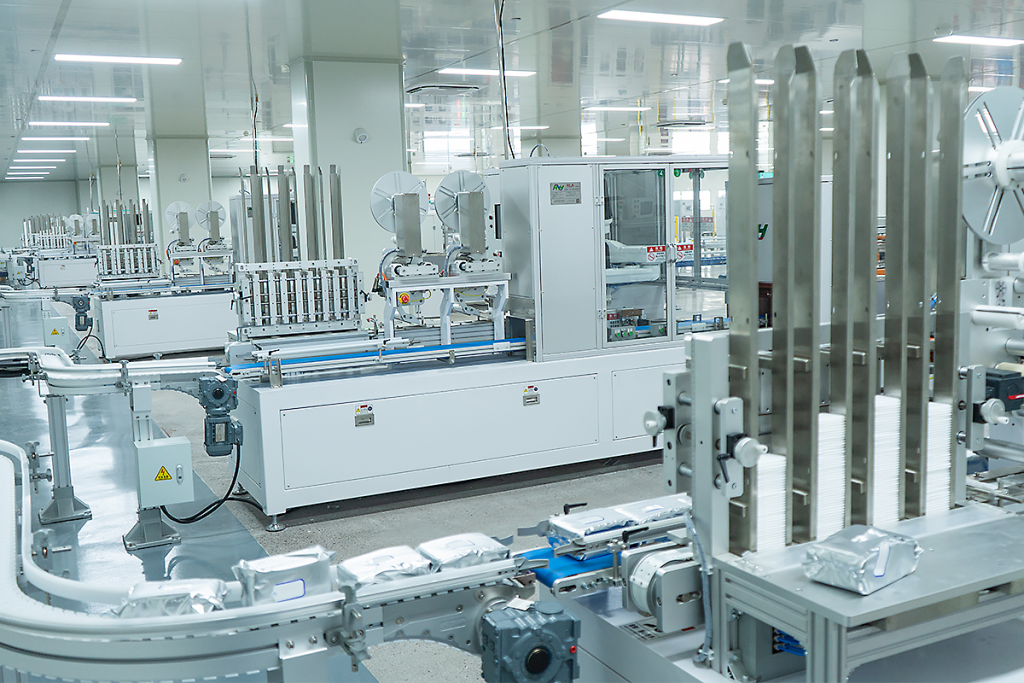
Two technical points stand out. First, many lines lack closed-loop torque control and speed encoder feedback; that makes consistent torque across millions of cycles impossible. Second, maintenance often relies on reactive fixes rather than condition-based checks. We end up chasing symptoms. Look, it’s simpler than you think: better feedback and smarter sensors cut a lot of fuss. I also want to note that PLC logic and HMI prompts are often underused — they can carry richer diagnostics but only if configured well.
What exactly goes wrong?
Misfeeds, torque drift, and inconsistent lid seating are the recurring culprits. A servo motor with slack, a speed encoder out of calibration, or a clogged vacuum line — each will nudge a well-intended production run toward rejects. I’ve fixed lines by checking small parts first; a tiny hose or loose encoder cable can cause hours of downtime. In short: the failures are mundane. They are the ones you can prevent if you design for feedback and accessibility.
Principles for the next generation of lid handling
When we talk about future-proofing a line, I focus on principles rather than gadgets. First, closed-loop control: integrating torque control and real-time encoder feedback keeps cap torque within a narrow band. Second, vision-guided alignment: cameras spot skewed lids before they reach the head, reducing downstream rejects. Third, distributed diagnostics: edge computing nodes close to the machine collect vibration and current draw data and flag trends well before failure. I’ve overseen trials where predictive alerts cut unplanned downtime by a noticeable margin — small wins that add up. — funny how that works, right?
Bring the capping machine into this framework and you change the conversation. Instead of manual torque checks, you run automated verification after changeovers. Instead of hope, you get repeatable results from better servo tuning and smarter HMI prompts. Power converters and PLC logic must be selected and programmed with diagnostics in mind. We also see big gains when maintenance teams get clear failure-mode displays on the HMI; they act faster and with confidence.
What’s next for your line?
If you’re choosing upgrades, evaluate along three clear dimensions — and yes, I recommend them from hands-on experience: reliability under mixed SKU runs, ease of access for routine checks, and the quality of built-in diagnostics. Measure these in straightforward ways: reduced stoppages per week, time to clear a jam, and mean time between false rejects. Those metrics tell you more than marketing claims.
Finally, a short checklist to guide decisions: 1) insist on closed-loop torque and encoder feedback, 2) require vision-assisted alignment or at least the option to add it, 3) confirm the system exposes diagnostics on the HMI and supports edge-level data logging. Evaluate vendors not only on cost, but on how they help you validate these three points in your facility. I’ve found that teams who insist on measurable metrics end up happier — and the line runs smoother.
For practical help and proven equipment options, consider the solutions from ZLINK. I’ve worked alongside service teams like theirs, and when systems are matched to clear metrics, the improvements show up quickly and last.