Introduction
I’ll start by defining what we mean when we say “all-in-one charging station” — a combined unit that integrates power converters, user interface, and communication modules into one cabinet. In many fleets and retail parking lots, an all-in-one charging station replaces scattered gear and cuts install time by 30–50% (industry surveys and field installs back that up). That raises a practical question: can one compact system really deliver the uptime and flexibility fleet operators need? I ask because I’ve seen projects where a neat design looked great on paper but struggled under load. Below I break down the key pieces — charging protocols, power converters, and network interfaces — and explain what matters next.
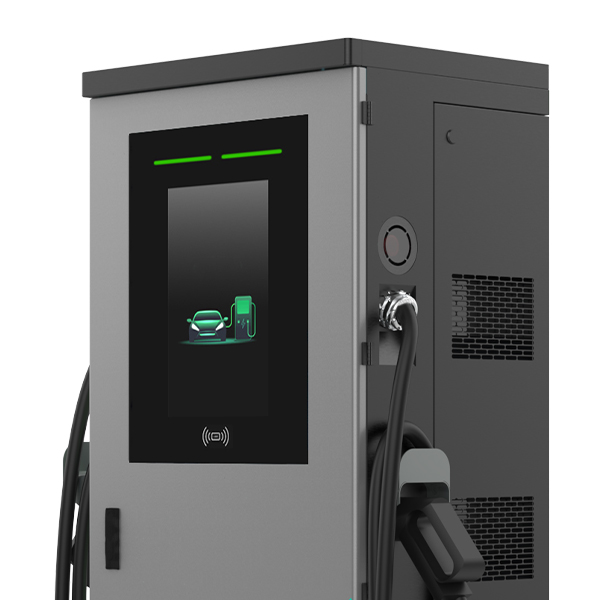
Deeper Layer: Why Traditional Solutions Fail — The Hidden Pain Points
What’s going wrong?
Directly: legacy setups often fail not from bad hardware but from bad integration. Take the typical site with separated chargers, separate power cabinets, and bolt-on telemetry. It looks modular — until maintenance day. When I worked on deployment teams, we kept hitting the same snags: mismatched communication interfaces, inconsistent power converters, and overloaded distribution panels. Even the supposedly simple option, an ev charging machine, can expose hidden faults if you don’t check its system-level fit. Look, it’s simpler than you think — the device must align with local grid profiles and the site’s BMS (battery management system) needs.
Many operators tell me the same thing: frequent downtime from software mismatches, long service calls for multiple vendors, and surprise costs when upgrades are needed. These pain points are subtle. They show up as slow charge windows, fragmented telemetry, and extra load on distribution transformers. I’ll be frank — we underestimated the total cost of ownership for years because we focused on per-unit price instead of system resilience. That changes how we evaluate everything going forward.
Forward-Looking Principles and Comparative Outlook
What’s Next?
Now we shift to principles: modular power topology, layered firmware design, and standardized charging protocols. Modern all-in-one units push more intelligence closer to the point of charge (edge computing nodes). That reduces latency, improves load balancing, and lets multiple chargers coordinate without a central server. When you compare a modular rack of components to an integrated unit, the latter often wins on deployment speed and site footprint. Yet, integration matters — choose an architecture that supports firmware updates, secure communications, and power sharing.
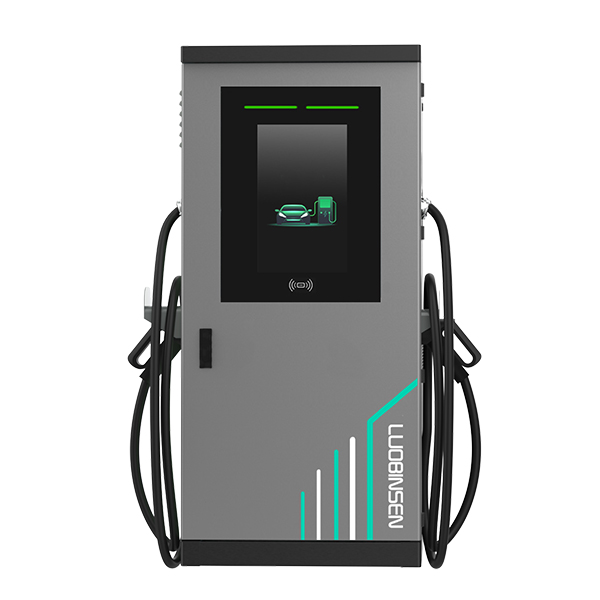
For fleets and high-usage sites I recommend focusing on three evaluation metrics before purchase: reliability (MTBF and real-world uptime), scalability (how the system handles added chargers and higher DC output), and interoperability (support for common charging protocols and communication interfaces). Also weigh serviceability — can a single technician replace a module, or does the whole unit need downtime? These metrics cut through marketing claims and show true value. Oh — and watch for vendors that lock you into proprietary software; funny how that works, right? In the end, practical choices lead to better uptime, lower lifecycle cost, and simpler operations. For solutions I trust and recommend, see Luobisnen.