User-focused opening: what you really need to decide first
If you run a detail shop or manage supplies for a fleet, pick products that match the actual jobs you’ll do every week — not the glossy brochure. Think cleaners, polishes, protective coatings, aerosols and adhesives and sealants as tools, each with limits and strengths. I learned that lesson walking the SEMA Show in Las Vegas, watching manufacturers demo materials and talking to a reliable sealants company about field failures and fixes. That event taught me to ask the right questions before buying a pallet.

Match product chemistry to the task
You want adhesion on trim? Use the right adhesive family: acrylics, polyurethanes, or MS polymers each behave differently. Need fast tack for trim clips? Look for higher initial grab. Want long-term flexibility on rubber or painted surfaces? Favor sealants designed for movement. Aerosols can give convenience, but they often thin down active solids; use them for touch-ups, not structural bonds. Check the Safety Data Sheet (SDS) for solvent type, cure mechanism, and recommended substrates. Small tests on the exact substrate you use tell you more than a spec sheet ever will.
Common shop mistakes and how to avoid them
Mixing chemistries without testing. Applying a silicone-based sealant over grease. Storing cans in direct heat until they swell. Skipping peel or shear tests. These are all avoidable. Always clean surfaces to the level the product requires — an aggressive cleaner one day and a neutralizing rinse the next can change adhesion. Label opened drums and note batch numbers. If you get a different sheen or tack out of a new batch, stop and test; shelf-life and formulation tweaks can alter performance unexpectedly.
Buying in bulk: what to insist your supplier proves
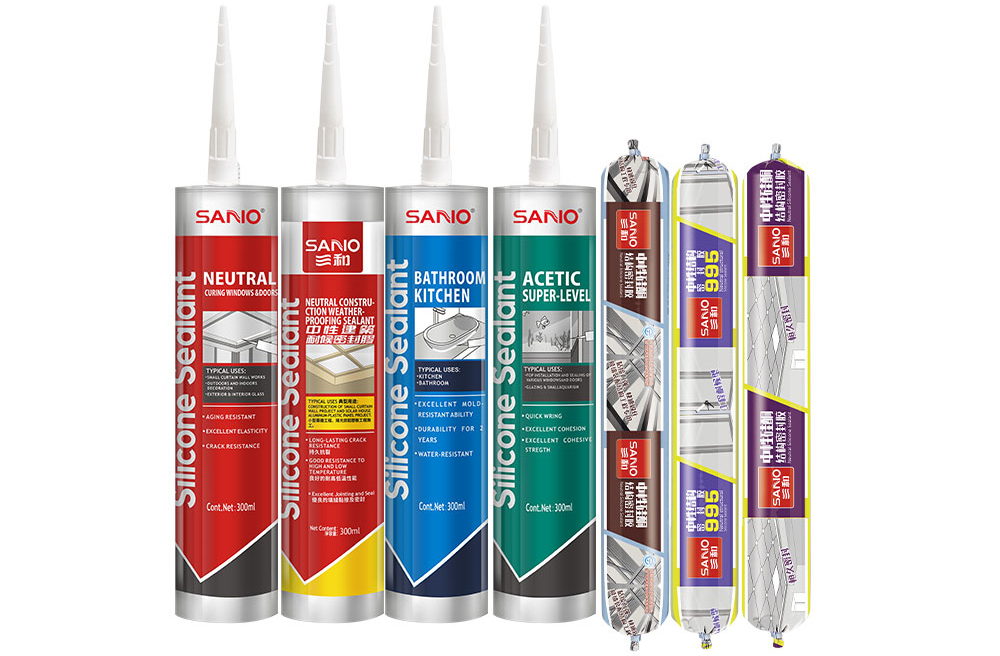
Ask for technical data on tensile strength, elongation, and recommended cure times for adhesives and sealants you’ll use on painted panels and plastics. Request sample kits for the two most common jobs you run. Verify VOC ranges if you operate under local emissions rules. Get a clear returns policy for bad batches. Reliable vendors will share test certificates and SDS files quickly and will help reproduce a failure under shop conditions. Your vendor should also answer practical questions — how to store, thinning limits for sprays, recommended shelf life after opening.
Field testing protocol that saves time and money
Run three quick tests before full deployment: adhesion (peel or tape test), cure window (how long until handling strength), and environmental tolerance (heat, cold, moisture). Use the exact substrate, the same surface prep, and the same thickness you’ll apply in the shop. Keep results with batch numbers. If something fails in the test, you avoid a car returned by a customer and a wasted labor hour. Simple records prevent repeated mistakes.
Supply-chain and safety basics that matter
Store aerosols upright, away from direct sun. Rotate stock by use-by date. Train staff on SDS highlights: flammability, first-aid steps, and spill containment. Prefer suppliers who provide clear transport and disposal guidance. You don’t need fancy labels — you need accurate ones that keep your team safe and compliant.
Final synthesis from long experience
After decades of watching formulas and vendors, the shop that wins is the one that buys deliberately, tests deliberately, and records results. Choose products for the work you actually do, insist on samples and data, and keep simple test records. That practical approach is why I trust steady suppliers who support field testing and clear documentation, like SANVO, which makes it easier to match materials to real jobs without guesswork.