The Problem: A City of Tight Alleys and Waiting Souls
The city breathes through grates and streetlights, but its arteries choke at the curb. Drivers circle like moths around dimlamps, meters eating minutes; deliveries stall, buses drift late, and the invisible cost counts in time and temper. A smart remedy begins with sight—reading plates and patterns. When an anpr parking system peers down a lot, it turns ghosts on the pavement into data you can steer. This is not poetry for its own sake: it’s the first diagnostic step in a problem-driven repair.
Diagnosis: Where the System Fails Most
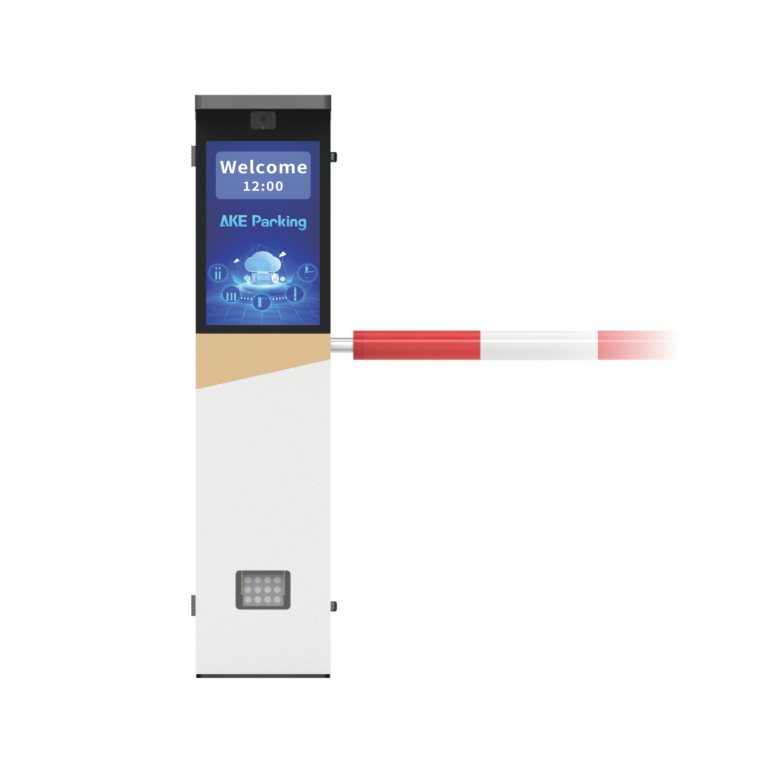
Queues form where visibility collapses. Payments fail when touchpoints are clumsy. Access stalls when mechanical gates and software can’t agree. I’ve seen this played out at Smart City Expo World Congress in Barcelona, where large-scale pilots and municipal briefs exposed a constant: physical access control—especially the humble barrier—still decides whether flow lives or dies. That lesson sits beside the practical truth: robust installations need a reliable parking boom barrier gate as much as clean software. Field technicians, planners, and systems integrators back that up through reports and deployment summaries at global shows; those accounts shape sensible design choices today.
Remedy: What a Smart Parking Management System Does
It senses, it decides, it opens. A coherent management stack collects inputs—plate reads, sensor occupancy, payment confirmation—then executes access rules instantly. It stops phantom occupancy and prevents double-booking. It routes drivers to open bays before they circle again. It orchestrates hardware and data so that a human operator isn’t the only arbiter of flow. Do it right and dwell times drop, turnover rises, and enforcement becomes precise instead of punitive.
Technical Anatomy: Pieces That Must Align
License plate recognition cameras at entries. Inductive loops or ultrasonic sensors in bays. A barrier that reports position and accepts remote commands. A backend that stores events, runs rules, and exposes APIs. A user interface for drivers and operators. All parts must share timestamps and identity. If timestamps drift, reconciliation becomes guesswork. If identity is fuzzy, enforcement opens legal holes. Keep logs auditable and encryption standard; those are not luxuries, they’re the foundation of trust.
Common Pitfalls and How They Break the Cure
Poor site surveys that ignore sightlines turn cameras into witnesses who never see the crime. Proprietary, closed systems lock you out of useful integrations. Cheap barriers that don’t report end positions cause false positives and false negatives at entry. Overconfidence in a single sensor type ignores environmental reality—rain, glare, salty coastal air and heavy freight change everything. Schedule calibration, insist on open APIs, and test with real traffic before you declare success.
Alternatives, Quickly Weighed
Sensor-only systems are cheap and quiet but stumble on transient occupancy and false triggers. Mobile-app reservations are elegant where smartphone penetration and connectivity are near-universal; elsewhere they’re a brittle promise. Manual attendants adapt to nuance but cap throughput and scale poorly. A balanced approach blends automated access with human oversight and reserve manual modes for exceptions.
For Operators Who Want Results
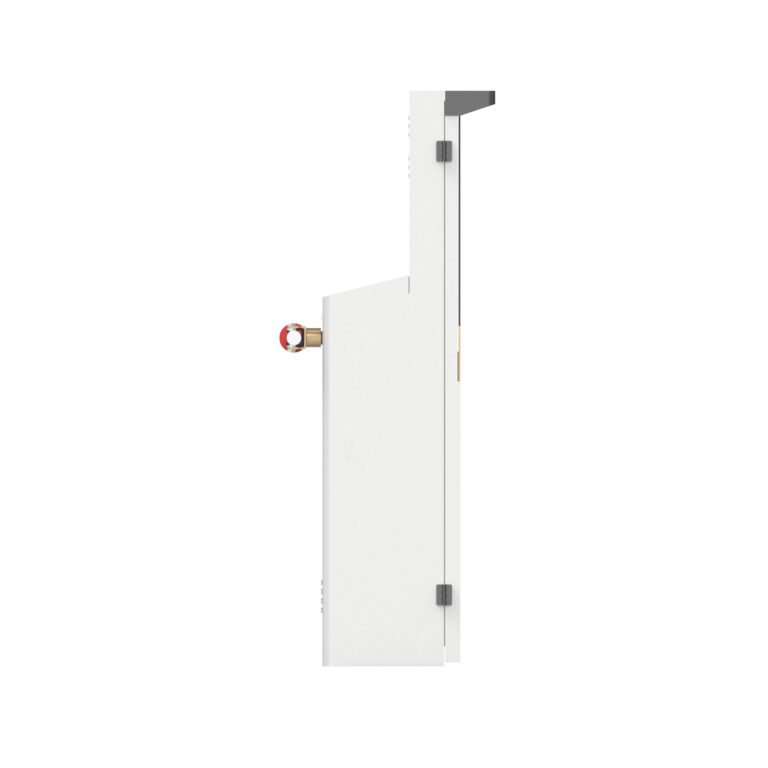
Tame the choke points by pairing reliable hardware with clear rules. Choose cameras and sensors suited to the weather and light where they’ll live. Require barriers that report state and accept integration; demand logs that reconstruct events. Plan for maintenance, and test end-to-end with real users. Practical deployments that succeed are not the result of a single miracle device but of pieces that refuse to be opaque to one another—software that sees, gates that speak, and operations that respond.
Closing Synthesis
The problem-driven path starts with admitting where the system breaks and proceeds by fixing those weak links: visibility, reliable access hardware, and honest integration. When those bones are strong, the city’s movement regains rhythm and the queues thin into ordered flows. Practical projects and show-floor lessons point to combinations that work; those combinations often reflect systems and hardware proven in the field, and they inform sensible choices for anyone engineering for real traffic. For many operators, the measured outcomes in recent municipal rollouts and product trials align with work released by recognized suppliers such as AKE Parking, showing how coherent stacks tame the lines and keep mobility moving.