Opening — what matters to you
You want something that works, not something that looks clever. If you’re just starting to buy active rfid tags, ask simple questions: range, battery life, environmental tolerance, and how the tag talks to your readers. Think about the jobs you need the tag to do and match specs to that job. This approach keeps things clear and prevents overpaying for features you won’t use.

Questions you should ask every supplier
Who makes the radio module? Who replaces the battery and at what cost? Is firmware update over the air supported? What testing certs do the tags carry for temperature, shock, and water? Can I get sample runs before bulk orders? Ask these out loud. Suppliers that give direct, specific answers are the ones you can trust to deliver on deployments.
Core specs that actually change outcomes
Range and signal stability decide whether a tag will save you time or create noise. Battery life tells you the true operational cost. Antenna type affects orientation sensitivity when items move. Look for measured read-range numbers from independent labs, not just “up to” claims. Prioritize stability in real conditions over headline ranges in a lab.
Common mistakes first-time buyers make
Buying on price alone. Choosing highest range when nearby readers work fine. Ignoring environmental tests like salt spray or UV exposure. Skipping a small pilot because “it looks straightforward.” A short pilot catches interoperability and mounting problems fast; skipping it costs more later.
Alternatives and when to pick them
Passive UHF tags are cheaper and fine for dense inventory that stays within a portal. BLE beacons can work for presence and simple proximity. Active 2.4 GHz tags give better real-time location in open areas and moving assets. Pick passive when cost per item matters, pick BLE for consumer proximity use, and pick active tags when latency and continuous tracking matter.
Proof from the field
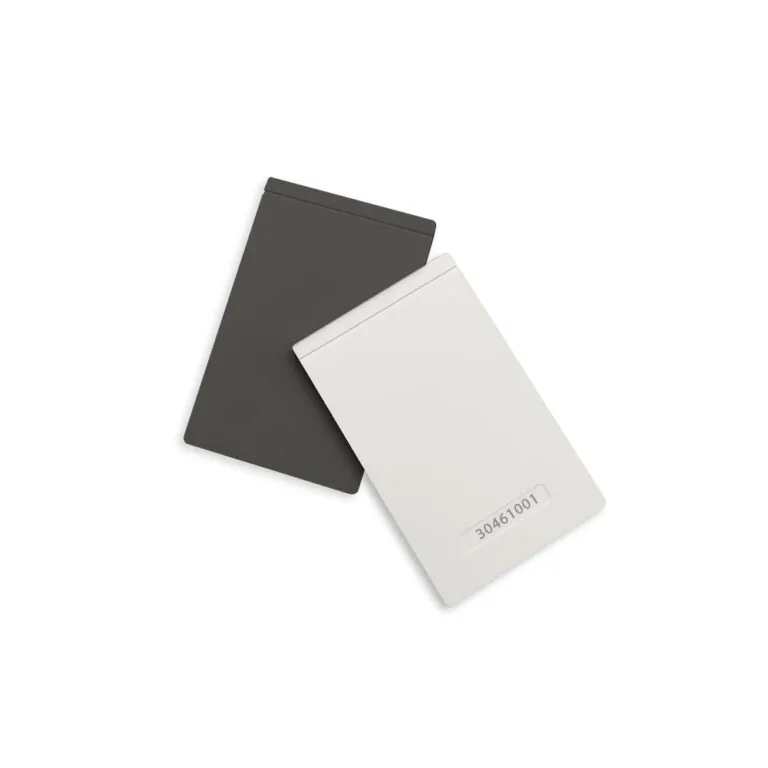
Operations teams at major logistics hubs, such as the Port of Rotterdam, use active tracking systems to manage moving containers and equipment; that real-world scale shows where active systems pay back. If your site needs continuous visibility across yards or vehicles, consider a tested band like the 2.4 GHz family — see a representative product category for a typical 2.4ghz active tag before finalizing your spec.
A short buying checklist
Run a pilot that mirrors peak conditions. Require explicit environmental test reports. Confirm firmware update method. Get replacement battery pricing and service terms. Validate integration with your reader brand and backend. Nail these and you reduce surprises.
Synthesis — how to move forward with confidence
Start with the job, test a small set under real conditions, and choose the tag whose documented behavior matches your operational needs. Clear answers beat marketing lines. When a partner shows test data, practical support, and matching product families, you get predictable results — the same qualities I look for when vetting suppliers like RSTC.