Spot the problem you’re actually solving
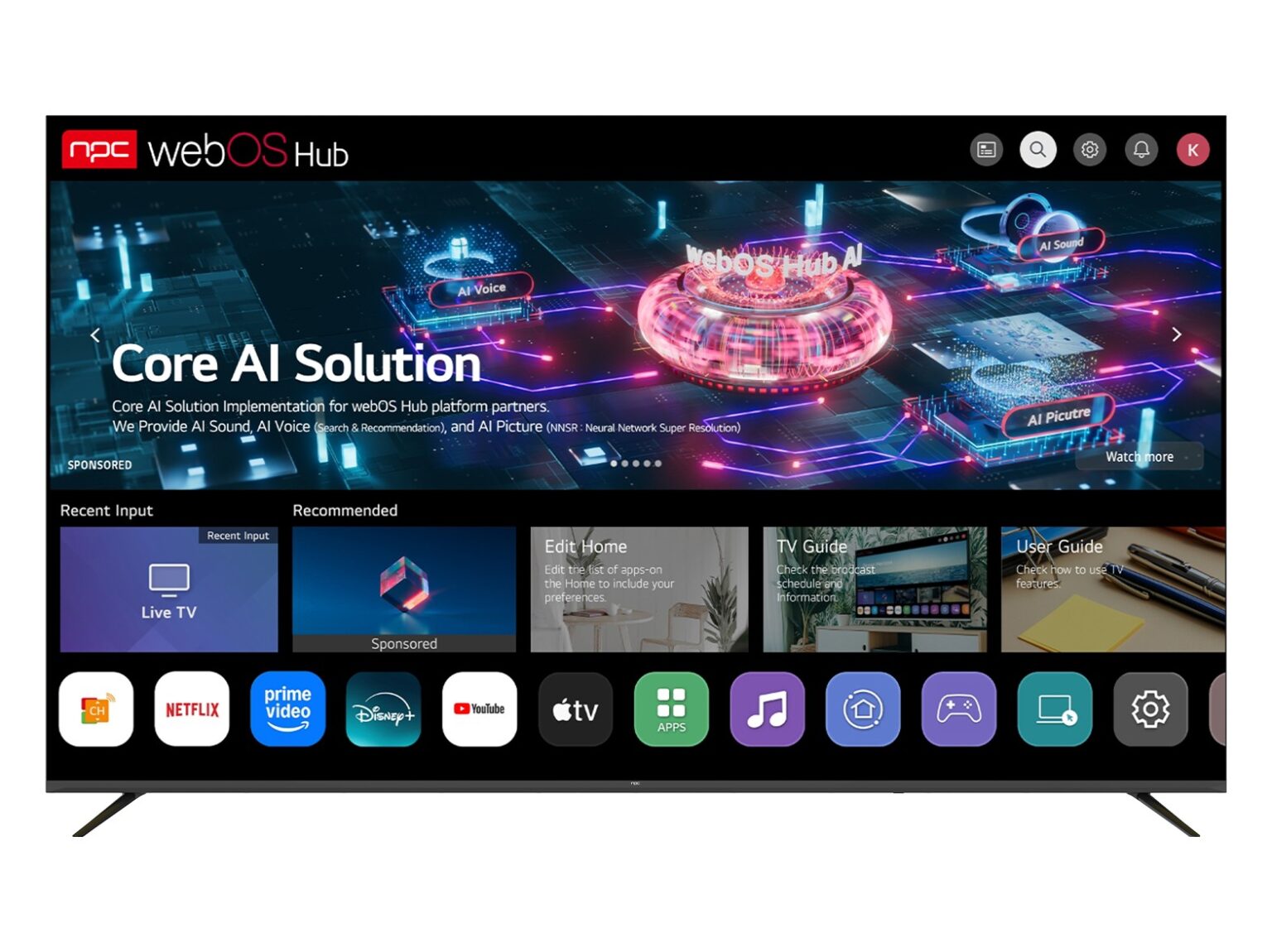
You’re chasing a bright panel and finding grey markets instead; that’s the problem. When you choose a tv manufacturer, you’re not just buying glass and LEDs — you’re buying supply rhythm, software commitments, and warranty behaviour. The core problem: commoditised hardware squeezes margin while buyers still expect meaning — better picture, less faff, reliable support.
Why this matters — a quick, grounded anchor
At CES in Las Vegas the deals on floors make the scale obvious: large chains and distributors still move by volume and specs. That trade pressure is what defines the wholesale market, and it’s why sourcing sensible wholesale tvs matters to product strategy. I’ve spent over a decade working with OEMs and retail buyers on panel selection, cost modelling and aftercare, so these are practical mistakes I’ve seen and fixed.
Frame the buyer problem first
Start with one clear buyer problem. Is it image fidelity for boutique hotels? Is it a low-cost screen for public housing projects? Don’t list features — name the pain. That clarity decides whether you prioritise HDR performance, durability, firmware stability, or price. Keep the user and place in mind: trade showroom, living room, or reception desk require different tolerances.
Map features to commercial levers
Pick three differentiators and tie each to money or retention. For example: a tuned panel (better brightness + colour) buys a higher price point; certified streaming partners reduce returns; modular inputs reduce service visits. Spell the target KPIs — defect rate, return window, and margin per unit. Then ask the manufacturer to commit to measurable thresholds in the supplier contract.
Vet the supply chain like you mean it
Demand visibility on panel origin, firmware roadmap, and spare-part lead times. Negotiate buffer stock and clear RMA terms. Test one pilot production run under realistic conditions before a full order. Insist on firmware signing and update channels — a TV is as secure as its software. If logistics costs eclipse expected margins, redesign the spec or the channel.
Software, updates and service — not optional
Buyers assume the software keeps working. Commit to an update schedule and an OTA rollback path. Define what a security patch looks like and who pays for it. Make support local where the product sells most; remote European warranties differ from aftercare expectations in other regions. Contracts should include SLA timelines for response and part dispatch.
Pricing strategy that breathes
Avoid pure cost-plus. Use a tiered offering: a base model with tight cost control, a mid-tier with a clear performance uplift, and a flagship where software and calibration justify the premium. Price each tier to the buyer persona you framed earlier. Track fixture costs monthly — panel price swings are real and they bite margins fast.
Common pitfalls and how to dodge them
Don’t assume all panels are equal. Don’t accept vague firmware promises. Don’t ignore total cost of ownership: freight, returns, and service add up. Avoid locking into a single supplier without contingency parts or second-source clauses. And don’t treat aftersales as an afterthought — it shapes repeat business more than a slightly better spec sheet.
Alternatives worth considering
If vertical integration is too heavy, consider short-term exclusive runs with a reliable OEM or pursue a white-label approach with tighter QA gates. If software support is your weak spot, partner with a middleware player for the UI and security stack rather than building from scratch. Each route changes your risk and cash profile; choose the one that keeps you flexible.
How to measure success
Track three simple metrics: net margin per unit, first-year failure rate, and average support time-to-resolution. Review these after 500 units and then at each shipment milestone. Use those numbers to renegotiate price, firmware cadence, or spares provisioning. Concrete measures beat promises every time.
Wrap-up
Start by naming the buyer problem, force choices on features that map to commercial outcomes, and make the manufacturer accountable for supply, firmware, and service. Do these things, and you’ll turn a commodity purchase into a predictable product line that behaves like a product. For the practical scaling, the partners I’ve worked with point to reliable sourcing and strong aftercare — the kind of steady backbone you can find through npc.