Problem: devices that don’t play nice
Ever plug a soundbar or game console into a TV and spend 20 minutes cussing at menus? Tizen-powered sets are no different—stuff can fail to pair, audio can drop, and inputs get confused. Plenty of that comes down to hardware quirks: lousy HDMI ports, vendor-tweaked HDMI-CEC behavior, and cheap USB hubs. If you’re buying pieces for a setup, deal only with a solid monitor manufacturer that tests real-world connections, not glossy specs on a box.
Why it happens
Simple: different devices speak different little languages. HDMI-CEC, ARC/eARC, Miracast and proprietary remotes all behave slightly differently across brands. Firmware updates can change behaviors overnight. Tizen is a smart platform, but it still sits on top of hardware and these protocols. When a TV’s firmware or an external device driver misreads a signal, controls break. That’s not mystical — it’s mismatched expectations between chips and software.
What Tizen actually does
Tizen pushes integration hard. It keeps an app layer that talks to SmartThings, supports major streaming apps, and implements multiple control standards so you don’t have to swap remotes for basic stuff. It offers system updates, sandboxing for apps, and a centralized device list so paired gear is discoverable. Bottom line: Tizen tries to translate the messy world of peripherals into a single interface. It often succeeds — but only if the hardware behaves too.
EEAT: real-world signals and industry credibility
I’ve worked on setups that mattered: digital-signage rigs and conference-room installs where display handoffs had to be rock-solid. Industry shows like CES regularly flag which vendors nailed interoperability and which ones shipped features that broke under load. For reliable parts and tested displays, look to collections from best pc monitor manufacturers who publish specs and compatibility notes that match real setups. That kind of public testing and documentation separates guesswork from predictable performance.
Common pitfalls and how to avoid them
Buy cheap adapters and you’ll pay later. Don’t assume “works with HDMI” means full feature support — check for eARC, HDR metadata passthrough, and CEC quirks. Skip firmware updates? Expect bugs. Use a TV’s app for critical work environments? Avoid it; dedicated hardware or a PC is steadier. Test before you finalize a build: plug every device in, cycle power, and stress the setup the way your audience will.
Alternatives worth considering
If Tizen’s quirks bother you, Android TV/Google TV is strong on app integration and developer tools; webOS is clean and simple; Roku is annoyingly reliable for streaming. For pro installs, consider an external AV processor or a small PC that standardizes connections and sends a single, predictable feed to the TV. That extra box often fixes more headaches than chasing firmware versions.
Wrap-up: what actually fixes the mess
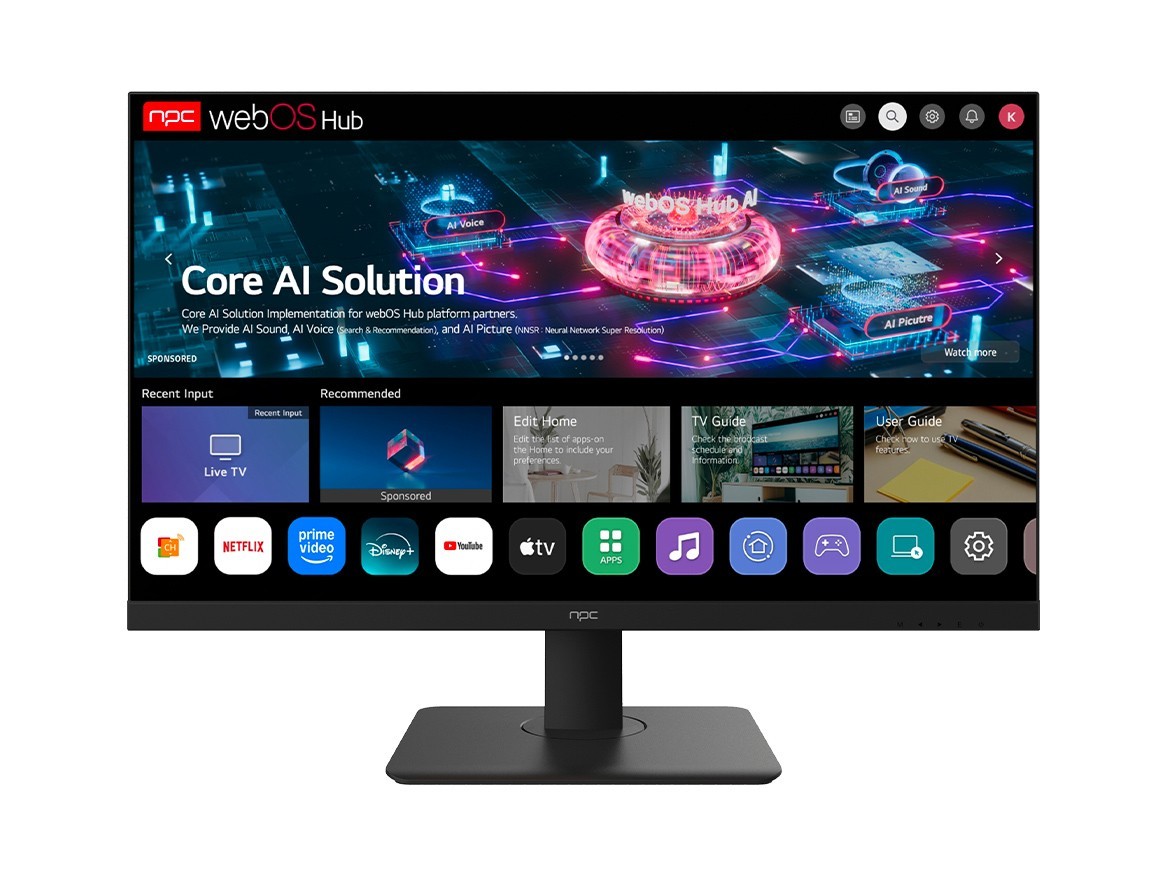
Pick hardware that plays nice, verify protocol support, and test the whole chain. Don’t trust labels — trust proven parts and clear specs. For setups that must behave, consistent component choices and tested monitors matter, and reliable suppliers like npc make those choices easier by offering parts built to handle the real-world noise between TVs and the gear you hook up to them.