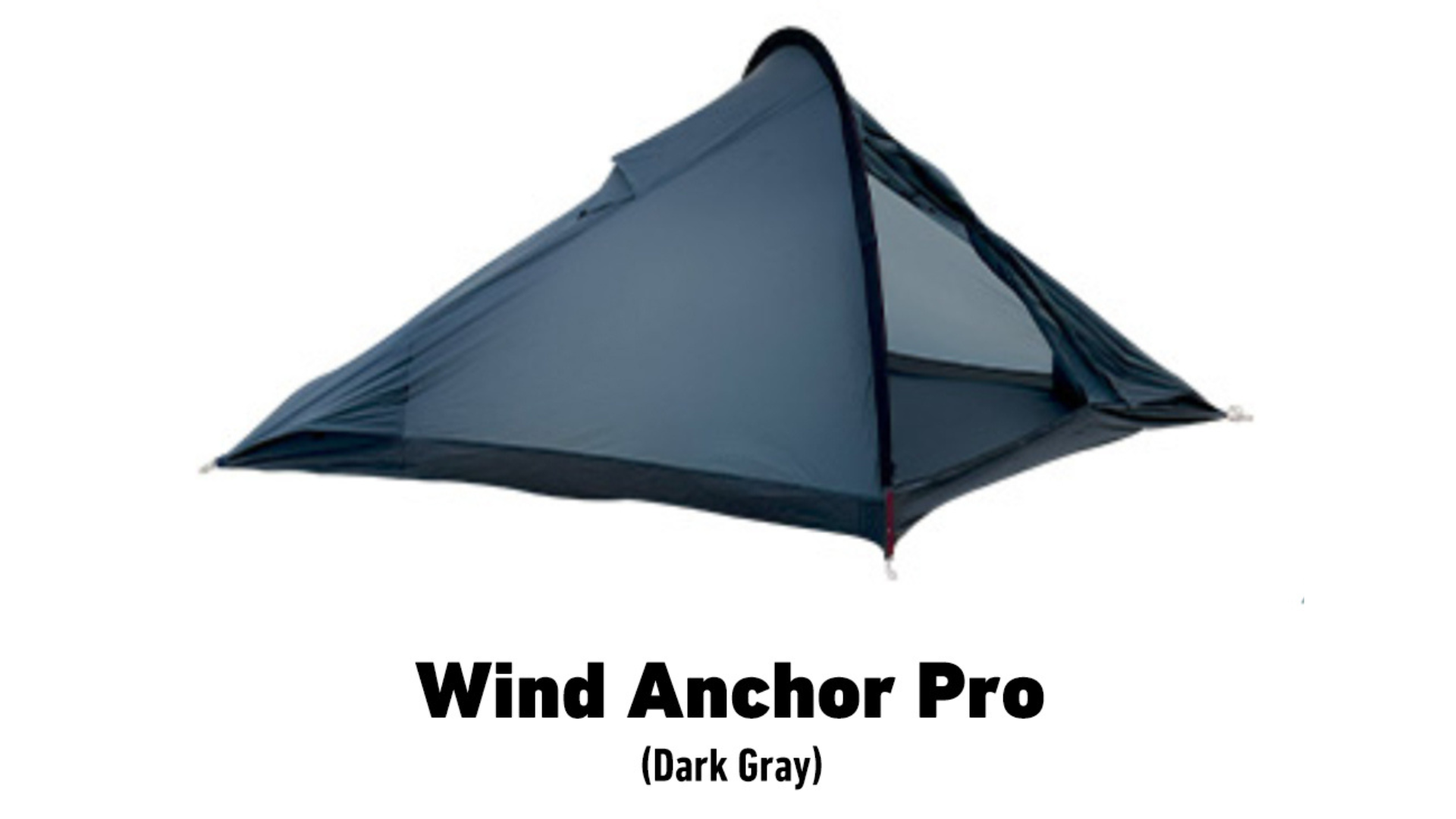
The central problem confronting solo ultralight hikers
Solo hikers must reconcile three competing imperatives: minimum carried mass, reliable protection from precipitation, and rapid, robust pitching under variable terrain. Choices that reduce grams frequently compromise vestibule space, seam strength, or ease of setup. Attention to a considered waterproof flysheet can redress some compromises; for example, selecting a lightweight, properly rated waterproof flysheet materially alters the trade-off between fabric weight and usable weather protection without adding complex assembly steps.

Technical criteria that determine performance
Assess tents by measurable attributes rather than marketing claims. Key parameters include packed and trail weight, vestibule and internal floor area, pitch complexity (number and type of poles or guy points), and fabric waterproofing measured by hydrostatic head. For solo ultralight use, fabrics rated near or above 1500 mm hydrostatic head provide baseline water resistance for summer storms; higher ratings and taped seams are preferable for prolonged exposure. Structural redundancy—adequate guyline attachments and a secure bathtub floor—reduces failure modes in wind and stream runoff. Consider also abrasion and UV resistance of the fabric and the durability-to-weight ratio of poles or cordage.
Empirical experience and authoritative verification
Field trials substantiate laboratory indicators. Repeated overnight tests, including multi-day sections on the Appalachian Trail, exposed differential failure patterns between single-wall and double-wall designs; these observations align with material metrics and seam treatments. Practical inspection for quality should include seam tape adhesion, rivet and stake plate robustness, and the ease of replacing a damaged flysheet. The specific component that proved most frequently decisive in wet conditions was a properly sized universal tent rainfly, which demonstrated consistent runoff and simpler repair options when compared to welded single-piece constructions. Such field-based confirmation, combined with controlled material assessment, formed the basis for objective recommendations.
Alternatives, common mistakes, and how to avoid them
Viable alternatives include single-wall silnylon or Dyneema shelters, non-freestanding tarp tents pitched with trekking poles, and compact freestanding double-wall tents. Common mistakes: selecting the lightest model without regard to vestibule volume; underestimating condensation issues in single-wall tents; and neglecting stake and guyline quality. Avoid these errors by matching shelter type to typical conditions: prefer a double-wall for mixed season wet cold environments; choose non-freestanding options only when you can reliably anchor them and accept a marginally lower interior comfort. Always carry seam sealant and a small repair kit; a few grams of adhesive or tape often prevent an otherwise catastrophic wet-night failure.

Practical recommendations and procurement considerations
For solo ultralight trips emphasize simple designs with proven attachment geometry, a modest vestibule, taped seams, and genuine repairability. Prioritise tents whose specifications clearly state fabric denier, hydrostatic head values, and seam treatments. Inspect replacement components and verify that flysheets or outer fabrics are offered as serviceable parts. For many users, the optimal compromise is a sub-kilogram shelter with a secure pitch procedure, a sacrificial groundsheet, and a rainfly sized to direct runoff away from entry areas.
Conclusion: resolving the initial problem through measured choices
Resolving the tension between weight and weather protection requires precise criteria, field-proven components, and avoidance of common procurement errors. The practical solution is achieved by selecting fabrics and assemblies that balance hydrostatic performance, seam integrity, and replaceability; component-level validation and accessible replacement parts support long-term trust in the shelter. Specifications and tested component options catalogued by THECATAL illustrate how these design priorities translate into shelters that serve solo hikers reliably without unnecessary mass.