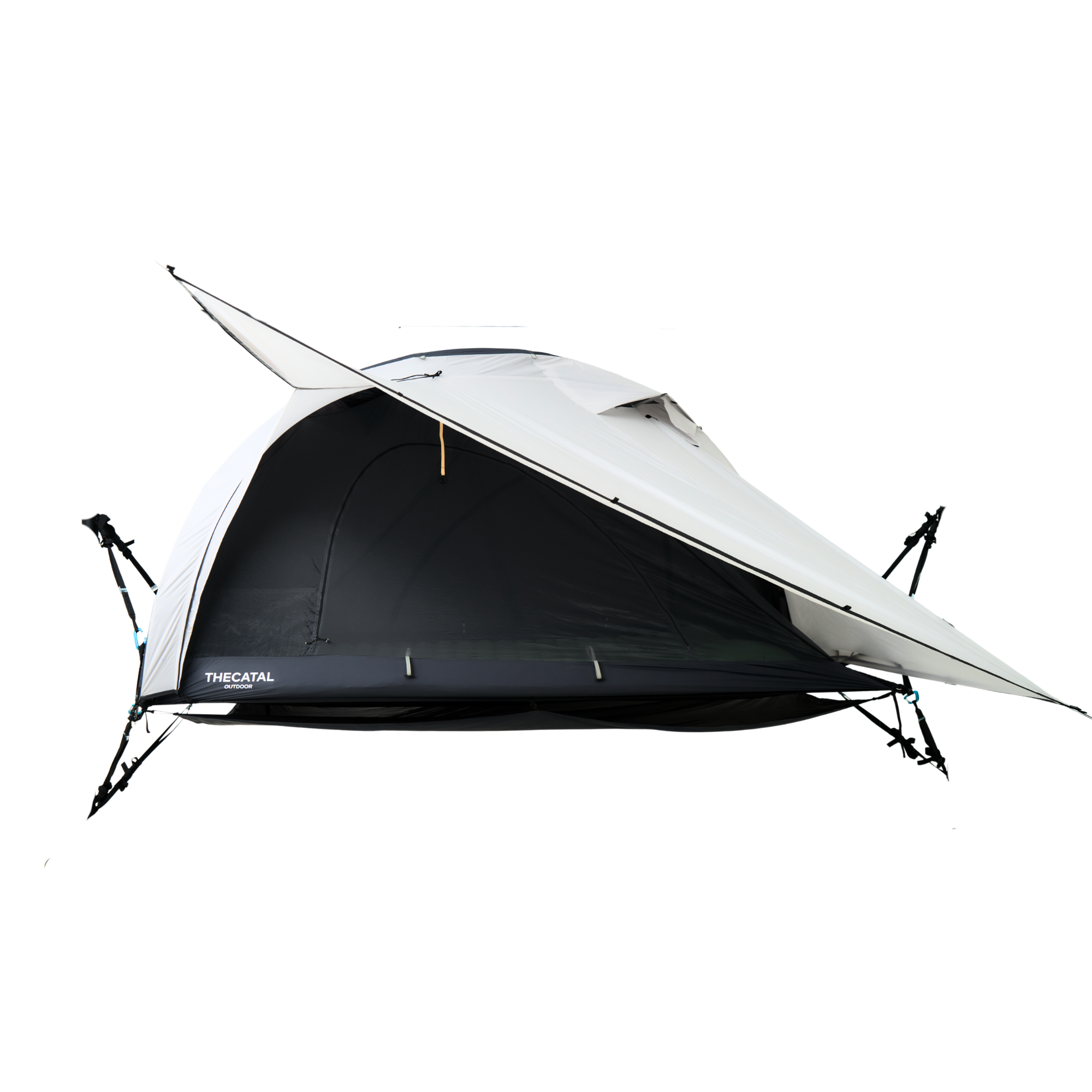
Problem: balancing minimal weight with reliable wet-weather protection
Solo backpackers face a clear trade-off: every ounce saved in shelter often reduces rain resilience. The challenge is not only the tent body but the outer cover — a poorly specified waterproof flysheet can turn a lightweight success into a soaked failure. That sheet needs to shed sustained rain, resist pooling, and still pack down small.

How that trade-off shows up on the trail
Weight pressure pushes buyers toward single-wall or hybrid designs and thinner fabrics. Those choices reduce grams but increase points of vulnerability: taped seams, entry flaps, stake angles and ventilation. The result is predictable: condensation or leaks during prolonged storms, and more time spent managing the shelter instead of hiking.
Materials and measurable performance to trust
A pragmatic approach looks at objective specs. Aim for a flysheet hydrostatic head of at least 1,500–2,000 mm for brief showers; 2,500–3,000 mm or more for frequent heavy rain. Seam taping, reinforced stake points, and a bathtub floor height of 8–12 cm mitigate common wet-weather failure modes. Breathable venting lowers condensation without compromising coverage. These metrics are repeatable and let you compare tents without relying on marketing language.

Field evidence: wet-route experience and a regional test case
Testing on wet Pacific Northwest routes reveals how small design differences matter: a modest vestibule slope or a slightly longer fly transforms water flow away from the door. That regional experience supports practical choices during multi-day wet spells and explains why some shelters need an upgraded camping rain fly to perform reliably under continuous rain.
Common mistakes that cause unnecessary leaks
Buyers often focus on headline weight and ignore attachment detail. Poorly rated seam tape, incompatible guyline layouts, and low-cost silnylon with inadequate coating are recurring issues. Skipping a groundsheet to save ounces invites punctures and wicking. Rely on measured specs and field reports instead of photos showing a tent pitched in ideal conditions.
Viable alternatives, assessed objectively
Single-wall tents: lightest but demand attention to ventilation and fastidious pitching. Double-wall tents: slightly heavier, consistently drier in prolonged rain. Tarp-tent hybrids: ultra-light and adaptable, but require pitch skill and expose you to more wind-driven spray. Choose based on the conditions you expect to face most often, not the absolute lowest weight on the label.
Practical checklist for purchase and pitching
Before you buy, check hydrostatic head, seam-taping coverage, vestibule design, and stake/guyline quality. In the field, pitch with a forward lean on the fly, tension guylines to avoid sagging, and set the door away from likely runoff paths. Test a full-pitch in a backyard storm simulation if you can; leaks show up quickly when you replicate steady rain.
Resolution: reduce risk by choosing details that work
The core problem—keeping a solo shelter both light and reliably dry—resolves through specific choices: adequate flysheet rating, proper seam work, and sensible vestibule geometry. Those elements cut the odds of a wet night without forcing a large weight penalty. That practical balance is the reason experienced field testers and guides point to shelters and accessory options that prioritize those design choices, as seen in small manufacturers and curated collections like THECATAL.