Introduction — a short shop-floor moment, data, and a question
I once watched a technician swap a drive in a small workshop, muttering about ripple and unexpected trips; that scene stuck with me. In many such settings the motor controller is the fulcrum of uptime, and for good reason: modern systems report up to a 30% drop in energy waste when the right controller and tuning are used (so the savings matter). Which controller choices actually deliver that gain, and how do you spot the traps? (I’ll be candid—there are a few.) This piece will walk through practical issues and sensible choices so you can act with confidence.
Peeling back the layer: flaws in traditional designs and hidden user pains
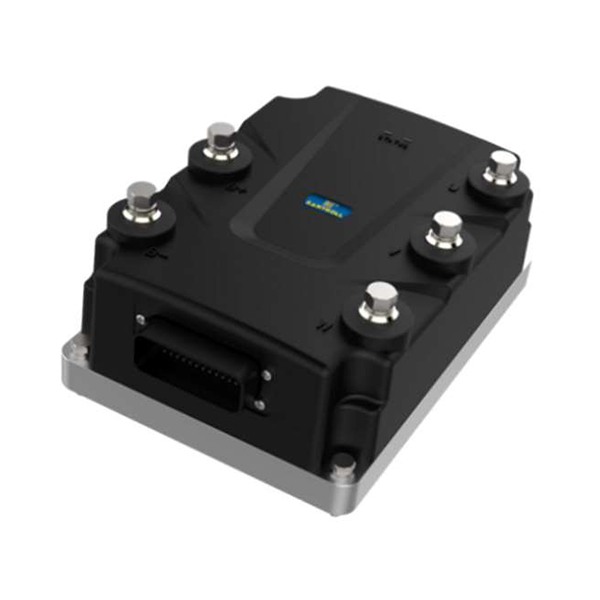
ac electric motor controller systems often arrive as a “set and forget” promise, but in practice I find they expose several recurring weaknesses. First, legacy designs rely heavily on basic PWM schemes and coarse torque control, which can mean higher torque ripple and audible noise. Second, installers face opaque parameter menus—too many knobs without clear guidance—so commissioning becomes trial and error. Third, communication limits (slow serial links, minimal telemetry) hinder predictive maintenance, so faults turn into downtime rather than warnings. Look, it’s simpler than you think: poor feedback loop design and lack of diagnostic data are the real culprits.
Technically speaking, many controllers still treat motor, load, and environment as separate problems. That old approach misses system-level interactions—thermal cycles affect power converters which then change control behaviour, for example. The result? Unexpected trips at peak load, or subtle performance loss over months. I’ve seen field teams spend hours chasing what turned out to be a tuning mismatch rather than hardware failure — funny how that works, right? If we measure only motor currents and ignore vibration or temperature, we build blind spots into our maintenance strategy. To fix this, we must consider better telemetry (edge computing nodes, sensor fusion) and clearer control strategies like field-oriented control to align electrical inputs with mechanical load. These are not exotic ideas; they’re practical steps that reduce surprises and reward careful commissioning.
So what do users complain about most?
Commonly: confusing firmware menus, poor energy efficiency in part-load operation, and scant diagnostic logs. I sympathise—I’ve been on the receiving end of angry calls at 2 a.m.—and I prefer solutions that make daily use less stressful.
Looking forward: new technology principles for next-gen controllers
What’s next is less about a single magic component and more about how principles combine. I favour controllers that apply sensorless control where appropriate, but also support true closed-loop feedback when precision matters. The rise of embedded intelligence—simple edge computing nodes tied into the controller—lets us spot trends before a fault manifests. For brushless systems, the bldc motor controller approach now blends field-oriented control with adaptive tuning: the controller measures current, estimates rotor position, and adjusts parameters in near real time. That reduces effort at commissioning and improves efficiency across varying loads.
In practice, a modern design pairs improved algorithms with pragmatic electronics: better thermal design for power converters, richer telemetry for remote diagnostics, and easier user interfaces so engineers actually use the features provided. I believe this mix yields tangible gains—lower downtime, fewer service calls, and measurable energy savings. — and yes, you’ll get fewer surprised customers when you deploy it. What’s more, shorter commissioning times free teams to focus on optimisation rather than firefighting. If you want a quick checklist: ensure the controller supports FOC or equivalent, has sufficient telemetry bandwidth, and offers robust thermal management. Those principles guide sensible procurement decisions.
What’s Next
Adopting these principles doesn’t require ripping out everything. Start with pilot projects, measure results, and scale what works. I suggest focusing on practical wins: better tuning routines, clearer fault logs, and selective use of edge analytics to extend mean time between failures. Over time, the savings in labour and energy compound.
Closing advice — three metrics I use when choosing a solution
When I advise teams, I keep three evaluation metrics front and centre: (1) Diagnostic depth — can the controller tell you why it tripped, not just that it did? (2) Control fidelity — does it support modern algorithms like FOC or adaptive torque control to minimise ripple and losses? (3) Integration readiness — can it export telemetry to your monitoring stack or accept firmware updates without drama? Use these as a simple sieve to separate flashy marketing from useful engineering. I’ve tested these in the field, and they predict practical outcomes far better than spec sheets alone.
In short: be practical, insist on clear diagnostics, and favour architectures that let you iterate improvements. We want fewer surprises and more predictable performance — and that’s precisely where better motor controllers pay back. For reliable hardware and a sensible product line, I often point colleagues toward Santroll.