Introduction
Have you paused and wondered why a simple glow can feel so promising? I watch athletes, office workers, and late-night parents try a red light bed hoping for relief, and the results are often surprising—some people report faster recovery, less soreness, and better sleep. Red light bed sessions have been linked in studies to measurable shifts in cell activity and reduced inflammation (wavelength matters, as does dose). So what actually makes the glow work, and when does it fail us?
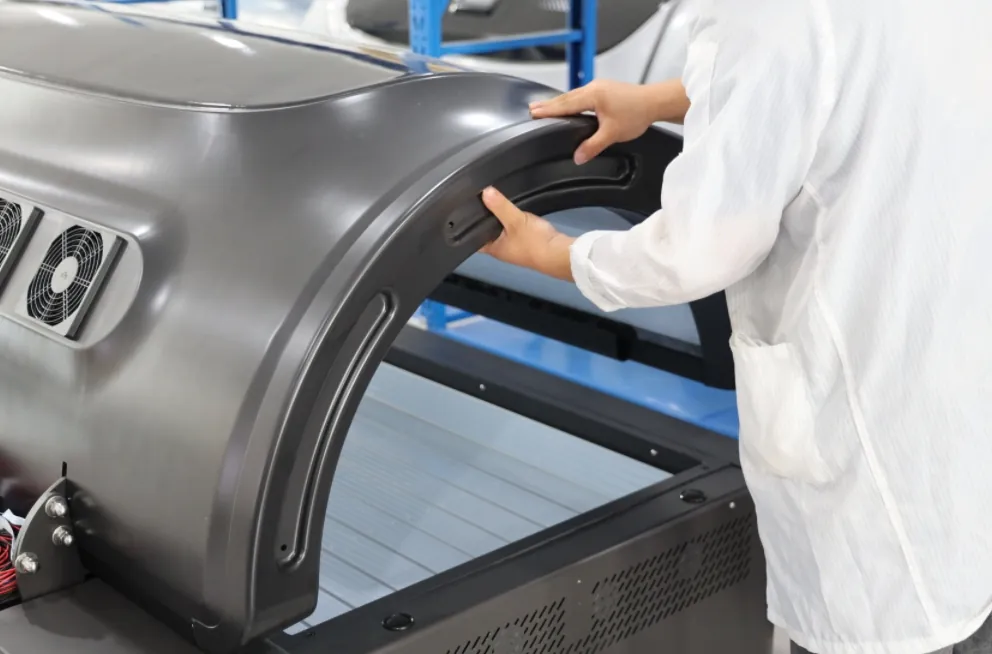
I like to start with a scene: imagine someone collapsing onto a treatment table after a long shift, seeking a small, steady warmth that seems to promise repair. Data from small clinical trials suggest improvements in muscle recovery and skin healing when the right irradiance and wavelength are used—but the numbers vary. Why such mixed outcomes? That question is the hinge that leads us deeper into flaws and hidden pains. Let’s move into where the theory meets messy reality.
Peeling Back the Layers: Traditional Flaws and Hidden User Pain
When I examine led light bed therapy, I don’t romanticize the tech. I critique it. For one, many systems ignore dosage consistency. Manufacturers sell sessions by time rather than by photon flux or power density, and that creates wildly different exposures. Clinicians and users think they’re getting the same treatment when, in fact, wavelength (usually 630–660 nm or 810–850 nm) and irradiance can differ by orders of magnitude. Look, it’s simpler than you think—if you change those variables, outcomes change. This is not minor; it’s central.
Another flaw I see is a mismatch between marketing and practical use. LED arrays are sold with glossy claims, but few setups include clear power converters or calibration routines. Patients may pay for a “session” yet receive uneven light fields—hot spots here, weak zones there. The result: inconsistent skin dosing, incomplete muscle penetration, and frustrated users who stop coming back. — funny how that works, right? From my perspective, these are not technicalities; they are user pain points that erode trust.
How often does this happen?
Too often. Users report confusion about session length, variable comfort, and little guidance on cumulative exposure. Professionals sometimes lack simple metrics like delivered joules per cm². The gap between lab protocols and consumer devices is wide. If you pair improper wavelength with low irradiance, you may get nothing but a warm lamp—not therapy. That misses the promise entirely.
Forward View: Principles for Better Red Light Bed Design
Now I want to look forward. I believe better design rests on three technical principles: controlled wavelength selection, consistent irradiance mapping, and clear dosing metrics. New control systems—smart drivers and calibrated LED arrays—can deliver repeatable photon flux. When engineers focus on uniform power density across the bed surface, users receive predictable treatment. In my experience with equipment reviews, I’ve seen great improvement when devices include simple readouts of irradiance (mW/cm²) and suggested cumulative dose (J/cm²). That transparency builds confidence.
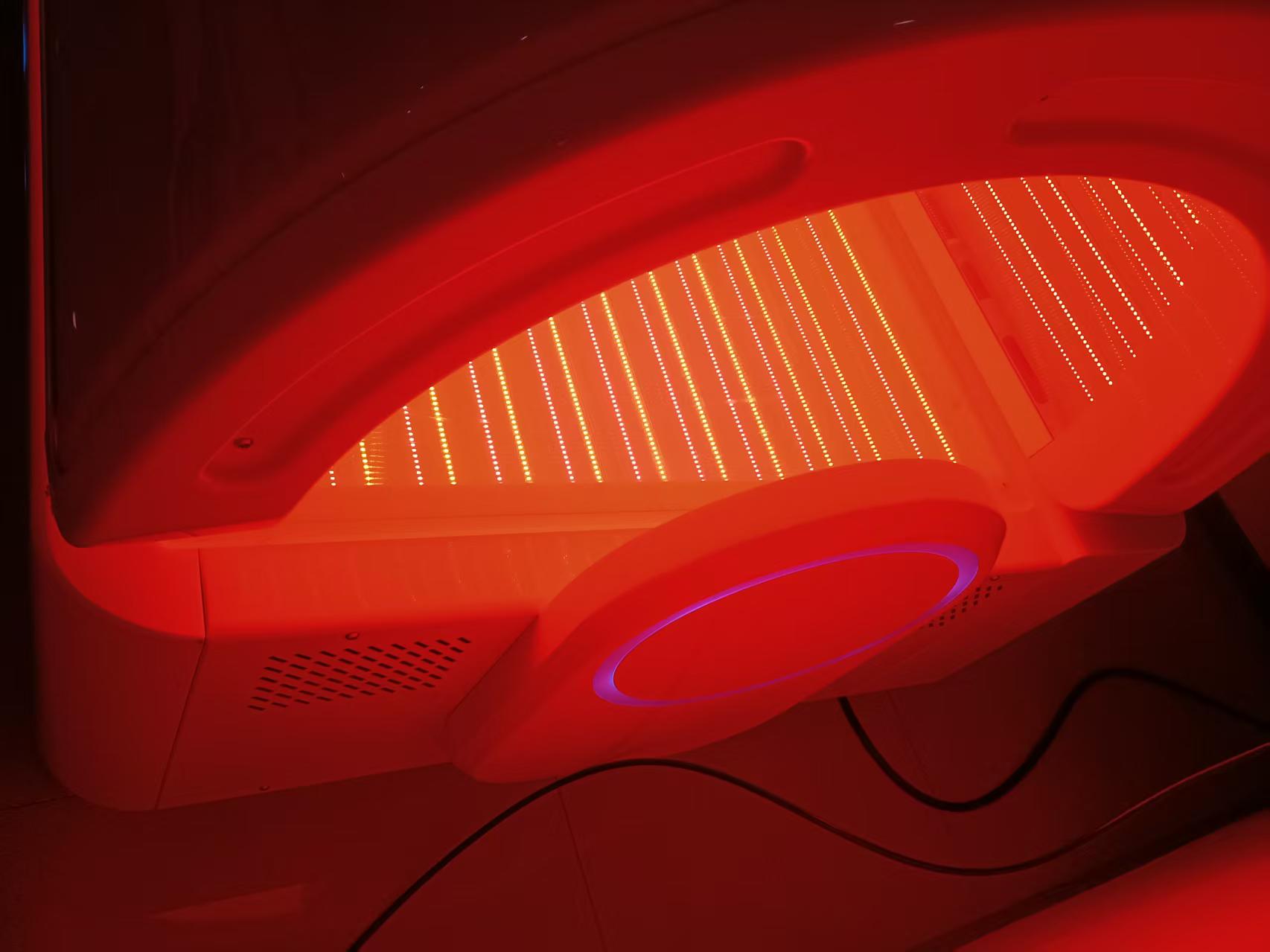
Consider the practical side: modular LED modules, heat management, and reliable power converters extend lifetime and stability. Manufacturers who adopt these principles reduce maintenance surprises and improve clinical reproducibility. I’m optimistic—there’s momentum in the field toward better standards. — believe me, small engineering changes make a big difference.
What’s Next?
We should push for devices that communicate clearly. Users want to know what they’re getting: exact wavelengths, measured irradiance, and recommended cumulative doses. Clinicians want protocols that translate from lab to bedside. To help you choose, here are three concrete evaluation metrics I use personally when assessing red light beds:
1) Measured irradiance across the treatment surface (mW/cm²). 2) Wavelength specification with narrowband tolerance (nm). 3) Dose guidance in joules per cm² with clear session counts. These metrics cut through marketing and let you compare devices objectively.
In closing, I’ve seen the promise—reduced soreness, improved skin tone, and quicker recovery—when systems are engineered and used correctly. Yet, I’ve also seen disappointment when vendors skip the tough details. If you want a device that delivers, look for clear specs and honest calibration. For reliable products and thoughtful design, I often point readers toward trusted manufacturers who prioritize measurement and consistency. For more about practical solutions and vetted options, consider exploring resources from Magique Power.