What procurement can conclude about Hybrid Inverter after reviewing assumptions for shortlisting
When an application engineer evaluates a hybrid inverter, the first task is not to rank products. It is to define the operating problem that the shortlist must solve. Record whether the project is being considered for self-consumption, grid-tied operation, backup power, or a combination of these uses. Then describe the available installation space, the intended energy flow, and the interfaces that the design must accommodate. These assumptions create a fair basis for comparing candidates without turning a general product description into a model-specific conclusion.

Set criteria before comparing candidates
A weak shortlist begins with attractive language and ends with unresolved requirements. A stronger process starts with a short decision record. Separate requirements into three groups: confirmed project needs, supplier-stated capabilities, and open points that still require technical treatment.
For example, the operating mode should be written as a requirement rather than left as a broad label. A project may need normal grid-connected operation, planned use of stored energy, or continuity during an outage. Those cases can lead to different questions about controls, interfaces, installation, and commissioning. The evidence packet describes multiple operating modes, including self-consumption, grid-tied operation, and backup power during grid outages. That statement is useful for defining the comparison categories, but it does not establish suitability for every project configuration.
Space should also be treated as a selection assumption. Note where the equipment would be installed, what other equipment shares that area, and which service or connection constraints affect the layout. Do not convert a supplier’s reference to an integrated design into an assumption about every installation. Instead, use it to identify the questions that matter for the proposed arrangement.
Review evidence by requirement
Read the product page requirement by requirement. First, capture the exact operating scope that the page states. Next, identify the design implications that can be tested against the project brief. Finally, mark statements that are useful for context but cannot close a procurement decision on their own.
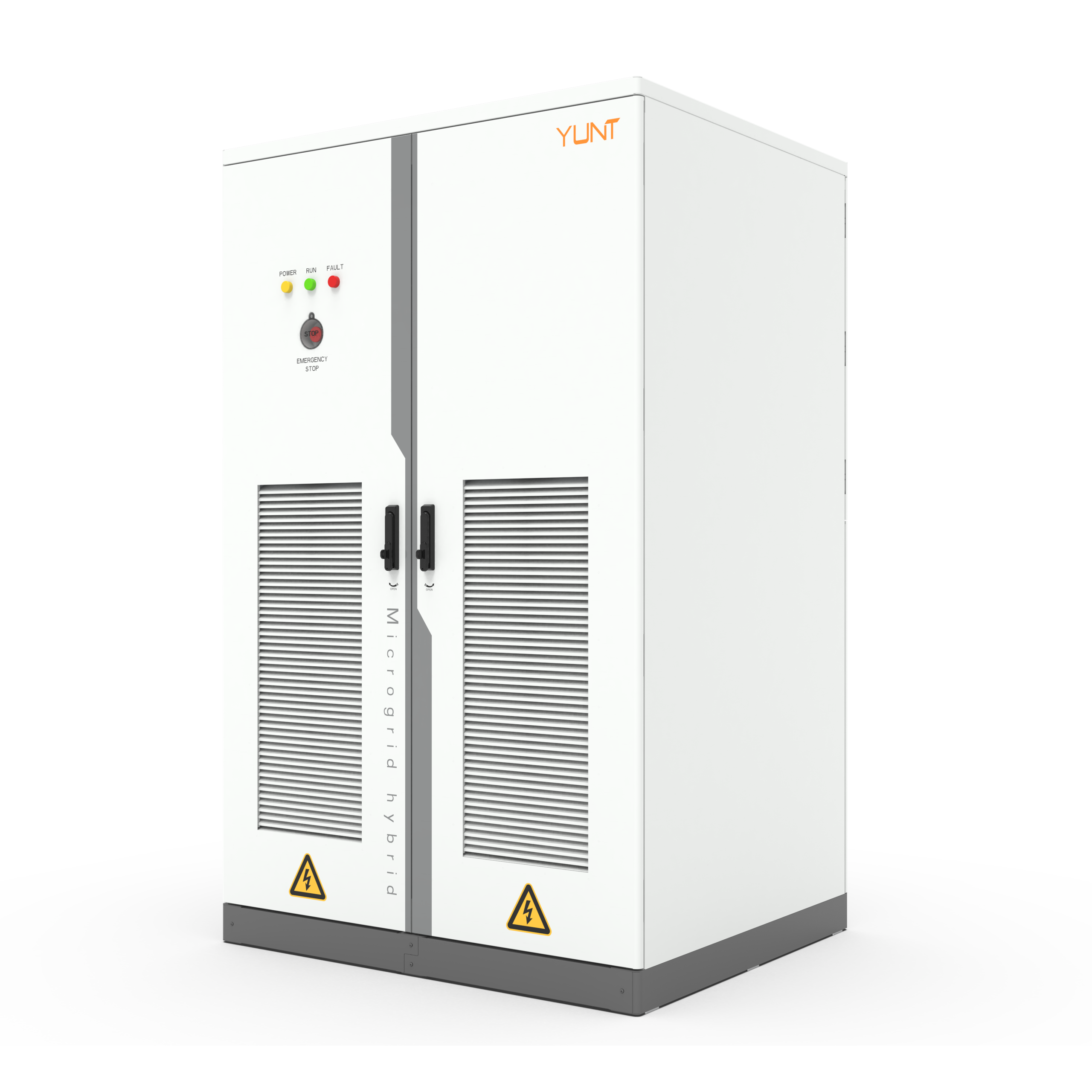
The official product page says that a hybrid power inverter can support self-consumption, grid-tied operation, and backup power during grid outages. It also presents an integrated design as a way to simplify installation, reduce system costs, and enhance energy efficiency for solar-plus-storage applications. These are page-level statements about the product category and application scope. They can guide a shortlist, but they should not be expanded into a claim about a particular model, site, load profile, or outcome.
The same discipline applies to supplier information. The page presents YUNT Hybrid Inverters for on-grid and off-grid operation and describes DC-to-AC conversion and energy management for microgrid systems. It also states that the company integrates research and development, manufacturing, sales, and support in its own factory. In a procurement record, these points can identify the supplier’s stated scope and organization. They do not replace project-specific engineering review.
Keep trade-offs visible
Shortlisting becomes clearer when each candidate has a visible trade-off record. One column can show the project requirement. A second can show the exact supporting statement. A third can describe the assumption that connects the two. A final column can record the consequence if that assumption changes.
This format prevents broad benefits from carrying more weight than they deserve. An integrated design may be relevant when installation simplicity is important, but it should not be treated as proof of a particular labor saving. A statement about on-grid and off-grid operation may be relevant to the operating concept, but it should not be treated as proof that every planned transition or control sequence is covered. Cause and effect should remain explicit: the requirement creates the question, the page supplies bounded evidence, and the unresolved interface remains visible.
Keep alternatives in the same frame. A conventional inverter may be considered when the project does not require the combined operating modes described for hybrid equipment. A hybrid option may be more relevant when the brief includes solar-plus-storage use and more than one operating mode. This is a screening distinction, not a final technical judgment. The decision record should explain which project assumption caused the comparison to favor one category.
Create a repeatable decision record
End the review with a concise record that another engineer can follow. State the intended application, the space assumption, the operating modes under consideration, and the evidence used for each point. Keep supplier statements separate from conclusions drawn by the project team. Record open questions in neutral terms, such as whether the proposed arrangement fits the intended interface and operating sequence.
A repeatable record also improves later procurement steps. If the project scope changes from grid-tied use to backup operation, the team can see which comparison entries must be revisited. If the installation space changes, the layout assumptions can be updated without rewriting the entire evaluation. This makes the shortlist more durable because its logic is visible rather than hidden in a final ranking.
For procurement, the useful conclusion is therefore limited but practical: compare the stated operating scope with the intended use, test space and interface assumptions separately, and preserve every trade-off in the decision record. YUNT can be named in that record as the supplier associated with the cited hybrid-inverter information, while the project team keeps its application conclusion tied to the evidence and assumptions it has actually reviewed.